“The birth of our second child is one, maybe two weeks away. The coming event looms over us, the way a big wave looms over a little boat; and our days are dimmed by its shadow. The future can exert this force upon us, can totally suck the juice out of the present, turning it into something tense, dry, useless to memory. How can we enjoy or profit from usch a transitional state? The practical answer is ‘Don’t sit and wait; prepare.’ The subtler answer is that no period in life is more or less transitional than any other, had we only the power to understand each.”
Robert Grudin, Time And The Art Of Living (Page 41)

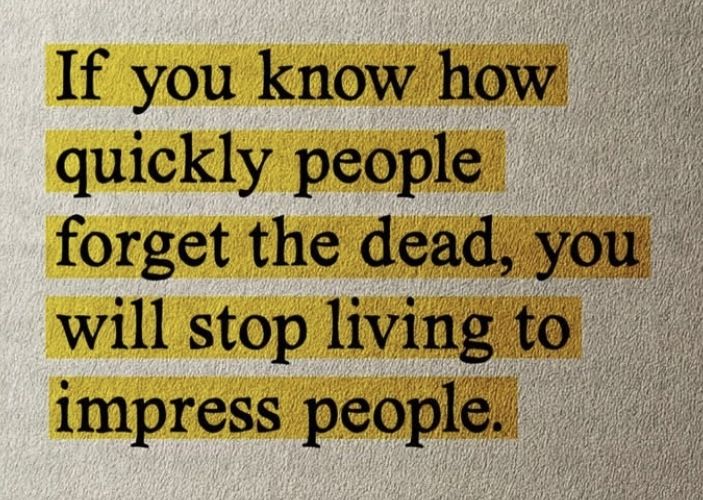

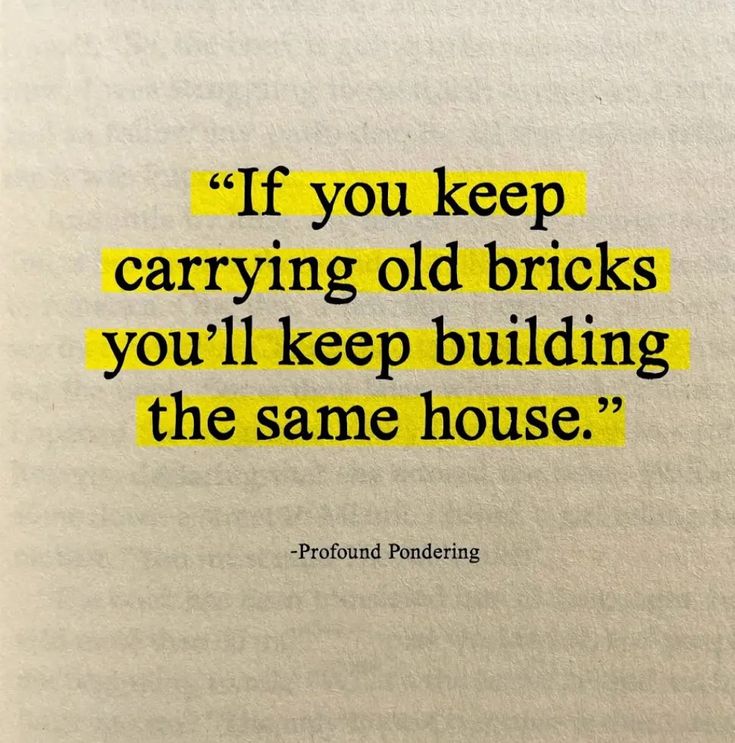
“The mind loves to jump to conclusions because it is more familiar with tension than with peace. If you want peace, you will ask for clear information instead of letting your mind run into half-truths and speculation. When you understand how empty thoughts are, they start to lose their power and control over your actions.”
Yung Pueblo
“To those of us who spend entire days, if not lifetimes, concentrating on a series of brief and insignificant things, the present has barely any meaning at all; we become tiny timorous things, caught in the inch of space between the ‘in’ box and the ‘out’ box. While we may share the common illusions about a mobile present and a free fuutre, we spend most of our lives housecleaning the past—maintaining commitments, counterbalancing errors, living up to expectations, mopping up our own postponements. In this sense, as in others, we shuffle backward into the future, unaware of our enslavement to time or of the simple freedom of new beginnings.”
Robert Grudin, Time And The Art Of Living (Page 39)
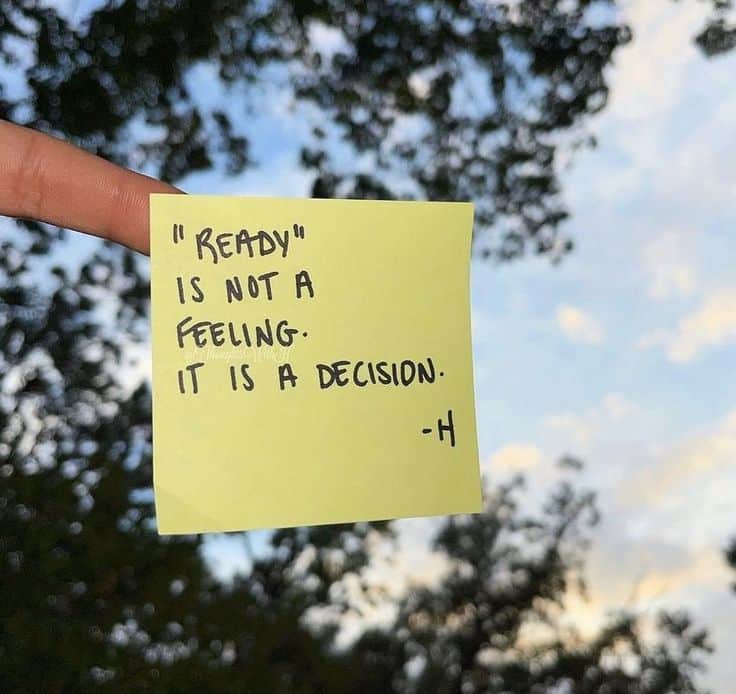
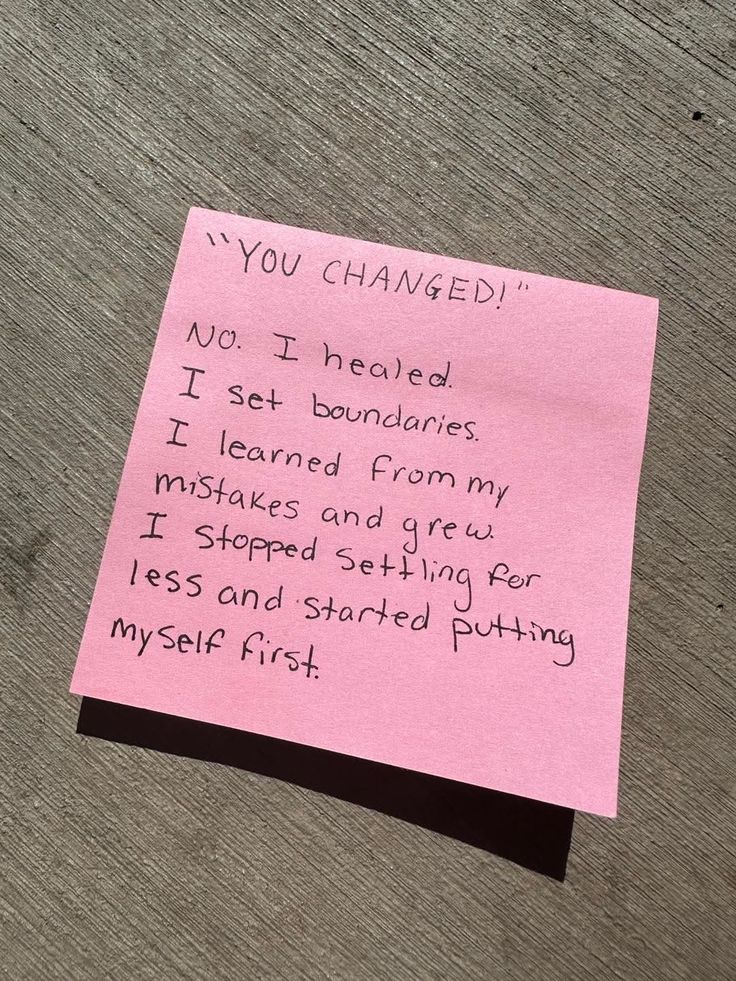

“Because we believe that one moment is more or less like the next, we lose touch with the essential urgency of the present, the fact that each passing moment is the one moment for the practice of freedom.”
Robert Grudin, Time And The Art Of Living (Page 38)

“You have a day to spare and wish to use it well. You see yourself in a kind of compartment of time whose immediate walls are last night’s and tonight’s sleep. Look beyond these walls and back at the present from imaginary mirrors placed in the past and the future. Think of the choices and events which brought you where you are; think of what you once wished or expected to have achieved by this point. Imagine what you will think of this period some time in the future. Will you think or do anything today that is worthy of future memory? Try to make the present memorable; or, failing this, review daily what is important about the present period in your life. In so doing you will enrich time.”
Robert Grudin, Time And The Art Of Living (Page 26)