
“There is no enlightened one. There is only the one who is seeking further enlightenment. Proper Being is process, not a state; a journey, not a destination. It’s the continual transformation of what you know, through encounter with what you don’t know, rather than the desperate clinging to the certainty that is eternally insufficient in any case. Always place your becoming above your current being. That means it is necessary to recognize and accept your insufficiency, so that it can be continually rectified. That’s painful, certainly—but, it’s a good deal.” ~ Jordan Peterson, 12 Rules for Life (Page 362)
Archives
Lynne Twist Quote on Feelings of Lack and Inadequacy (and How To Combat It)
“For me, and for many of us, our first waking thought of the day is ‘I didn’t get enough sleep.’ The next one is ‘I don’t have enough time.’ Whether true or not, that thought of not enough occurs to us automatically before we even think to question or examine it. We spend most of the hours and the days of our lives hearing, explaining, complaining, or worrying about what we don’t have enough of… We don’t have enough exercise. We don’t have enough work. We don’t have enough profits. We don’t have enough power. We don’t have enough wilderness. We don’t have enough weekends. Of course, we don’t have enough money—ever. We’re not thin enough, we’re not smart enough, we’re not pretty enough or fit enough or educated or successful enough, or rich enough—ever. Before we even sit up in bed, before our feet touch the floor, we’re already inadequate, already behind, already losing, already lacking something. And by the time we go to bed at night, our minds race with a litany of what we didn’t get, or didn’t get done, that day. We go to sleep burdened by those thoughts and wake up to the reverie of lack… What begins as a simple expression of the hurried life, or even the challenged life, grows into the great justification for an unfulfilled life.”
Lynne Twist, The Soul of Money
Beyond the Quote (92/365)
How do we combat chronic feelings of lack? By deploying chronic gratitude. It’s no secret that gratitude is a cornerstone piece of a fulfilled life. Gratitude is, in fact, what fills a person’s life. When we are grateful for our family, our family fills our lives; when we are grateful for our friends, our friends fill our lives; when we are thankful for food, water, shelter, clothes, health, etc., then those things fill our lives, too. Gratitude fills us up and the more gratitude we can deploy, the more fulfilled we will feel.
Read More »Lynne Twist Quote on Feelings of Lack and Inadequacy (and How To Combat It)Family First, Work Second. The Power of Family Values in Business [Excerpt]
![Family First, Work Second. The Power of Family Values in Business [Excerpt]](https://movemequotes.com/wp-content/uploads/2020/04/IMG_7016-930x620.jpg)
Excerpt: This is a story of a company who prioritized family first, work second into their business model. It’s an excerpt from the book, Do Nothing! Enjoy.
Read More »Family First, Work Second. The Power of Family Values in Business [Excerpt]
Jonathan Carroll Quote on Kindness in Small Gestures
“I firmly believe in small gestures: pay for their coffee, hold the door for strangers, over tip, smile or try to be kind even when you don’t feel like it, pay compliments, chase the kid’s runaway ball down the sidewalk and throw it back to him, try to be larger than you are— particularly when it’s difficult. People do notice, people appreciate. I appreciate it when it’s done to (for) me. Small gestures can be an effort, or actually go against our grain (“I’m not a big one for paying compliments…”), but the irony is that almost every time you make them, you feel better about yourself. For a moment life suddenly feels lighter, a bit more Gene Kelly dancing in the rain.”
Jonathan Carroll
Beyond the Quote (90/365)
Don’t let ideas of the grandiose stop you from acting in thoughtful, kind ways today. Don’t let your desire to change the whole world (or have a huge impact) stop you from doing anything at all for those who are already in your world. Brainstorming and coming up with master plans is great, but it should never be at the expense of those who surround you throughout your brainstorming process. Never underestimate the power of small gestures done in selfless, loving ways, for those gestures may prove to be the very foundation for so much else in your life.
Read More »Jonathan Carroll Quote on Kindness in Small GesturesHow To Find Your Path — 4 Questions You Should Obsess Over

Excerpt: Questions that matter shouldn’t be asked once—they should be obsessed over. Obsess over these four questions and learn how to find your path.
Read More »How To Find Your Path — 4 Questions You Should Obsess Over
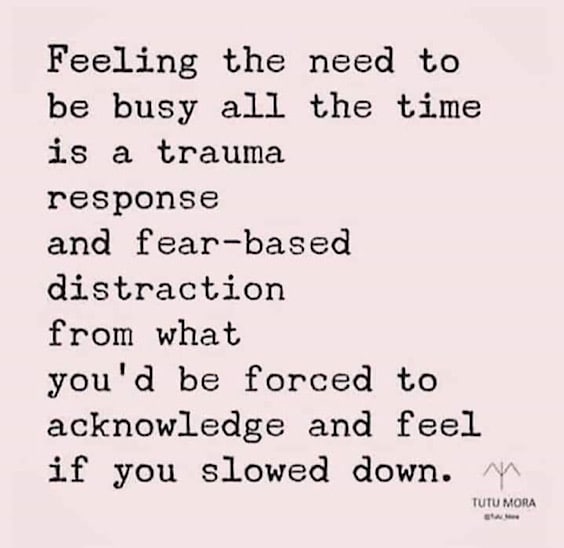
17 Humble the Poet Quotes about Comparing Yourself to Others (and How To Stop)

Excerpt: Comparison is a crutch. These 17 Humble the Poet quotes about comparing yourself to others will show you why (and how to stop).
Read More »17 Humble the Poet Quotes about Comparing Yourself to Others (and How To Stop)
Zen Parable on Grudges and Letting Things Go
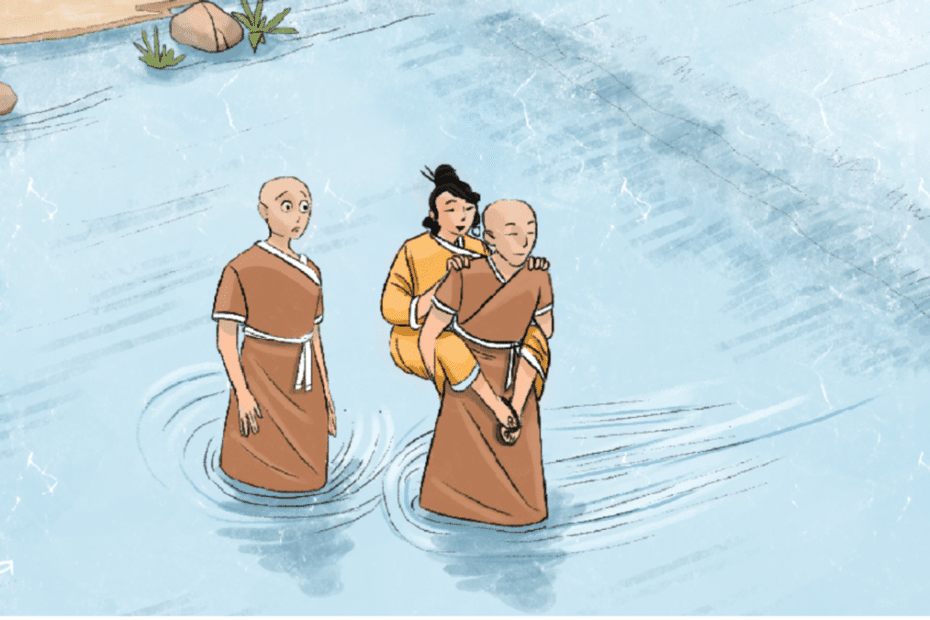
Excerpt: The following is a short story about a monk who carried a wealthy woman across muddy water. What he says to his upset disciple may shock you.
Read More »Zen Parable on Grudges and Letting Things Go
“With any loss comes gain. If things don’t work out my way, the consolation prize is a lesson I can keep close to me for the rest of my life. Those lessons encourage more self-awareness, which in turn strengthens my most important relationship—the one with myself.” ~ Humble the Poet, Things No One Else Can Teach Us (Page 273)
“Our progress is paved with mistakes, failures, and defeats, and it’s our resilience that keeps us keeping on. Every misstep is a teacher, and not all the things and people we lose in life end up being losses. Our obsession with winning can cost us much more than losing a healthy outlook when life doesn’t go our way. There’s always a lesson, a nugget of wisdom or a jewel waiting when things look like they won’t be going in our favor; we just have to be willing to pay attention and do some digging if need be. Once we remind ourselves to find opportunity in any situation, there is no loss, just learning. Failure isn’t the opposite of success, it’s a path to it.” ~ Humble the Poet, Things No One Else Can Teach Us (Page 268)
“Life is trial and error, and culture is a collection of some of our best practices handed down from generation to generation, but even they aren’t one-size-fits-all. We have to make our own mistakes to figure everything out. When we were kids, we had to bump into something before we stopped running in the house; we had to burn our hands before we stopped playing with the stove. And now, we gotta get our assess kicked a few dozen times before we get the hang of whatever the rest of this life is.” ~ Humble the Poet, Things No One Else Can Teach Us (Page 267)
“We aren’t victims of life—we are life. We have power over our efforts, which gives us power to adjust our sails depending on which way things are blowing. Self-pity serves as a barrier to those sails and sets us on a one-way path downward. Our problems may not be our fault, but they are definitely our responsibility, so ask yourself how well excessive self-pity and seeking pity help with that responsibility. The more we exercise our power to turn our days around, the more the tools to help us will find us.” ~ Humble the Poet, Things No One Else Can Teach Us (Page 261)
“Look into yourself and try to figure out the big stress that is magnetically attracting all the tiny stresses to feed your volcano. When we address the big ones, the small ones can slide off our shoulders instead of building up into something they don’t need to be. If something minor is setting you off more than normal, it may be a sign that the big one is not far behind. Find a quiet place, get comfortable, and ask the uncomfortable question: “What’s really bugging me?” Whatever it is, it’s important to be the archaeologist and start digging inward to discover what’s down there. You’ll quickly realize that problems have layers, and many of them don’t have other people’s names attached to them. This practice of digging deeper and peeling away layers is important as it’ll help us find the root of many of our problems—which is usually about fear.” ~ Humble the Poet, Things No One Else Can Teach Us (Page 252)
“Sometimes we’ll say small things to someone and they’ll lose their sh*t. It’s not because they’re crazy—it’s because whatever we said was the last straw. People walk around collecting moments of stress, and if left unaddressed, stress will pile up until they hit their limit, and then Kaboom! We’ve all had our own stories of hitting our breaking point and letting the wrong person have it. Those experiences, as unfortunate as they are, also allow us to find compassion when it happens to others.” ~ Humble the Poet, Things No One Else Can Teach Us (Page 225)
“Our problems aren’t always our fault, but they’re still our responsibility.” ~ Humble the Poet, Things No One Else Can Teach Us (Page 247)
“Your ultimate leverage is your craft. Stop taking meetings, stop networking, stop trying to cut corners, and get better at what you do. As you get better, your craft will be your leverage, and opportunities will find you. Devote more time to your craft and become irreplaceable.” ~ Humble the Poet, Things No One Else Can Teach Us (Page 241)