“If it makes you a worse person (parent, neighbor, writer, whatever), it’s not success. If starting a business makes you a worse person—if it stresses you out, if it tears your relationships apart, if it makes you bitter or frustrated with people—then it doesn’t matter how much money it makes or external praise it receives. It’s not successful.”
Ryan Holiday
“If I lived only for the major, newsworthy milestones, I’d be miserable. Instead, I focused on small wins and created an alternative way to measure success and happiness: know what you’re good at and what you like doing, and spend as much of your workday doing exactly that.”
Aytekin Tank, Automate Your Busywork (Page 168)
“Our definitions of ‘success’ are maybe the most common way we torture ourselves with arbitrary standards and made-up problems. It’s one reason I advise people to be careful and hold their goals lightly—because while goals may motivate you in the short run, a poorly defined version of success can really make you suffer in the long run.”
Mark Manson
“If two people have the same goal, you know nothing about the similarity of their results. But if two people have the same daily habits, you can infer quite a bit about the similarity of their results. Your results are largely a byproduct of your habits.”
James Clear, Blog
“‘If I am more successful, I’ll be happier, and people will love me more.’ I was trying to fill an internal emotional hole with external, material achievements. Ultimately, this kind of obsession is insatiable. The more you get, the more you want, all the time never quite scratching the itch. You end up with a mind consumed by what it doesn’t have and what it didn’t get, and in a spiraling inability to enjoy what it has.”
Will Smith, Will (Page 333)
“The thing about money, sex, and success is that when you don’t have them, you can justify your misery—shit, if I had money, sex, and success, I’d feel great! However misguided that may be, it psychologically permeates as hope. But once you are rich, famous, successful—and you’re still insecure and unhappy—the terrifying thought begins to lurk: Maybe the problem is me.”
Will Smith, Will (Page 151)
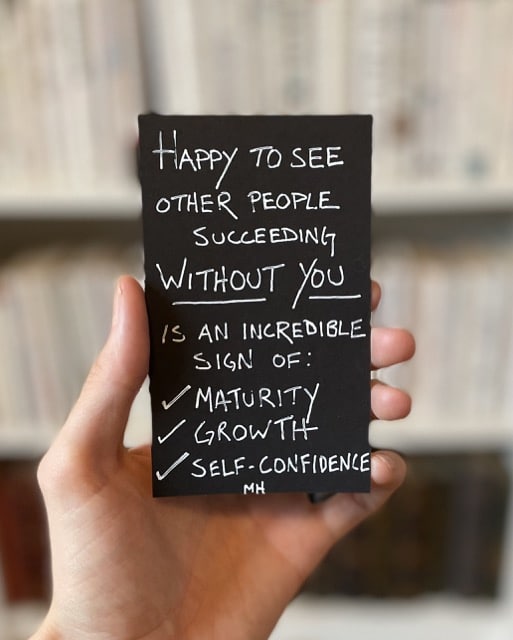
“We think that perfecting the outward version of ourselves that the world sees will bring us the inner peace we want. But Socrates and the Stoics knew it was the other way around. It’s the inner work that is more likely to bring us the outward success. And more importantly, that the inner work was an end unto itself.”
Ryan Holiday, Daily Stoic Blog
“Before I met you, I’m this, like, wildly insecure kid, and I think success and awards will absolve me of the pain of life. So I work so hard to get to that Snapshot, and because of my privilege and luck, I got to go into that Snapshot relatively early, and when it didn’t cure any of that stuff, it made me beyond depressed.”
Jonah Hill, Stutz
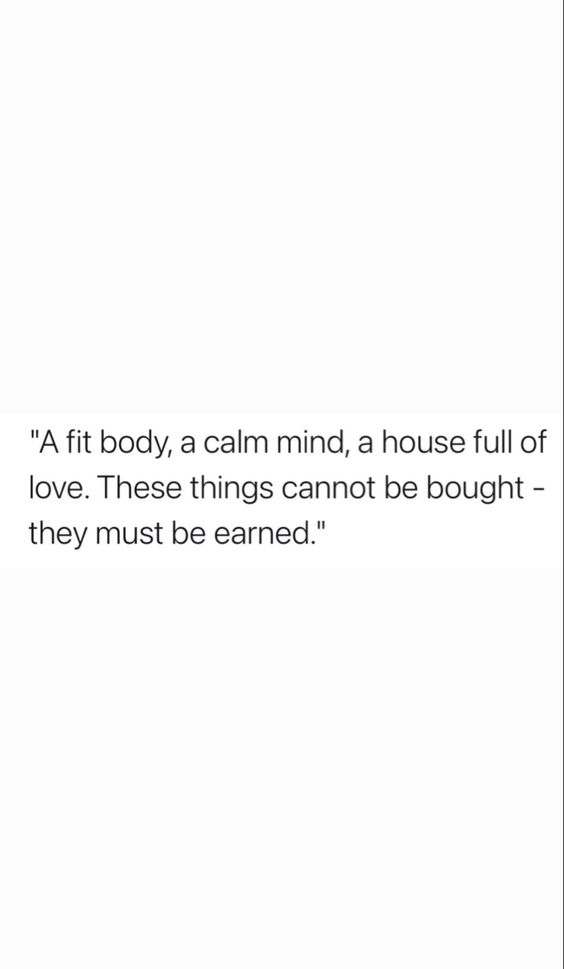
“Your calendar is a better measure of success than your bank account.”
James Clear, Blog
“We often think of big achievements as a ‘get out of life easier’ card. They rarely are that. In fact, the opposite tends to happen. They level us up, force us into greater responsibilities, to think more deeply about big issues, to question ourselves and what we previously knew to be true. Big achievements actually pressure us to become increasingly better versions of ourselves. This is a net positive for our lives but can be just as uncomfortable as struggling was, if not more so.”
Brianna Wiest, The Mountain Is You (Page 119)
“If we feel bad about not being as successful as another person, we might try to find something negative about them to make ourselves feel better. If we do that every time we come across a person who is more successful than we are, we begin to associate that level of success with being disliked. When it comes time for us to take action to move our lives forward, we’re going to resist doing it, because becoming more successful will create a breach in our self-concept.”
Brianna Wiest, The Mountain Is You (Page 45)
“One of the common trappings of success is overproducing. Companies make money and rapidly expand their product line. Authors become popular and churn out books at a faster clip. Scale can empower, but it can also dilute. Something is lost when quantity is valued over quality. You have to maintain your standards even when all the forces around you seem to be calling for growth. Push back against more, more, more and remain committed to better, better, better.”
James Clear, Blog
“One of the simplest ways to win is to always connect the small things you do to the larger thing you hope to accomplish. Five minutes can be spent working on something trivial or working on something life-changing. A brief session of work oriented toward a great cause is always time well spent. Most daily actions evaporate. Some accumulate.”
James Clear, Blog
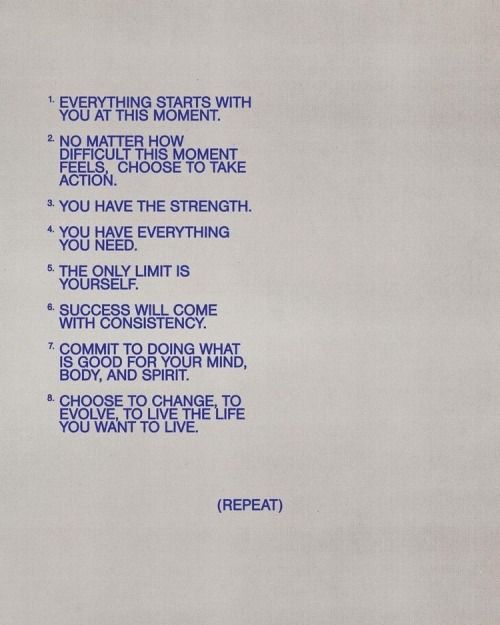
“So much of power is not what you do but what you do not do—the rash and foolish actions that you refrain from before they get you into trouble. Plan in detail before you act—do not let vague plans lead you into trouble. Unhappy endings are much more common that happy ones—do not be swayed by the happy ending in your mind.”
Robert Greene, The Daily Laws (Page 337)
“Never take it for granted that your past successes will continue in the future. Actually, your past successes are your biggest obstacle: every battle, every war, is different, and you cannot assume that what worked before will work today.”
Robert Greene, The Daily Laws (Page 335)
“To many, the word ‘success’ seems to be a paradise, but now that I’m in the midst of it, it is nothing but circumstances that seem to complicate my innate feeling toward simplicity and privacy.”
Bruce Lee, Striking Thoughts (Page 126)
“One of the most common narratives on the internet is that you have to ‘go all in’ and ‘have no backup plan’ in order to be successful. People will cite the success of Elon Musk, Jeff Bezos, and Steve Jobs to further drive home their point. But this is simply survivorship bias. Instead of looking at Musk, Bezos, and Jobs, ask yourself this question instead: ‘How many people have tried to do what these three did, and failed?’ If 3 out of a million make it, it’s probably not the right choice for you. Instead, think about how you can start small and don’t flush years of your productive time down the drain on one ‘big’ idea.”
Justin Welsh