“Love, which more than any other emotion exists in all four dimensions, is impossible without the gift of time. It cannot exist amid haste and confusion; or between people who parcel their affection into short periods. The most impassioned actions and assurances, when punctuated by days of coldness or distraction, are as puny in their own way as limp handshakes and pats on the head. We love only when we love across time, when love offered is love remembered and love promised.”
Robert Grudin, Time And The Art Of Living (Page 186)
“To love someone long-term is to attend a thousand funerals of the people they used to be. The people they’re too exhausted to be any longer. The people they don’t recognize inside themselves anymore. The people they grew out of, the people they never ended up growing into. We so badly want the people we love to get their spark back when it burns out; to become speedily found when they are lost. But it is not our job to hold anyone accountable to the people they used to be. It is our job to travel with them between each version and to honor what emerges along the way.”
Heidi Priebe, This Is Me Letting You Go
“Relationships are usually the most important thing. If you want to achieve more, there is some relationship that can unlock better results. If you want to make a meaningful contribution, helping others is a great way to do it. If you simply want to be a little happier, life is often more fun when shared with someone. Whatever you’re trying to accomplish, relationships are probably the key to getting there. Take this idea seriously and spend a little time thinking about which relationships you need to build or invest in.”
James Clear
“The greatest enemy of love is attachment. Why? Because it tries to disguise itself as love. There is a similarity between closeness and clinging that easily confuses the mind. A well- fed connection between two people can create a nurturing feeling of closeness while a fear of loss or craving to control creates the type of clinging that tries to grasp another person with tension. Closeness can foster a relationship, while clinging can stifle a relationship and drain it of love.”
Yung Pueblo
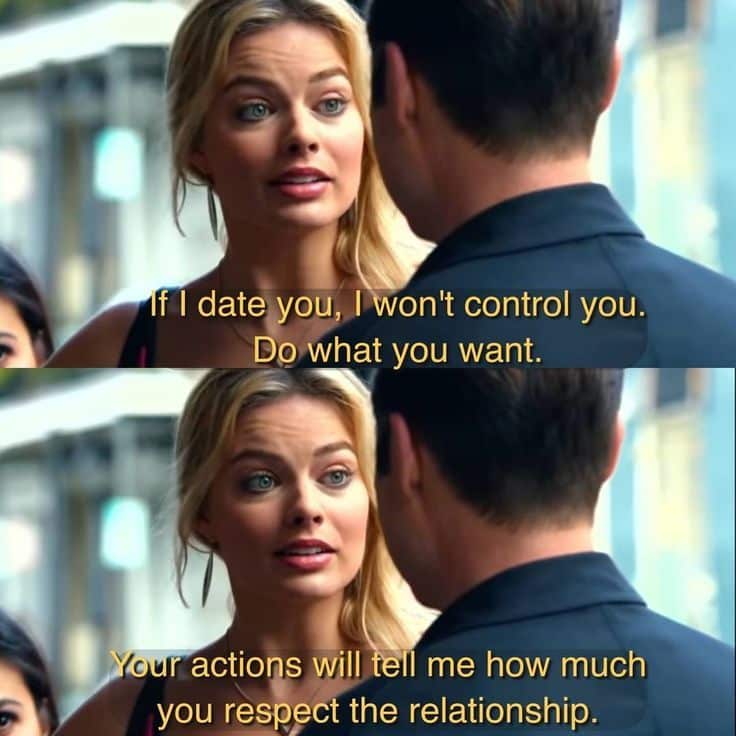
“Intentionally create a loving relationship between you and yourself. How you treat yourself can easily become how you treat your partner. Loving another person is greatly shaped by how strong your self-love is. The way you accept yourself, talking to yourself gently in your mind, not forcing yourself to be perfect, all the ways that you activate your self-love, will end up framing the shape of your relationship.”
Yung Pueblo
“The greatest enemy of love is attachment. Why? Because it tries to disguise itself as love. There is a similarity between closeness and clinging that easily confuses the mind. A well- fed connection between two people can create a nurturing feeling of closeness while a fear of loss or craving to control creates the type of clinging that tries to grasp another person with tension. Closeness can foster a relationship, while clinging can stifle a relationship and drain it of love. Attachment is at the root of behaviors that lead to relationships breaking. Love is meant to be grounded in freedom. Attachment is an opposing force to freedom; it tries to keep things the same, while freedom understands that change is ultimately good.”
Yung Pueblo



“Love does not fix everything, and it does not arrive with perfection. Love is simply a sign of how important someone is to you, but what comes after that is learning how to care for them. Care is not immediate; it requires gradual and intentional learning so that you can better understand the shape of your partner’s mind. Trying to understand where your partner is strong and where they are tender sets the groundwork to truly support their happiness. The same emotional skills that you develop as you take a good look at yourself during your inward journey are the same skills that help you with learning how to care for your partner.”
Yung Pueblo