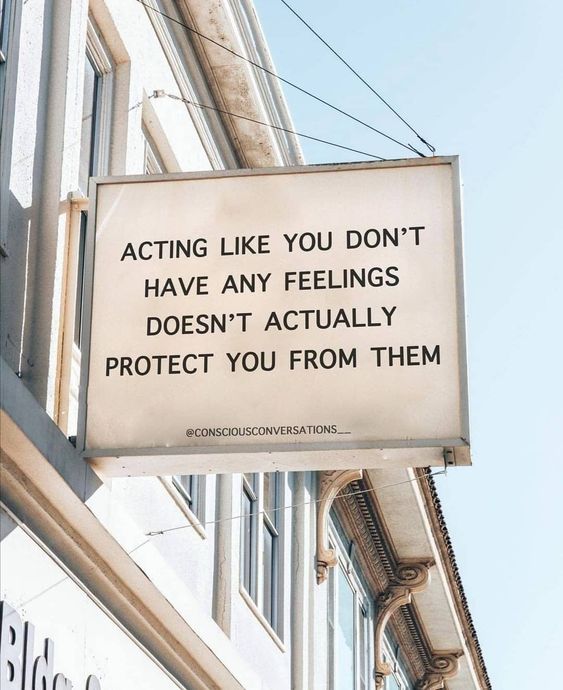
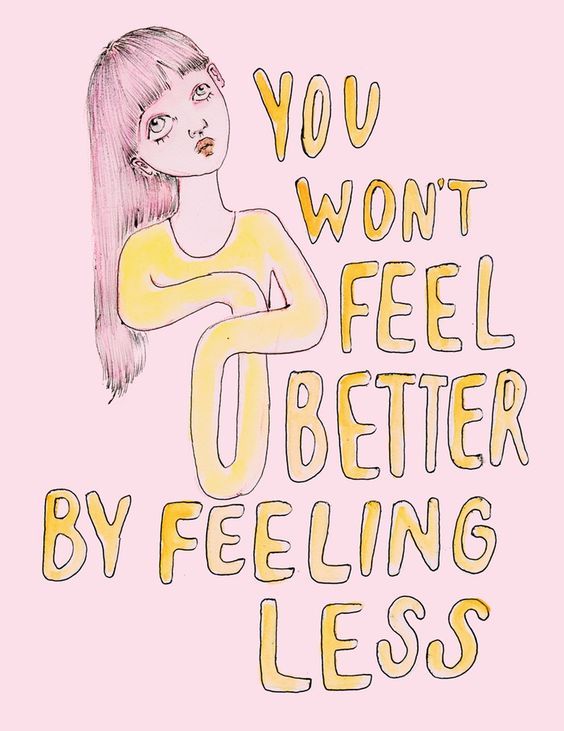
“The moment we find ourselves feeling bored, sad, anxious or complacent we reach for our phones, a prescription or a self-help book. We’ve become terrified of feeling anything negative. I’m not going to point a finger, but if someone held a gun to my head and told me to point a finger, I’d point to Instagram and Twitter and Facebook. I’d say we were due. I’d say that when you have an entire society overly focused on sharing the upper 1% of their days in a virtual world 24/7, we were bound to create some deep-rooted fears and insecurities around negative emotions. Now, we are forced to reap what we have sown.”
Cole Schafer (January Black), One Minute, Please? (Page 64)


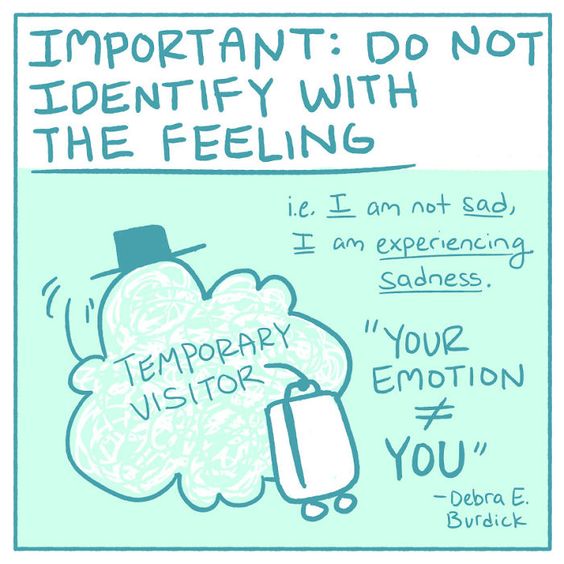
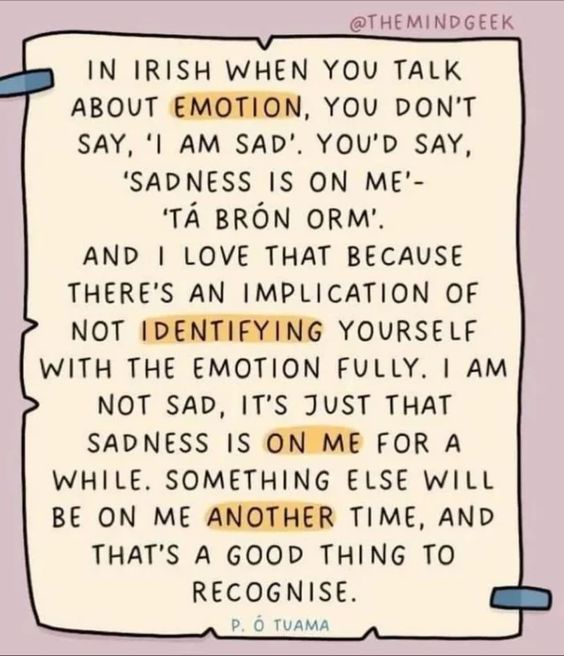
“Consider the difference between saying ‘I am sad’ and ‘I feel sad.’ Similar as those two statements may seem, there is actually a profound difference between them. ‘I am sad’ is a kind of self-definition, and a very limiting one. ‘I feel sad’ suggests the ability to recognize and acknowledge a feeling, without being consumed by it. The focusing skills that are part of mindsight make it possible to see what is inside, to accept it, and in the accepting to let it go, and, finally, to transform it.”
Daniel J. Siegel, Mindsight
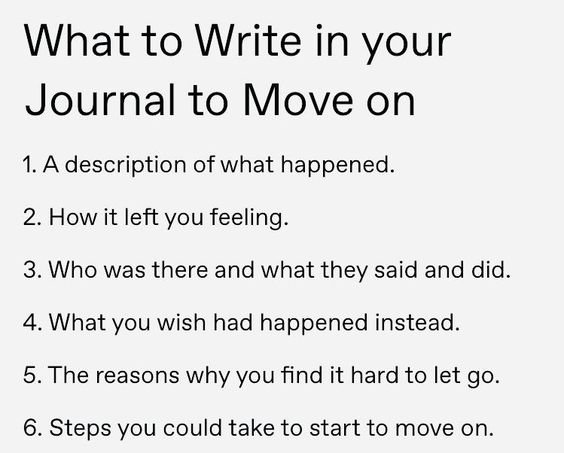
“Writing in a journal activates the narrator function of our minds. Studies have suggested that simply writing down our account of a challenging experience can lower physiological reactivity and increase our sense of well-being, even if we never show what we’ve written to anyone else.”
Daniel J. Siegel, Mindsight