“Sadness is ugly because of our rejection of it; it is not ugly in itself. Once you accept it, you will see how beautiful it is, how relaxing, how calm and quiet, how silent. It has something to give that happiness can never give. Sadness gives depth.”
Osho, Everyday Osho (Page 167)
“The wider the range of feelings we can regulate—if we can manage the frustration, disappointment, envy and sadness—the more space we have to cultivate happiness. Regulating our emotions essentially develops a cushion around those feelings, softening them and preventing them from consuming the entire jar. Regulation first, happiness second.”
Dr. Becky Kennedy
“Adults whose childhood were focused mainly on happiness, are not only unprepared for tough moments, they experience more discomfort in those tough moments because deep down, they think they’re doing something wrong if they can’t ‘find the happy’ and get themselves to a ‘better place.’”
Dr. Becky Kennedy
“Along the way, like everyone else, I must bear my burdens. But I do not intend to bear them graciously, nor in silence. I will take my sadness and as I can I will make it sing. In this way when others hear my song, they may resonate and respond out of the depths of their own feelings.”
Sheldon B. Kopp, If You Meet Buddha On The Road, Kill Him! (Page 214)
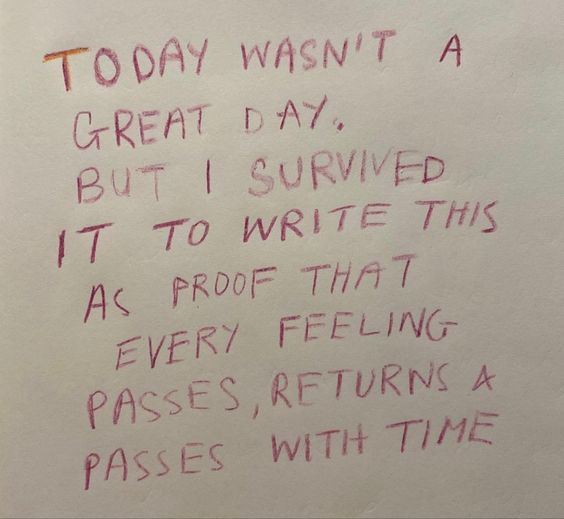
“I have come to recognize that the pain which I have and will continue to experience in coming to love myself will prove my greatest asset.”
Willo, via If You Meet Buddha On The Road, Kill Him! (Page 52)
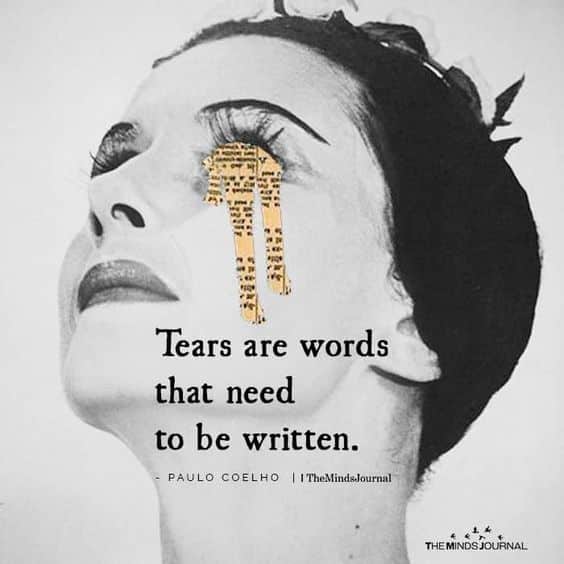
“This being human is a guest house. Every morning is a new arrival. A joy, a depression, a meanness, some momentary awareness comes as an unexpected visitor… Welcome and entertain them all. Treat each guest honorably. The dark though, the shame, the malice, meet them at the door laughing, and invite them in. Be grateful for whoever comes, because each has been sent as a guide from beyond.”
Rumi, via The Body Keeps The Score (Page 279)
“Desensitization to our own or to other people’s pain tends to lead to an overall blunting of emotional sensitivity.”
Bessel van der Kolk, The Body Keeps The Score (Page 224)
“Emotion is not opposed to reason; our emotions assign value to experiences and thus are the foundation of reason. Our self-experience is the product of the balance between our rational and our emotional brains. When these two systems are in balance, we ‘feel like ourselves.’ However, when our survival is at stake, these systems can function relatively independently.”
Bessel van der Kolk, The Body Keeps The Score (Page 64)
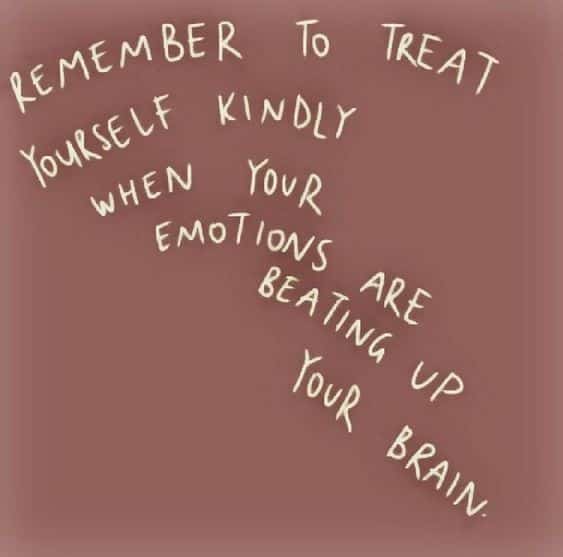
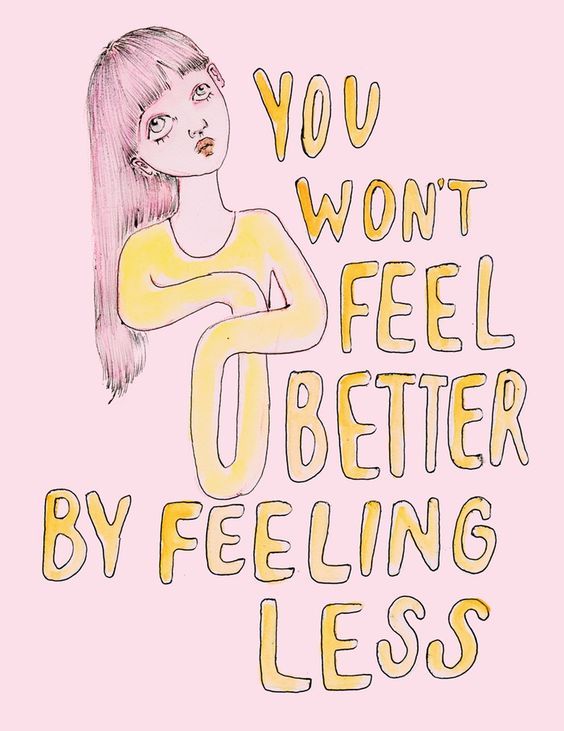
“The moment we find ourselves feeling bored, sad, anxious or complacent we reach for our phones, a prescription or a self-help book. We’ve become terrified of feeling anything negative. I’m not going to point a finger, but if someone held a gun to my head and told me to point a finger, I’d point to Instagram and Twitter and Facebook. I’d say we were due. I’d say that when you have an entire society overly focused on sharing the upper 1% of their days in a virtual world 24/7, we were bound to create some deep-rooted fears and insecurities around negative emotions. Now, we are forced to reap what we have sown.”
Cole Schafer (January Black), One Minute, Please? (Page 64)
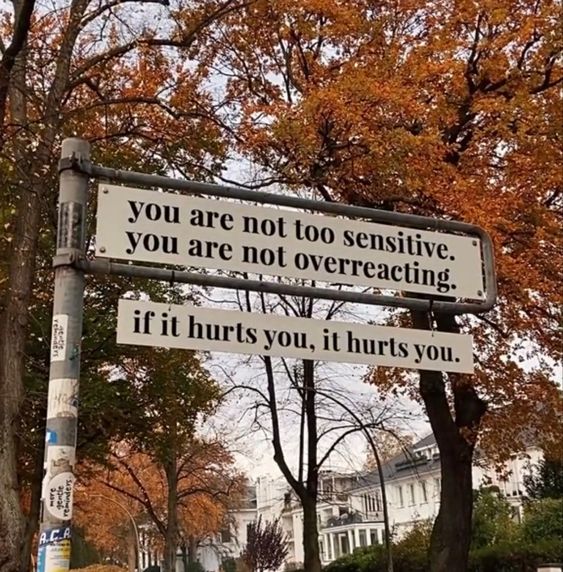
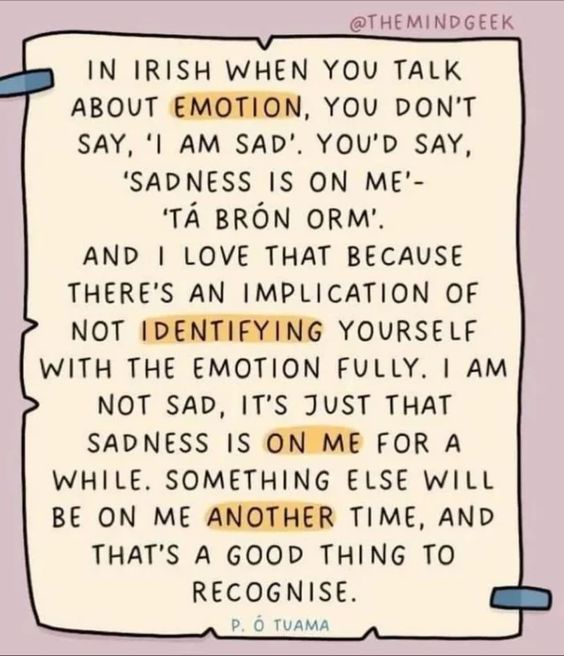
“Consider the difference between saying ‘I am sad’ and ‘I feel sad.’ Similar as those two statements may seem, there is actually a profound difference between them. ‘I am sad’ is a kind of self-definition, and a very limiting one. ‘I feel sad’ suggests the ability to recognize and acknowledge a feeling, without being consumed by it. The focusing skills that are part of mindsight make it possible to see what is inside, to accept it, and in the accepting to let it go, and, finally, to transform it.”
Daniel J. Siegel, Mindsight