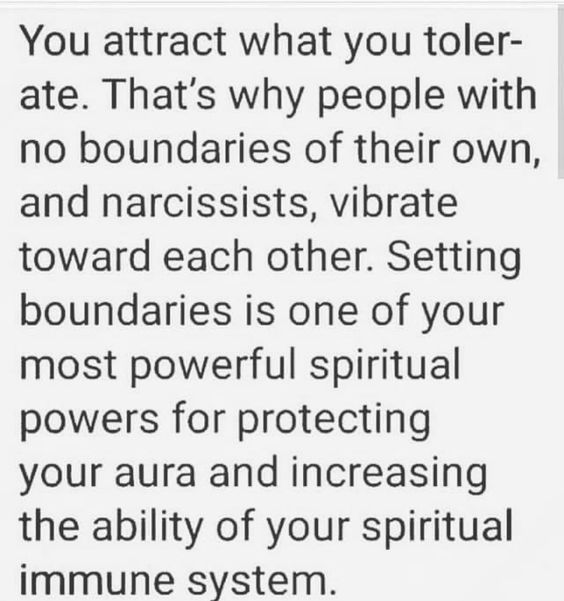
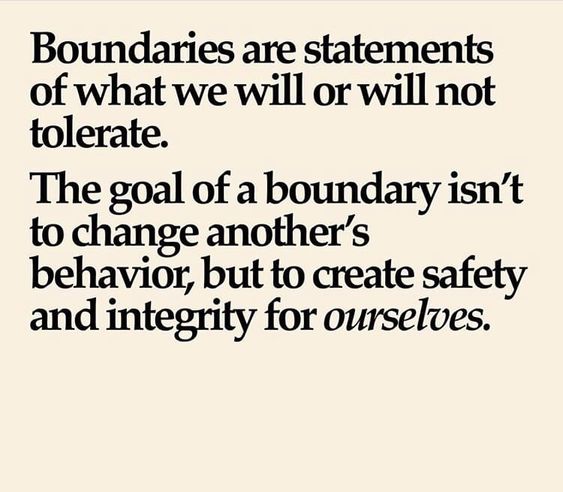
“Whoever it is that’s trying to siphon off your time and energies for their own purpose, the only solution is to put up fences. And not at the moment the quest is made—you need to put up your fences well in advance, clearly demarcating what’s off limits so you can head off time wasters and boundary pushers at the pass. Remember, forcing these people to solve their own problems is equally beneficial for you and for them.”
Greg McKeown, Essentialism (Page 169)
“When you say no, there is usually a short-term impact on the relationship. After all, when someone asks for something and doesn’t get it, his or her immediate reaction may be annoyance or disappointment or even anger. This downside is clear. The potential upside, however, is less obvious: when the initial annoyance or disappointment or anger wears off, the respect kicks in. When we push back effectively, it shows people that our time is highly valuable. It distinguishes the professional from the amateur.”
Greg McKeown, Essentialism (Page 138)

“Only once you give yourself permission to stop trying to do it all, to stop saying yes to everyone, can you make your highest contribution towards the things that really matter.”
Greg McKeown, Essentialism (Page 4)

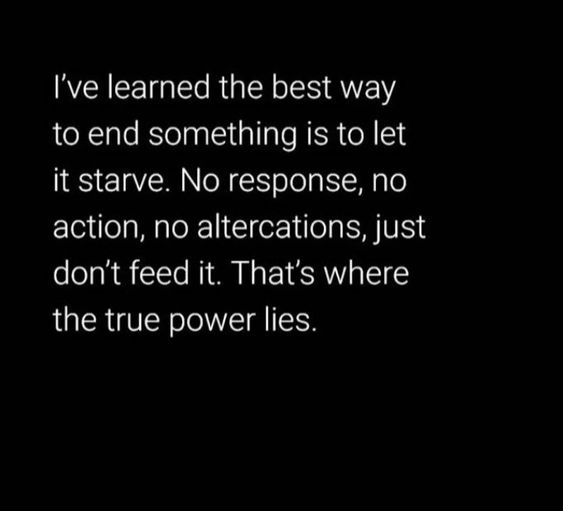

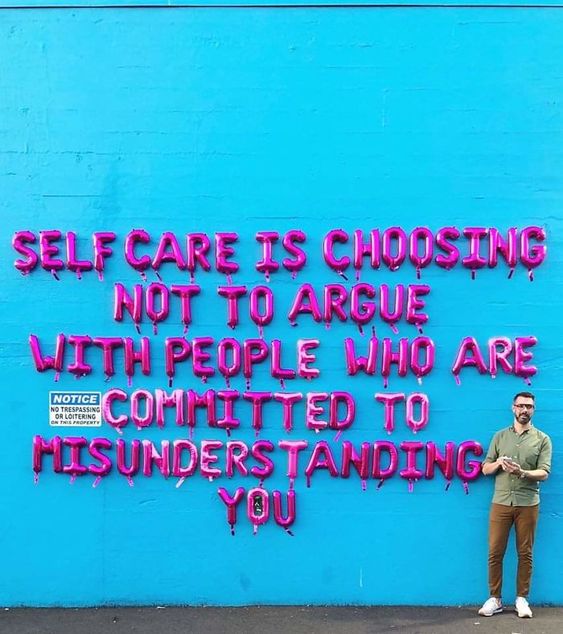
“In every relationship you have the opportunity to set the level of joy you expect and the level of pain you’ll accept. No relationship is perfect, but if joy never reaches a certain height, or holds to a low average, that won’t change unless you both put in a lot of work. The same is true for how much disappointment you’re willing to bear. Your connection may get a slow start—it can take a while to know each other—but if it never reaches a satisfying level, you need to decide whether to accept it or move on.”
Jay Shetty, Think Like A Monk (Page 251)
“It’s okay—necessary, in fact—to protect yourself from those in your family who aren’t good for you. We should have the same standards for our family as we do for everyone else, and if the relationship is fraught, we can love them and respect them from a distance while gathering the family we need from the wider world. This doesn’t mean we should neglect our families. But forgiveness and gratitude come more easily when we accept that we have friends and family, and we have friends that become family.”
Jay Shetty, Think Like A Monk (Page 229)