
“Being praised essentially means that one is receiving judgment from another person as ‘good.’ And the measure of what is good or bad about that act is that person’s yardstick. If receiving praise is what one is after, one will have no choice but to adapt to that person’s yardstick and put the brakes on one’s own freedom.”
Ichiro Kishimi, The Courage To Be Disliked
“YOUTH: Have you become free from all forms of competition?
PHILOSOPHER: Of course. I do not think about gaining status or honor, and I live my life as an outsider philosopher without any connection whatsoever to worldly competition.
YOUTH: Does that mean you dropped out of competition? That you somehow accepted defeat?
PHILOSOPHER: No. I withdrew from places that are preoccupied with winning and losing. When one is trying to be oneself, competition will inevitably get in the way.”
Ichiro Kishimi, The Courage To Be Disliked

“how to improve your life:
1. make self-love a top priority
2. learn a self-healing technique
3. create space for daily healing
4. know that everything changes
5. be kind, loving, and honest to all”
Yung Pueblo, Inward (Page 172)
“We see the visible signs of opportunity and success in our own lives but we are grasping at an illusion. What really allows for such dramatic changes are the things that occur inside a person. That slow accumulation of knowledge and skills, the incremental improvements in work habits, and the ability to withstand criticism. Any change in people’s fortunes is merely the visible manifestation of all of that deep preparation over time.”
Robert Greene, The Daily Laws (Page 37)
“Those who know the rules of true wisdom are baser than those who love them. Those who love them are baser than those who follow them.”
Chinese Proverb, via A Calendar of Wisdom (Page 15)
“If real self-improvement is what we’re after, why do we leave our reading until those few minutes before we shut off the lights and go to bed? Why do we block off eight to ten hours in the middle of the day to be at the office or to go to meetings but block out no time for thinking about the big questions? The average person somehow manages to squeeze in twenty-eight hours of television per week—but ask them if they had time to study philosophy, and they will probably tell you they’re too busy.”
Ryan Holiday, The Daily Stoic (Page 323)
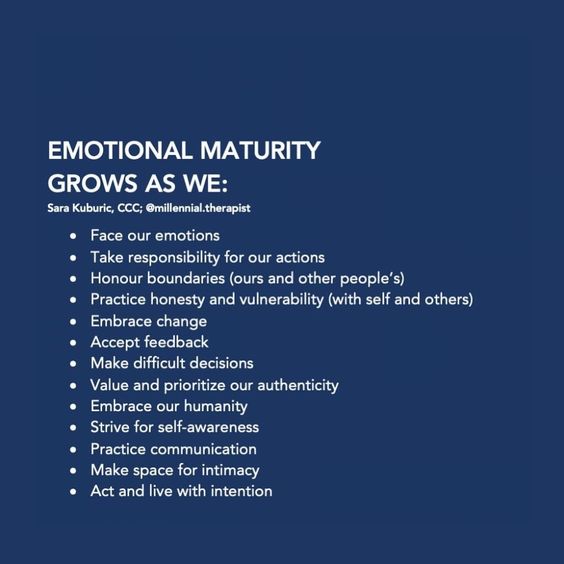
“Outward transformation—in our clothes, in our cars, in our grooming—might feel important but is superficial compared with the inward change.”
Ryan Holiday, The Daily Stoic (Page 249)
“People always wonder if they’re too old to do XYZ. It has been said that every 7 years, each cell in your body has been entirely replaced. Biology is my worst subject, so that could be wrong. But 7 is a magic number. It takes approximately 7 years to get 10,000 hours in to something. In any period of 7 years, I guarantee anyone you know will look back and say “Boy did I change.” It is never too late to 100% reinvent yourself. 21 to 28 still leaves most of your life. 42 to 49 still leaves nearly half of your life. Between 21 and 49 you will have lived 4 lives. That’s mastery in 4 different fields in the prime of your life. That’s important.”
Jordan Allen, Quora
“What we practice, we become. What’s true of playing the piano or throwing a ball also holds for our capacity to move through the world mindlessly and destructively or generously and gracefully. I’ve come to think of virtues and rituals as spiritual technologies for being our best selves in flesh and blood, time and space.”
Krista Tippett, Becoming Wise (Page 9)