

“The human mind is naturally creative, constantly looking to make associations and connections between things and ideas. It wants to explore, to discover new aspects of the world, and to invent. To express this creative force is our greatest desire, and the stifling of it is the source of our misery. What kills the creative force is not age or a lack of talent, but our own spirit, our own attitude. We become too comfortable with the knowledge we have gained in our apprenticeships. We grow afraid of entertaining new ideas and the effort that this requires. To think more flexibly entails a risk—we could fail and be ridiculed. We prefer to live with familiar ideas and habits of thinking, but we pay a steep price for this: our minds go dead from the lack of challenge and novelty; we reach a limit in our field and lose control over our fate because we become replaceable.” ~ Robert Greene, Mastery
“Masters manage to blend the two—discipline and a childlike spirit—together into what we shall call the Dimensional Mind. Such a mind is not constricted by limited experience or habits. It can branch out into all directions and make deep contact with reality. It can explore more dimensions of the world. The Conventional Mind is passive—it consumes information and regurgitates it in familiar forms. The Dimensional Mind is active, transforming everything it digests into something new and original, creating instead of consuming.” ~ Robert Greene, Mastery


14 Mindfulness Trainings From Thich Nhat Hanh To Help You Live More Mindfully
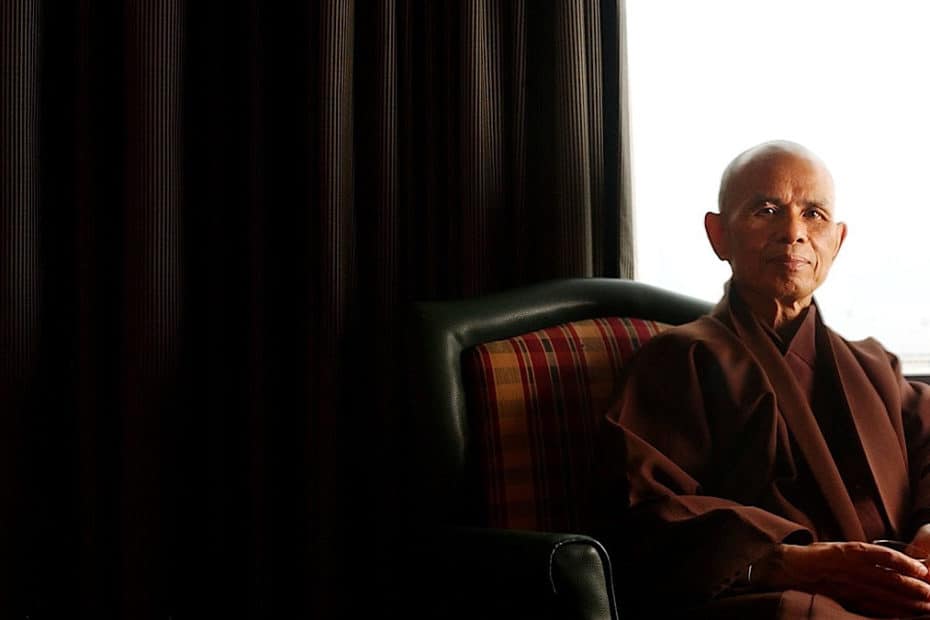
Excerpt: Composed by Thich Nhat Hanh in the mid-1960s at a time of war, these mindfulness trainings were formulated to advance peace and compassion.
Read More »14 Mindfulness Trainings From Thich Nhat Hanh To Help You Live More Mindfully
“Self-discipline is a form of freedom. Freedom from laziness and lethargy, freedom from the expectations and demands of others, freedom from weakness and fear and doubt. Self-discipline allows a pitcher to feel his individuality, his inner strength, his talent. He is the master of, rather than a slave to, his thoughts and emotions.” ~ Harvey Dorfman


“Problems may be inevitable, but the meaning of each problem is not. We get to control what our problems mean based on how we choose to think about them, the standard by which we choose to measure them.” ~ Mark Mason, The Subtle Art of Not Giving a F*ck


“Like your private bedroom, your writing room should be private, a place where you go to dream. Your schedule — in at about the same time every day, out when your thousand words are on paper or disk — exists in order to habituate yourself, to make yourself ready to dream just as you make yourself ready to sleep by going to bed at roughly the same time each night and following the same ritual as you go. In both writing and sleeping, we learn to be physically still at the same time we are encouraging our minds to unlock from the humdrum rational thinking of our daytime lives. And as your mind and body grow accustomed to a certain amount of sleep each night —six hours, seven, maybe the recommended eight — so can you train your waking mind to sleep creatively and work out the vividly imagined waking dreams which are successful works of fiction.” ~ Stephen King, via Daily Rituals
Be thankful for it all.

Picture Quote Text:
“I’m thankful for all of it. The highs. The lows. The blessings. The lessons. The setbacks. The comebacks. The love. The hate. Everything.”