“We tend to be most rigid in our identities in areas that we’ve been hurt the most. People who grow up in poverty tend to have the most inflexible views on money and wealth. People who grow up unattractive tend to have the most rigid views about appearance. These rigid views about ourselves and the world helped us survive at one point, but when held onto for too long, they eventually hold us back.”
Mark Manson
“Our definitions of ‘success’ are maybe the most common way we torture ourselves with arbitrary standards and made-up problems. It’s one reason I advise people to be careful and hold their goals lightly—because while goals may motivate you in the short run, a poorly defined version of success can really make you suffer in the long run.”
Mark Manson
“It’s sharing our own personal pain that allows us to move beyond it. Because it’s one thing to just sit and intellectualize our problems to ourselves. But once we share and mold that meaning out in the world around us, our pain becomes something outside of us. And because it’s now outside of us, we are finally able to live without it.”
Mark Manson, Blog
“All those inspirational quotes with cheesy sunsets about enduring adversity and “what doesn’t kill you makes you stronger,” they all kind of mislead you into thinking that just enduring some form of hardship is enough to steel yourself against future hardship. That’s not entirely true. It’s what comes after the trauma that really matters. It’s not the survival of trauma that makes you stronger, it’s the work you put in as a result of the trauma that makes you stronger.”
Mark Manson, Blog
“If you set a boundary with someone and they leave. That’s good. The boundary worked. The point of boundaries isn’t to “fix” relationships. It’s to protect your mental and emotional health from toxic relationships. Sometimes that happens by healing the relationship. Other times that happens by losing the relationship.”
Mark Manson
“The optimal amount of most “bad” things in life is usually greater than zero: A little bit of selfishness is better than none (it helps you care for yourself); A little bit of anxiety is often better than none (it shows it matters); A little bit of self-doubt is definitely better than none (see: Kanye).”
Mark Manson, The Breakthrough
“Shame is past-obsessed. One way of overcoming shame is to become future-obsessed. Stop focusing on what’s broken. Instead, focus on what can be built. For one week, focus on what you can add to your life: a new hobby, a new friend, a new skill. Then go make an effort to add it.”
Mark Manson, The Breakthrough
Will [Book]
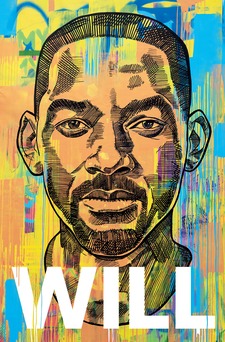
Book Overview: Will Smith’s transformation from a West Philadelphia kid to one of the biggest rap stars of his era, and then one of the biggest movie stars in Hollywood history, is an epic tale—but it’s only half the story. Will is the story of how one person mastered his own emotions, written in a way that can help everyone else do the same. Few of us will know the pressure of performing on the world’s biggest stages for the highest of stakes, but we can all understand that the fuel that works for one stage of our journey might have to be changed if we want to make it all the way home. The combination of genuine wisdom of universal value and a life story that is preposterously entertaining, even astonishing, puts Will the book, like its author, in a category by itself.
Post(s) Inspired by this Book:
34 Will Smith Quotes from Will on Hustle, Happiness, and Love
“Who you choose to spend time with likely has a greater long-term impact on your health, wealth, and happiness than almost any other decision you make. Yet, most people will put more conscious thought into the color of their smartphone case.”
Mark Manson, The Breakthrough
“Relationships are the multipliers of life. Good relationships make other good things even better. Bad relationships make other bad things even worse.”
Mark Manson, The Breakthrough
“Like sympathy, compassion begins with feeling bad for someone. But instead of simply wanting the person’s suffering to go away, compassion involves someone who is willing to suffer alongside that person so that they may overcome their challenges. Sympathy is sending flowers and a card to a friend when a parent dies. Compassion is driving to their house and holding them as they cry. Sympathy is letting a screaming child have that toy they want so they’ll stop screaming. Compassion is letting them cry because you know they will be better off once they understand that they can’t always get what they want. Sympathy is changing your profile picture on social media for whatever the new cause du jour is. Compassion is actually giving time or money to victims, listening to their stories, helping them rebuild their lives.”
Mark Manson
“The human mind is not fragile—it does not need to be protected and cushioned from the hard surfaces of reality like a vase or piece of fine china. The human mind is antifragile—that is, it gains from discomfort and strain. That means to grow stronger, the human mind needs to regularly be confronted with difficult and upsetting experiences to develop stability and serenity for itself.”
Mark Manson