“Yes, there is more than one path to the top of the mountain. But the only one that will get you there is your own. Do not look longingly at the paths of others. Give yours your undivided attention and keep your focus. The farther you go on your own path, the more you will understand every other path. At the end, they all converge.”
Philip Toshio Sudo, Zen Guitar (Page 93)
“Fast drivers can see no further than slow drivers, but they must look further down the road to time their reactions safely. Similarly, people with great projects afoot habitually look further and more clearly into the future than people who are mired in day-to-day concerns. these former control the future because by necessity they must project themselves into it; and the upshot is that, like ambitious settlers, they stake out larger plots and homesteads of time than the rest of us. They do not easily grow sad or old; they are seldom intimidated by the alarms and confusions of the present because they have something greater of their own, some sense of their large and coherent motion in time, to compare the present with.”
Robert Grudin, Time And The Art Of Living (Page 2)
“We teach that purpose doesn’t come from the gods but from ourselves. That the gods can show us good resources and good ideas, but the work and the choice—especially the choice—is our own. Deciding on your purpose is one of the most valuable things there is. ‘And that purpose can change, yes?’ ‘Absolutely. You’re never stuck.'”
Becky Chambers, A Psalm For The Wild-Built (Page 136)
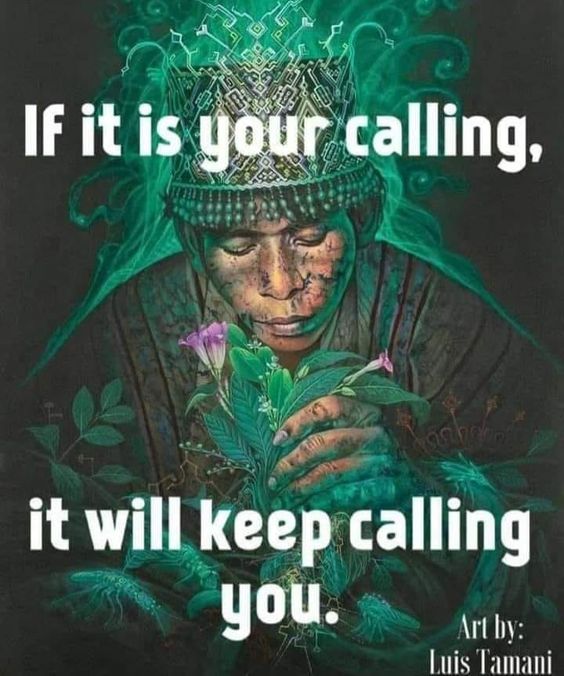
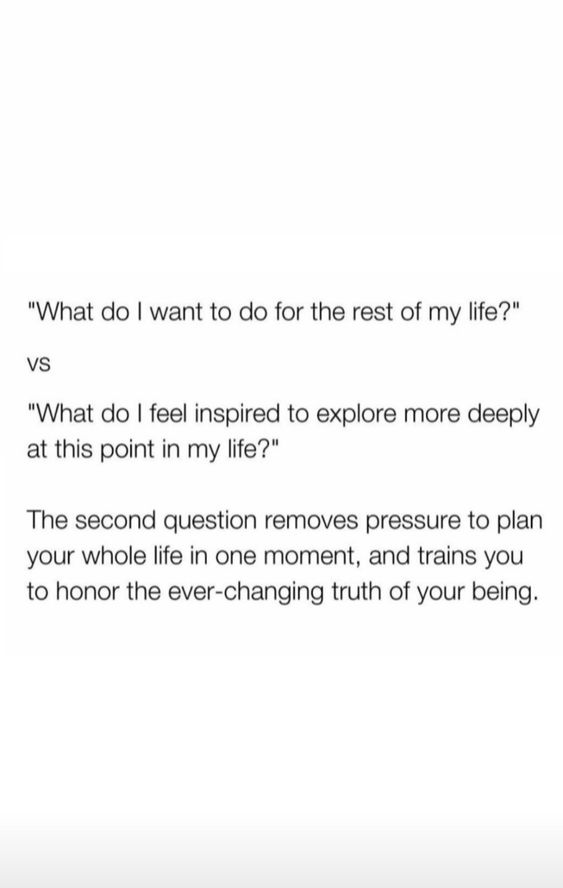
“There are two very clear indications of real science and real art: the first inner sign is that a scholar or an artist works not for profit, but for sacrifice, for his calling; the second, outer sign is that his works are understandable to all people. Real science studies and makes accessible that knowledge which people at that period of history think important, and real art transfers this truth from the domain of knowledge to the domain of feelings.”
Leo Tolstoy, A Calendar of Wisdom (Page 196)
“No calling is superior to another. What matters is that it be tied to a personal need and inclination, and that your energy moves you toward improvement and continuous learning from experience.”
Robert Greene, The Daily Laws (Page 28)
“Your Life’s Task does not always appear to you through some grand or promising inclination. It can appear in the guise of your deficiencies, making you focus on the one or two things that you are inevitably good at. Working at these skills, you learn the value of discipline and see the rewards you get from your efforts. Like a lotus flower, your skills will expand outward from a center of strength and confidence.”
Robert Greene, The Daily Laws (Page 24)
“This can be the source of your unhappiness—your lack of connection to who you are and what makes you unique. The first move toward mastery is always inward—learning who you really are and reconnecting with that innate force. Knowing it with clarity, you will find your way to the proper career path and everything else will fall into place. It is never too late to start this process.”
Robert Greene, The Daily Laws (Page 13)
“This is the true joy in life, the being used up for a purpose recognized by yourself as a mighty one; being a force of nature instead of a feverish, selfish little clod of ailments and grievances, complaining that the world will not devote itself to making you happy. I am of the opinion that my life belongs to the community, and as long as I live, it is my privilege to do for it whatever I can. I want to be thoroughly used up when I die, for the harder I work, the more I live. Life is no ‘brief candle’ for me. It is a sort of splendid torch which I have got hold of for a moment, and I want to make it burn as brightly as possible before handing it on to future generations.”
George Bernard Shaw, via Sunbeams (Page 140)
“Work is love made visible. And if you cannot work with love but only with distaste, it is better that you should leave your work and sit at the gate of the temple and take alms of those who work with joy. For if you bake bread with indifference, you bake a bitter bread that feeds but half man’s hunger.”
Kahlil Gibran, The Prophet, via Sunbeams (Page 119)
28 Robert Greene Quotes from Mastery To Guide You Towards Your Higher Calling
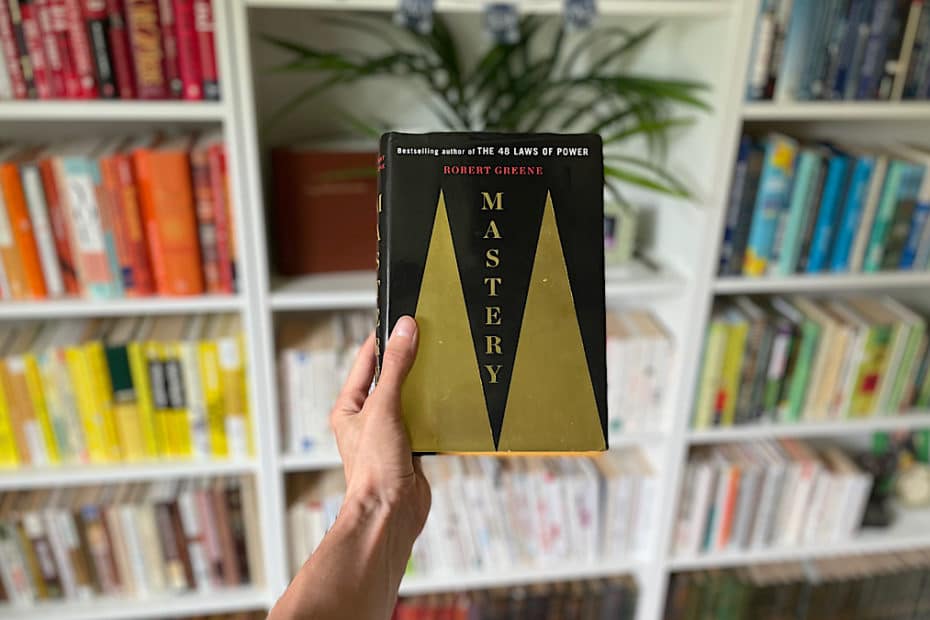
Excerpt: These 28 quotes from Mastery will help you learn how to discovery your calling, unlock the passion within, and absorb the master’s power.
Read More »28 Robert Greene Quotes from Mastery To Guide You Towards Your Higher Calling
12 Cal Newport Quotes from ‘So Good They Can’t Ignore You’
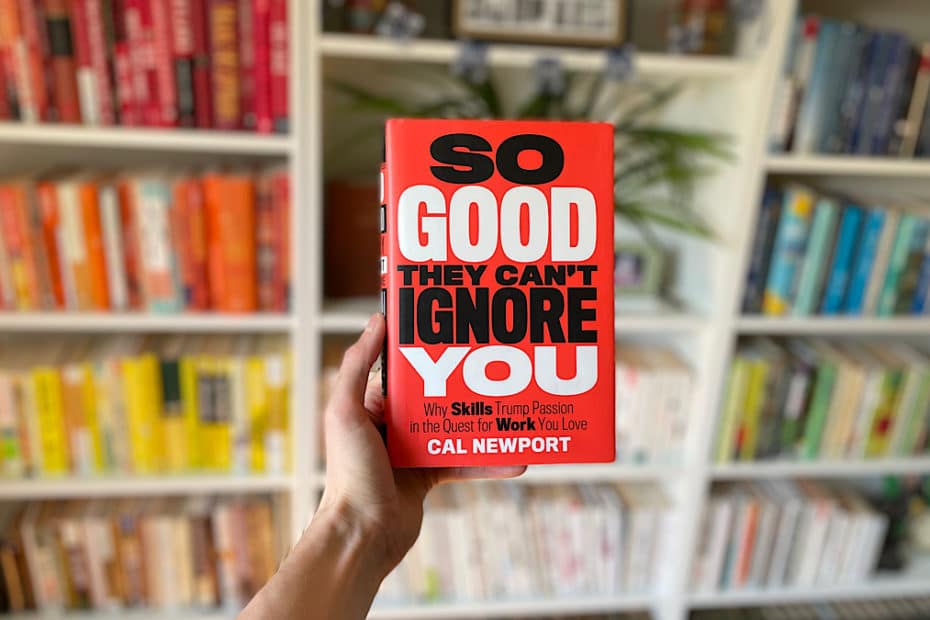
Excerpt: Follow your passion is bad advice. Read these powerful Cal Newport quotes from ‘So Good They Can’t Ignore You’ and find out why…
Read More »12 Cal Newport Quotes from ‘So Good They Can’t Ignore You’
“Why do some people enjoy their work while so many other people don’t? Here’s the CliffsNotes summary of the social science research in this area: There are many complex reasons for workplace satisfaction, but the reductive notion of matching your job to a pre-existing passion is not among them.”
Cal Newport, So Good They Can’t Ignore You (Page 14)
“Don’t follow your passion; rather, let it follow you in your quest to become, in the words of my favorite Steve Martin quote, ‘so good that they can’t ignore you.'”
Cal Newport, So Good They Can’t Ignore You (Page xx)
29 Must-Read Seth Godin Quotes from The Practice For All Creators
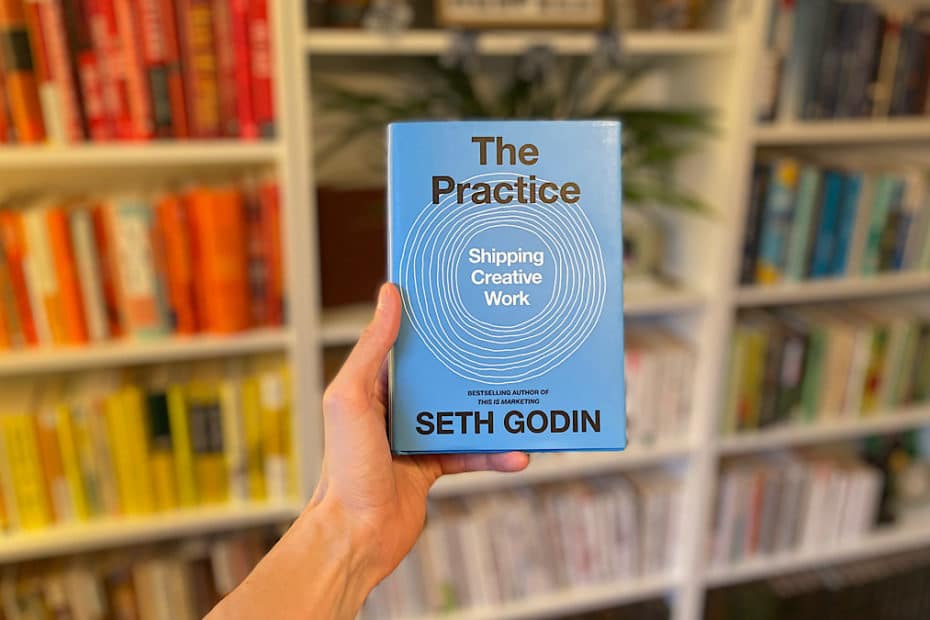
Excerpt: If you’re a creator of any kind (current or future) this list of quotes from The Practice should be required reading—they’re THAT good.
Read More »29 Must-Read Seth Godin Quotes from The Practice For All Creators
“It is better to follow your own path, however imperfectly, than to follow someone else’s perfectly.”
The Bhagavad-Gita, via The Practice (Page 8)
The Practice: Shipping Creative Work [Book]
Book Overview: Creative work doesn’t come with a guarantee. But there is a pattern to who succeeds and who doesn’t. And engaging in the consistent practice of its pursuit is the best way forward. Based on the breakthrough Akimbo workshop pioneered by legendary author Seth Godin, The Practice will help you get unstuck and find the courage to make and share creative work. Godin insists that writer’s block is a myth, that consistency is far more important than authenticity, and that experiencing the imposter syndrome is a sign that you’re a well-adjusted human. Most of all, he shows you what it takes to turn your passion from a private distraction to a productive contribution, the one you’ve been seeking to share all along. With this book as your guide, you’ll learn to dance with your fear. To take the risks worth taking. And to embrace the empathy required to make work that contributes with authenticity and joy.
Post(s) Inspired by This Book:
18 Quest Inspiring Chris Guillebeau Quotes From The Happiness Of Pursuit
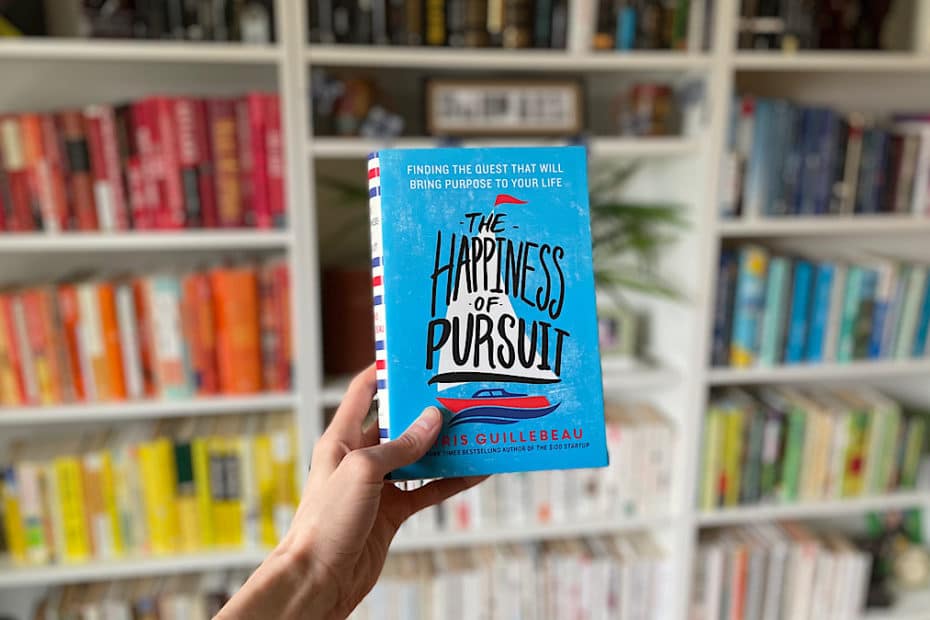
Excerpt: Anyone can bring meaning into his or her life by undertaking a quest. Don’t believe it? Read these 18 quotes from The Happiness of Pursuit and find out for yourself.
Read More »18 Quest Inspiring Chris Guillebeau Quotes From The Happiness Of Pursuit
“Find what troubles you about the world, then fix it for the rest of us.”
Chris Guillebeau, The Happiness of Pursuit (Page 179)