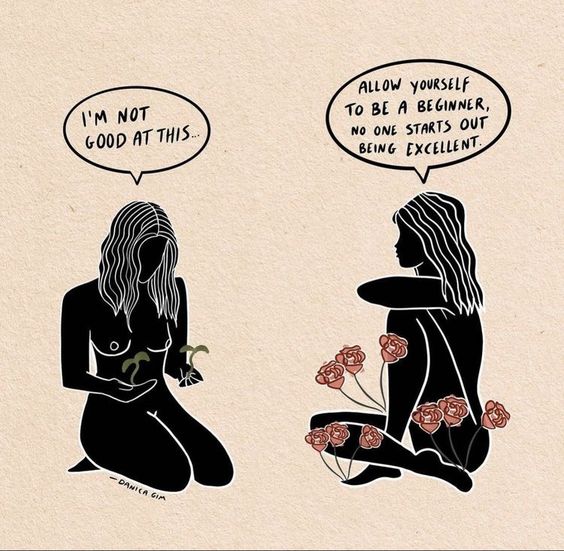
“Beginning students often ask, ‘How long will it take me to learn the Way of Zen Guitar?’ My answer is, as long as you live—that short. Your playing may progress enough to impress your friends in a year’s time, perform onstage in two years, or turn professional in three. But if those are the ends you seek, your concern is not Zen Guitar. The Way of Zen Guitar is learned day by day, minute by minute, second by second, now to eternity. There is no faster way.”
Philip Toshio Sudo, Zen Guitar (Page 17)
Zen Guitar [Book]

Book Overview: Unleash the song of your soul with Zen Guitar, a contemplative handbook that draws on ancient Eastern wisdom and applies it to music and performance. Each of us carries a song inside us, the song that makes us human. Zen Guitar provides the key to unlocking this song—a series of life lessons presented through the metaphor of music. Philip Sudo offers his own experiences with music to enable us to rediscover the harmony in each of our lives and open ourselves to Zen awareness uniquely suited to the Western Mind. Through fifty-eight lessons that provide focus and a guide, the reader is led through to Zen awareness. This harmony is further illuminated through quotes from sources ranging from Eric Clapton and Jimi Hendrix to Miles Davis. From those who have never strummed a guitar to the more experienced, Zen Guitar shows how the path of music offers fulfillment in all aspects of life—a winning idea and an instant classic.
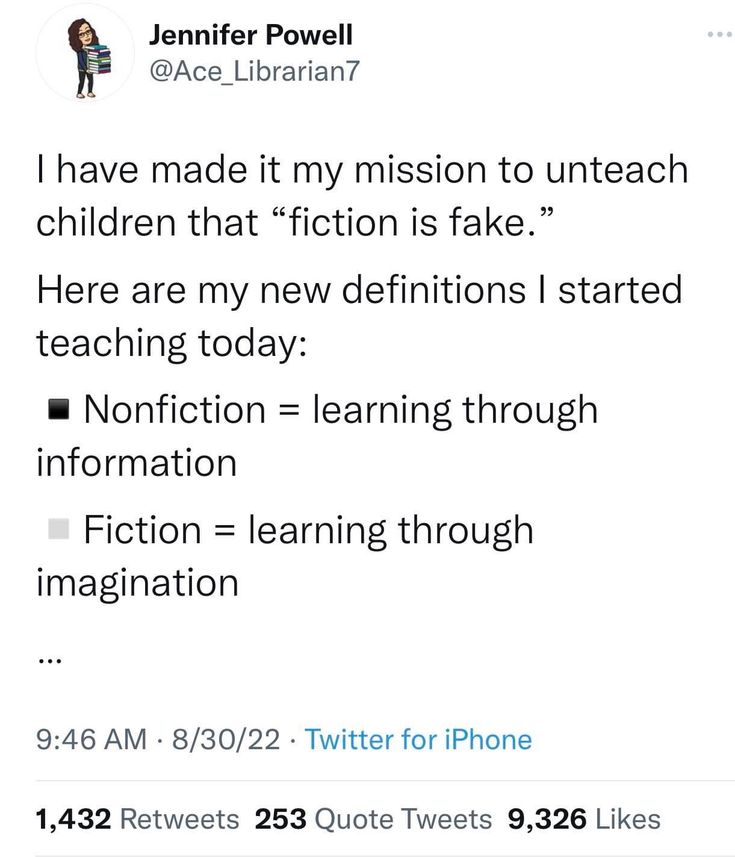
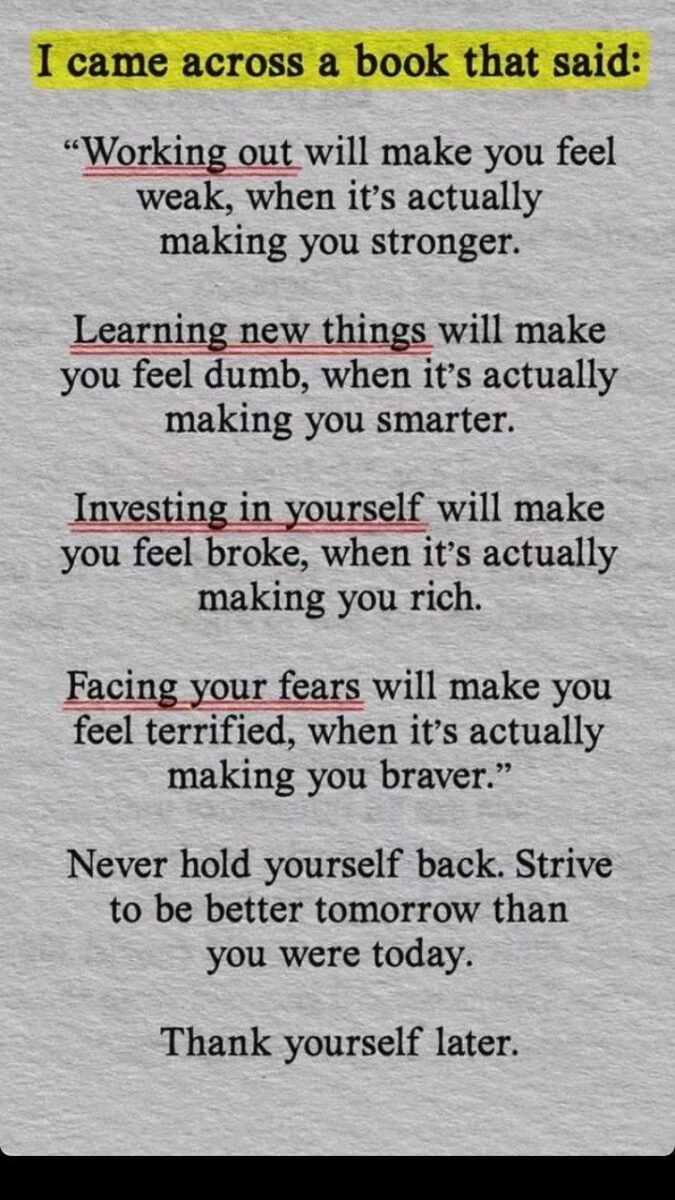
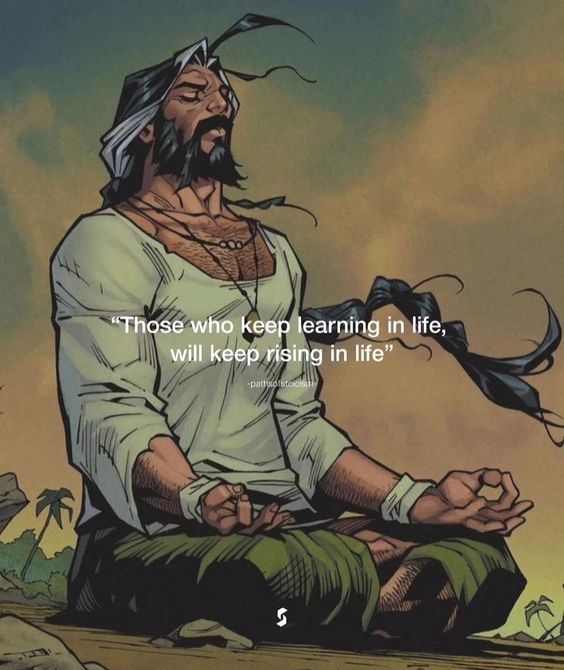
“You may grow old and trembling in your anatomies, you may lie awake at night listening to the disorder of your veins, you may miss your only love, you may see the world about you devastated by evil lunatics, or know your honour trampled in the sewers of baser minds. There is only one thing for it then—to learn. Learn why the world wags and what wags it. That is the only thing which the mind can never exhaust, never alienate, never be tortured by, never fear or distrust, and never dream of regretting.”
T. H. White, via Ikigai (Page 97)
“In class, I only spoke when I could be an articulate defender of black people. I didn’t use the classroom to ask questions. I didn’t use the classroom to make ungrounded claims. There was too much at stake to ask questions, to be dumb, to be a curious student, in front of a room of white folk who assumed all black folk were intellectually less than. For the first time in my life, the classroom scared me. And when I was scared, I ran to cakes, because cakes felt safe, private, and celebratory. Cakes never fought back.”
Kiese Laymon, Heavy (Page 123)
“Wisdom cannot be communicated. Wisdom that a wise man tries to communicate always sounds foolish. Knowledge can be communicated, but not wisdom. We can find it, we can live it, we can be carried by it, we can work wonders with it, but we cannot utter it or teach it.”
Hermann Hesse, Siddhartha (Page 124)
“No man can reveal to you aught but that which already lies half asleep in the dawning of your knowledge.
Kahlil Gibran, The Prophet (Page 53)
The teacher who walks in the shadow of the temple, among his followers, gives not of his wisdom but rather of his faith and his lovingness.
If he is indeed wise he does not bid you enter the house of his wisdom, but rather leads you to the threshold of your own mind.”
“All too often we are giving our young people cut flowers when we should be teaching them to grow their own plants. We are stuffing their heads with the products of earlier innovation rather than teaching them to innovate. We think of the mind as a storehouse to be filled when we should be thinking of it as an instrument to be used.”
John W. Gardner, Self-Renewal (Page 21)
“We pay a heavy price for our fear of failure. It is a powerful obstacle to growth. It assures the progressive narrowing of the personality and prevents exploration and experimentation. There is no learning without some difficulty and fumbling. If you want to keep on learning, you must keep on risking failure—all your life. It’s as simple as that.”
John W. Gardner, Self-Renewal (Page 15)
“Doubt is not bad. Negativity is a totally different thing. Negativity means you have already taken a position—against. Doubt means you don’t have any position; you are ready to inquire, with open mind. Doubt is the best point from where to begin. Doubt simply means a quest, a question; negativity means you already have a prejudice, you are bigoted. You have already decided. Now all that you have to do is somehow to prove your prejudice right. Doubt is immensely spiritual. But negativity is something sick.”
Osho, Everyday Osho (Page 123)
“When I examine myself and my methods of thought, I come to the conclusion that the gift of fantasy has meant more to me than my talent for absorbing positive knowledge.”
Albert Einstein, via Essentialism (Page 87)
“For a philosopher seeking to guide himself repetition is a philosophical virtue. Repetition is a form of spiritual exercise designed to reinforce the main principles of Marcus [Aurelius]’ philosophy; its purpose is to effect a ‘dyeing of the soul.'”
Diskin Clay, via Meditations (pag xviii)
“You create the rich or arid landscape of your brain. If you constrict your thoughts to the same obsessions, to the tiny realm of your smartphone, that is the world the you create for yourself. What a waste of this magnificent instrument that you have inherited! But if you attempt to move in the opposite direction, you will notice the opposite dynamic—continual expansion, mental doors opening up in every direction, creative connections and new ideas flooding your brain. You will not want to stop exploring, because your exploration becomes a continuous source of pleasure for the restless energy of the human mind.”
Robert Greene, The Daily Laws (Page 448)
“In a competition between someone who knows the most and someone who is willing to learn the most, the edge usually goes to the curious and empathic professional, not the one who is simply protecting what’s already known.”
Seth Godin, Blog