“Writers write. Runners run. Establish your identity by doing your work.”
Seth Godin, The Practice (Page 35)
“I do not like work—no man does—but I like what is in work: the chance to find yourself.”
Joseph Conrad, The Heart Of Darkness, via Sunbeams (Page 75)
“If you want to change your story, change your actions first. When we choose to act a certain way, our mind can’t help but rework our narrative to make those actions become coherent. We become what we do.”
Seth Godin, The Practice (Page 19) | Read Matt’s Blog On This Quote ➜
“It is better to follow your own path, however imperfectly, than to follow someone else’s perfectly.”
The Bhagavad-Gita, via The Practice (Page 8)

“Tell me to what you pay attention and I will tell you who you are.”
José Ortega y Gasset, via Sunbeams (Page 70)
“The purpose is to identify not with the body which is falling away, but with the consciousness of which it is a vehicle. This is something I learned from my myths. Am I the bulb that carries the light, or am I the light of which the bulb is the vehicle? If you can identify with the consciousness, you can watch this thing go like an old car. There goes the fender, etc. But it’s expected; and then gradually the whole thing drops off and consciousness rejoins consciousness. I live with these myths—and they tell me to do this, to identify with the Christ or the Shiva in me. And that doesn’t die, it resurrects. It is an essential experience of any mystical realization that you die to your flesh and are born to your spirit. You identify with the consciousness in life—and that is the god.”
Joseph Campbell, via Sunbeams (Page 70)
“Understanding what bothers you is just as important as understanding what excites you.”
Chris Guillebeau, The Happiness of Pursuit (Page 192)
“A man must die; that is, he must free himself from a thousand petty attachments and identifications… He is attached to everything in his life, attached to his imagination, attached to his stupidity, attached even to his sufferings, possibly to his sufferings more than to anything else… Attachments to things, identifications with things, keep alive a thousand useless ‘I’s in a man. These ‘I’s must die in order that the big I may be born. But how can they be made to die? They do not want to die. It is at this point that the possibility of awakening comes to the rescue. To awaken means to realize one’s nothingness.”
G. I. Gurdjieff, via Sunbeams (Page 67)
“You know how you meet people and they ask, ‘What do you do?’ You can always say that you’re a teacher or a student, an accountant or an artist, or whatever your vocation. But once you have a quest, you have another answer, too. Your identity isn’t tied to a job; your identity is who you really are. I’m trying to visit every country in the world. I’m on a quest to publish one million processed photos. I’m going to produce the largest symphony ever performed.”
Chris Guillebeau, The Happiness of Pursuit (Page 123)
“Actualization of self cannot be sought as a goal in its own right… Rather, it seems to be a by-product of active commitment of one’s talents to some cause, outside the self, such as the quest for beauty, truth, or justice.”
Sidney M. Jourard, via Sunbeams (Page 59) (Read Matt’s Blog On This Quote)
10 Stephen Grosz Quotes From The Examined Life on Pain, Change, and Loss
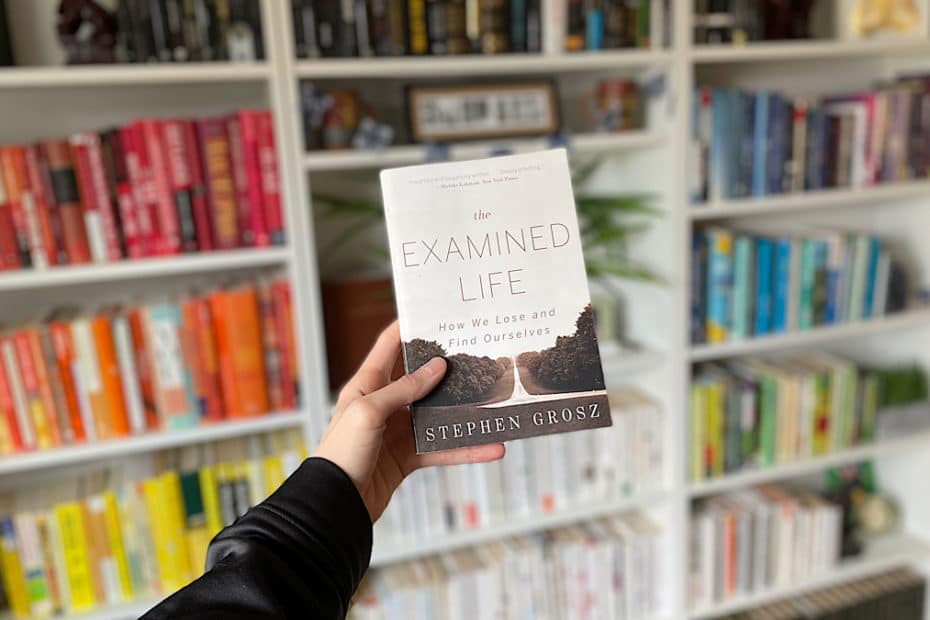
Excerpt: Stephen Grosz has been a psychoanalyst for 25+ years. These quotes from The Examined Life give you access to 50,000+ hours of his distilled insight.
Read More »10 Stephen Grosz Quotes From The Examined Life on Pain, Change, and Loss
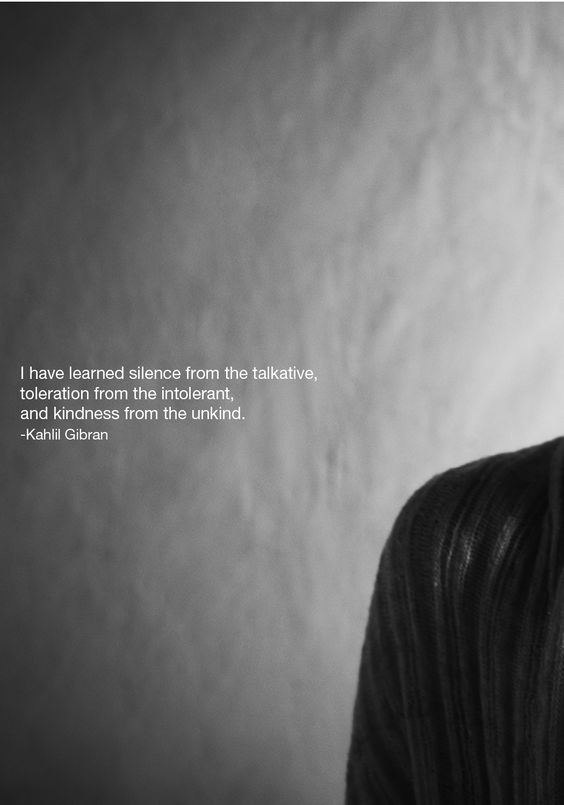
“We are vehemently faithful to our own view of the world, our story. We want to know what new story we’re stepping into before we exit the old one. We don’t want an exit if we don’t know exactly where it is going to take us, even—or perhaps especially—in an emergency. This is so, I hasten to add, whether we are patients or psychoanalysts.”
Stephen Grosz, The Examined Life (Page 123)
“Experience has taught me that our childhoods leave in us stories like this—stories we never found a way to voice, because no one helped us to find the words. When we cannot find a way of telling our story, our story tells us—we dream these stories, we develop symptoms, or we find ourselves acting in ways we don’t understand.”
Stephen Grosz, The Examined Life (Page 10)
The Examined Life: How We Lose and Find Ourselves [Book]
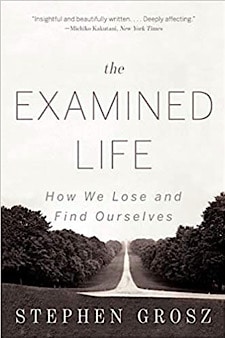
Book Overview: An extraordinary book for anyone eager to understand the hidden motives that shape our lives. In his work as a practicing psychoanalyst, Stephen Grosz has spent the last twenty-five years uncovering the hidden feelings behind our most baffling behavior. The Examined Life distills more than fifty thousand hours of conversation into pure psychological insight without the jargon. This extraordinary book is about one ordinary process: talking, listening, and understanding. Its aphoristic and elegant stories teach us a new kind of attentiveness. They also unveil a delicate self-portrait of the analyst at work and show how lessons learned in the consulting room can reveal as much to the analyst as to the patient. These are stories about our everyday lives; they are about the people we love and the lies we tell, the changes we bear and the grief. Ultimately, they show us not only how we lose ourselves but also how we might find ourselves.
Buy from Amazon! Listen on Audible!
Great on Kindle. Great Experience. Great Value. The Kindle edition of this book comes highly recommended on Amazon.
Post(s) Inspired by this Book:
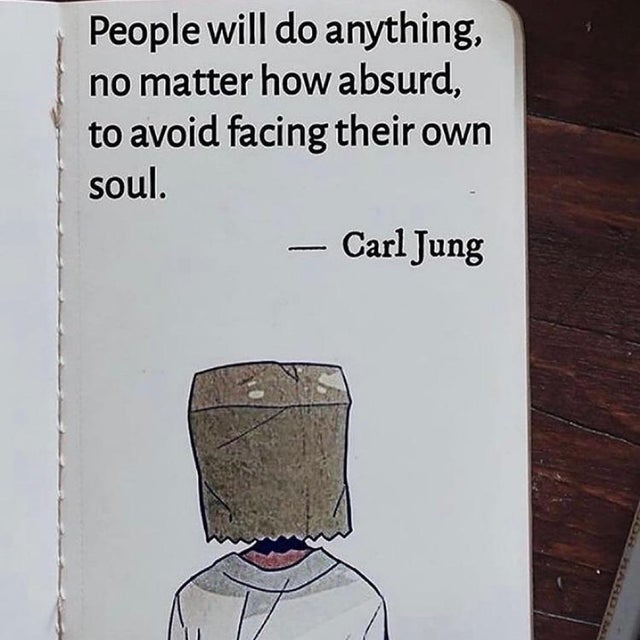
Russell Brand Quote on Self-Image and How What We Justify Is What We Recommit To
“In justifying our misery we recommit to it.”
Russell Brand, Recovery (Page 101)
Beyond the Quote (Day 407)
There’s an expression in the performance world that nobody can outperform his/her own self-image. Meaning, how a person thinks they’ll end up performing is how they’ll most likely end up performing. Self-image becomes a self-fulfilling prophecy.
Read More »Russell Brand Quote on Self-Image and How What We Justify Is What We Recommit To“You build the pain into the story of who you are until it isn’t pain anymore, it’s just another piece of who you are.”
Russell Brand, Recovery (Page 75)