“In English, we have the words ’empathy’ and ‘compassion’ to express our ability to feel the pain that others suffer, but we don’t have a word for experiencing vicarious joy—joy on behalf of other people. Perhaps this is a sign that we all need to work on it. Mudita is the principle of taking sympathetic or unselfish joy in the good fortune of others. If I only find joy in my own successes, I’m limiting my joy. But if I can take pleasure in the successes of my friends and family—ten, twenty, fifty people!—I get to experience fifty times the happiness and joy. Who doesn’t want that?”
Jay Shetty, Think Like A Monk (Page 37)
“Letting go gives us freedom, and freedom is the only condition for happiness. If, in our heart, we still cling to anything—anger, anxiety, or possessions—we cannot be free.”
Thich Nhat Hanh, via Think Like A Monk (Page 29)
“It is impossible to build one’s own happiness on the unhappiness of others.”
Daisaku Ikeda, via Think Like A Monk (Page 20)
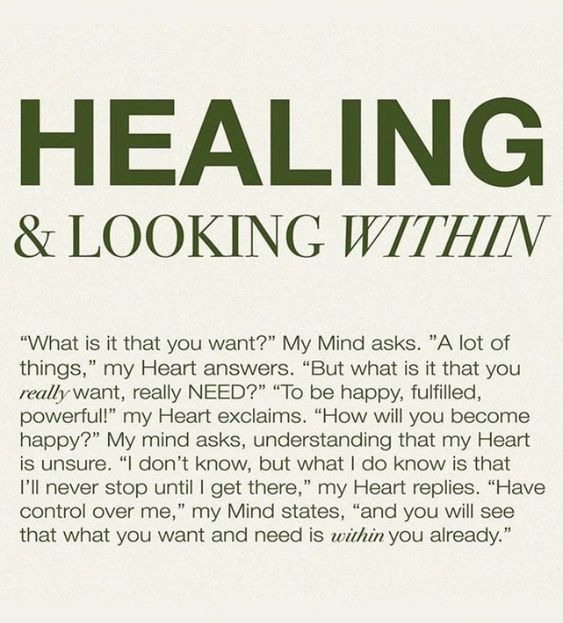
“Sooner or later the outer poverty is going to disappear—we now have enough technology to make it disappear—and the real problem is going to arise. The real problem will be inner poverty. No technology can help.”
Osho, Everyday Osho (Page 47)
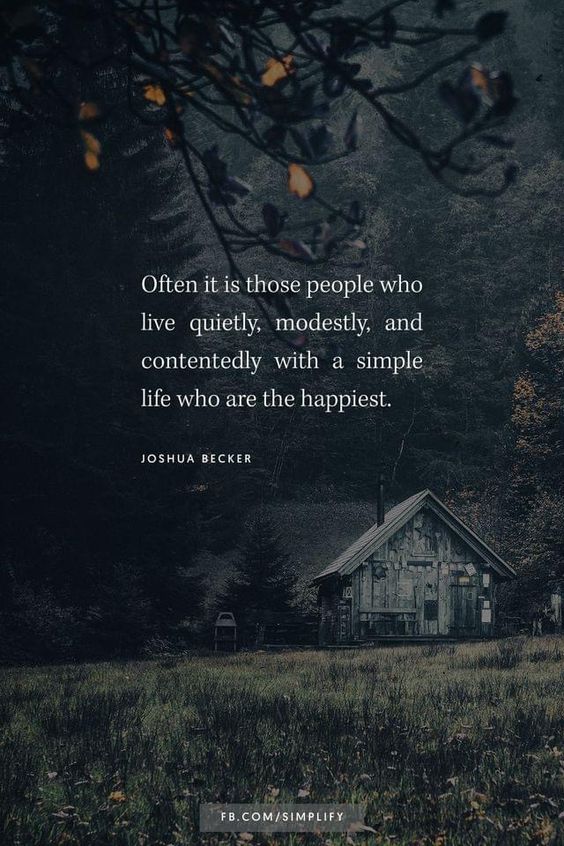
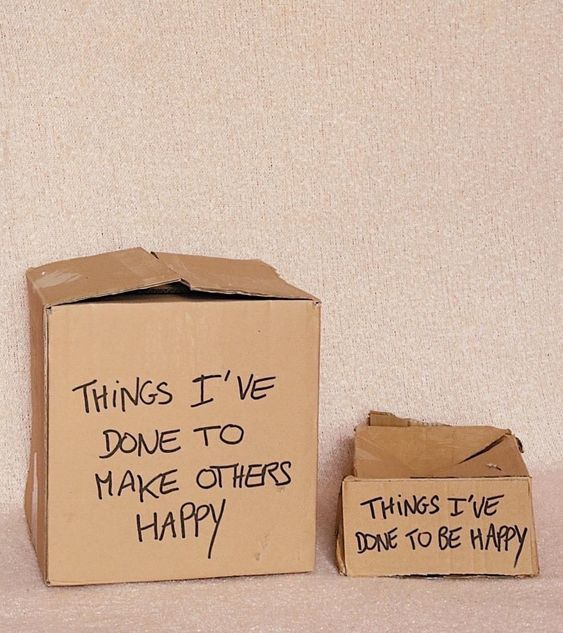
“There are no outside causes of happiness or unhappiness; these things are just excuses. By and by we come to realize that it is something inside us that goes on changing, that has nothing to do with outside circumstances.”
Osho, Everyday Osho (Page 25)
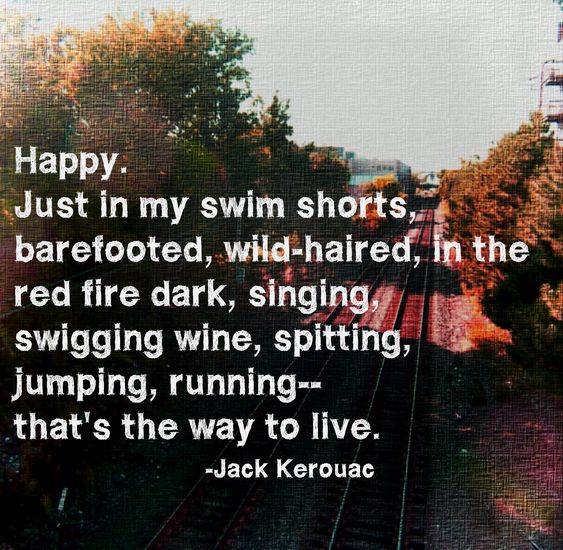
“People often mistake highs for happiness. Highs are short-lived and intense. They leave you feeling empty afterward. Therefore highs often become addictive. Happiness is long-lived and calming. It’s like pleasant background music to everything else you do in life. Happiness is the side effect of wanting to chase nothing, change nothing.”
Mark Manson
“You can’t necessarily automate your happiness. But you can use automation to give you more time to follow your bliss—whatever that looks like for you.”
Aytekin Tank, Automate Your Busywork (Page 168)
“If I lived only for the major, newsworthy milestones, I’d be miserable. Instead, I focused on small wins and created an alternative way to measure success and happiness: know what you’re good at and what you like doing, and spend as much of your workday doing exactly that.”
Aytekin Tank, Automate Your Busywork (Page 168)

“To build a mindset that allows happiness in, you need to develop the quality of non-reactiveness. Life is generally uncontrollable and it is not possible to live without challenges, so eventually unwanted things and tough situations will appear. Being able to create space in your mind where you can recognize something as undesirable without reacting to it intensely not only helps you deal with it better, but it also keeps you connected to your peace. Not reacting literally allows peace to exist in your mind. The less you react, the more peace you have.”
Yung Pueblo
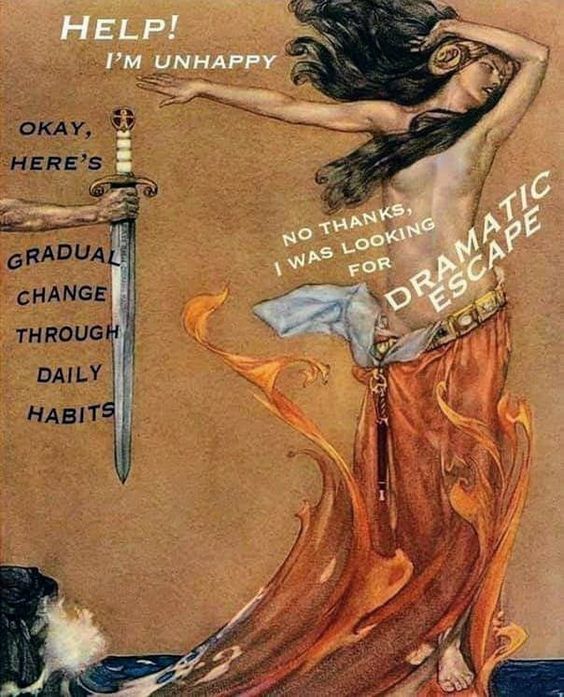
“What [Aristotle] calls happiness is doing what you’re very good at in the act because you’ll be getting pleasure from it. In the moment, you’re being eudaimonic. His concept of happiness has nothing to do with transient, physical pleasure. It’s not the happy hour or cocktails or having a happy meal or even a happy birthday. It’s about continuously, daily reenacting this best version of yourself.”
Edith Hall
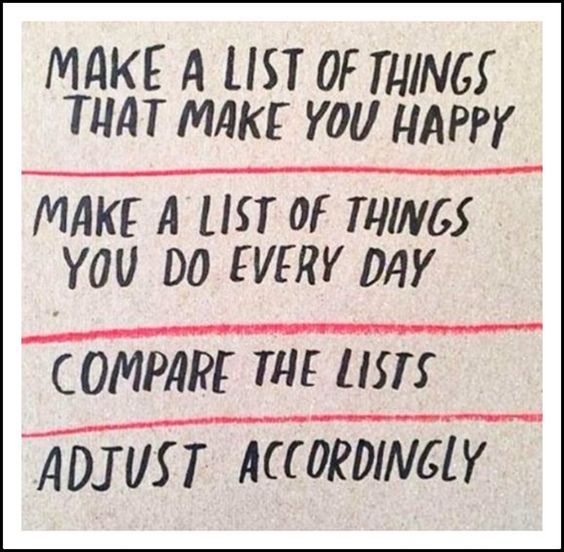
“Happiness is a mental habit, a mental attitude, and if it is not learned and practiced in the present it is never experienced. It cannot be made contingent upon solving some external problem. When one problem is solved, another appears to take its place. Life is a series of problems. If you are to be happy at all, you must be happy — period! Not happy ‘because of.’”
Maxwell Maltz, Psycho-Cybernetics
34 Will Smith Quotes from Will on Hustle, Happiness, and Love

Excerpt: This collection of quotes from Will will give you a peak into the mind of one of the most beloved and prolific stars in Hollywood history…
Read More »34 Will Smith Quotes from Will on Hustle, Happiness, and Love