“People commonly assume that each passing second brings them closer to death; but this is largely and dangerously fallacious. The second in which a drowning man grabs hold of a life preserver or a starving man is offered a bowl of soup does not bring either closer to death but, rather, sharply away from it. People who undergo healthy conversions of habit cut abruptly away from death; wholesome exercise, from a physiological point of view, is not necessarily motion toward death at all. To say that such actions or activities merely delay death is a kind of sophistry; for since death is, in physical terms, a negative state, it is much more pertinent and correct to say that they prolong and increase life. Indeed, time has much less to do with death—for death is, as a cessation of motion, also a cessation of time—than it has to do with life, its most complex embodiment. Thinking that time brings death is less a workable assumption than a moral evasion, an example of our chronic tendency to ascribe our woes and weaknesses to external circumstances rather than to living will.”
Robert Grudin, Time And The Art Of Living (Page 118)
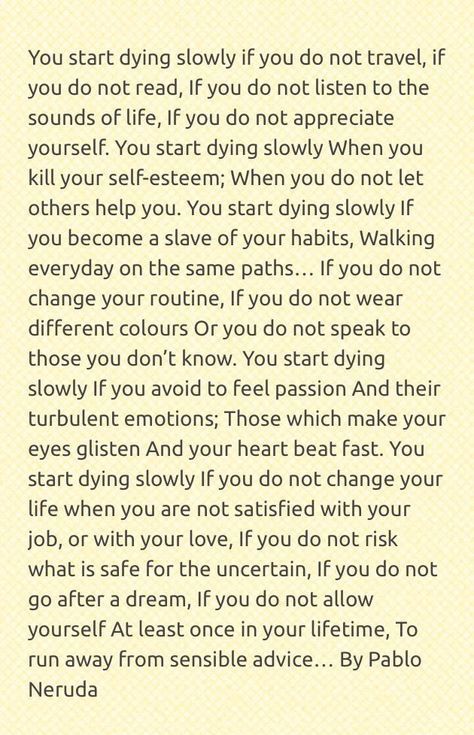
“If you accept death, it is altogether like a frosty night and an anxious misgiving, but a frosty night in a vineyard full of sweet grapes. You will soon take pleasure in your wealth. Death ripens. One needs death to be able to harvest the fruit. Without death, life would be meaningless, since the long-lasting rises again and denies its own meaning. To be, and to enjoy your being, you need death, and limitation enables you to fulfill your being.”
Carl Jung
“I think there’s something beautiful about being lucky enough to witness a thing on its way out.”
Becky Chambers, A Psalm For The Wild-Built (Page 99)
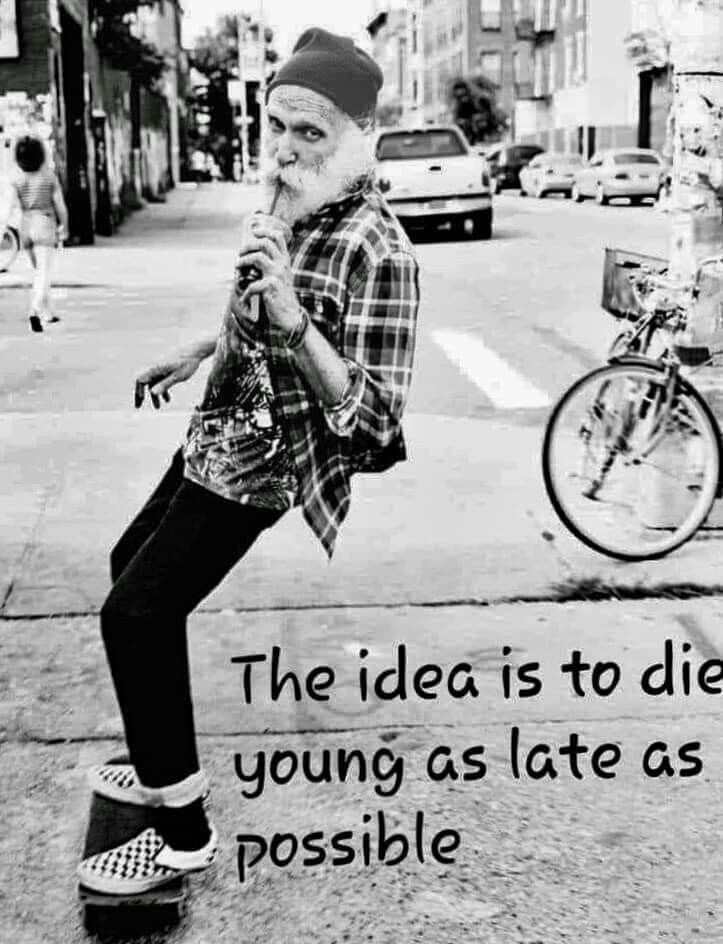
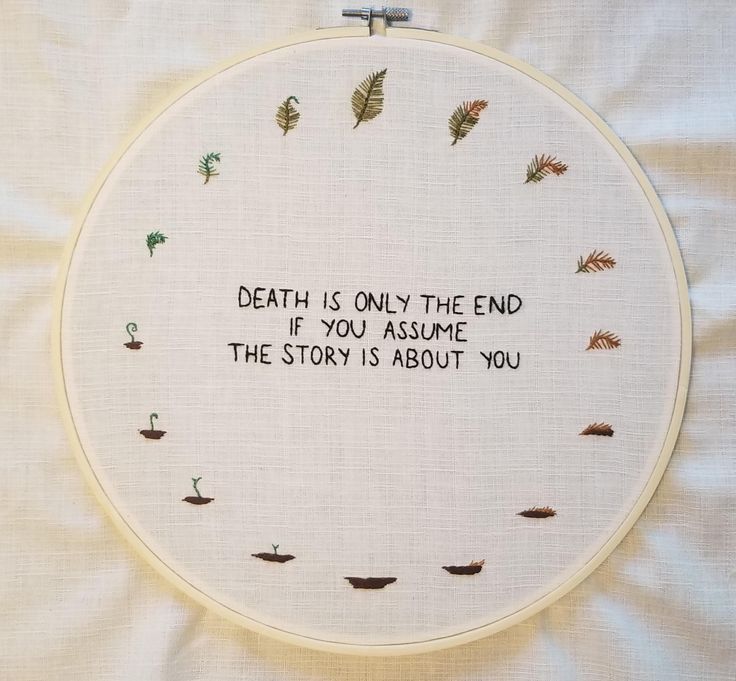
“There’s something sobering about moments when mortality decides to pull up a chair and join you for a chat. It doesn’t matter who you are, how much kale you’ve eaten, or whether you can still squeeze into your high school jeans on your 60th birthday. (Spoiler Alert: I cannot). Mortality reminds us that we’re all just passing through, and none of us gets to skip the check-out line. Death doesn’t discriminate. But here’s the twist: Mortality isn’t here to ruin the party. It’s here to remind us to live.”
Craig Misewicz
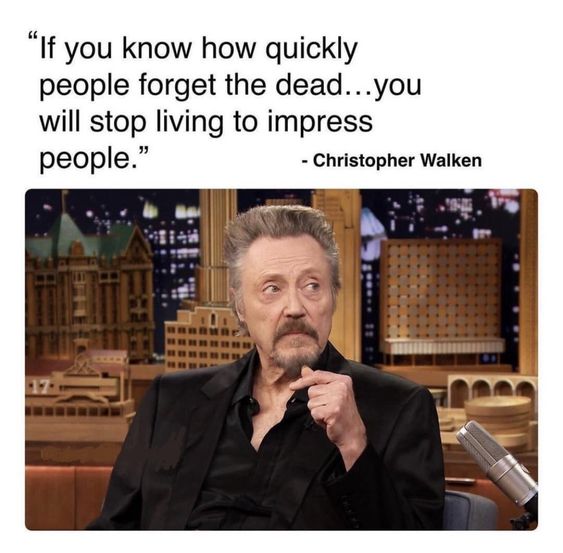
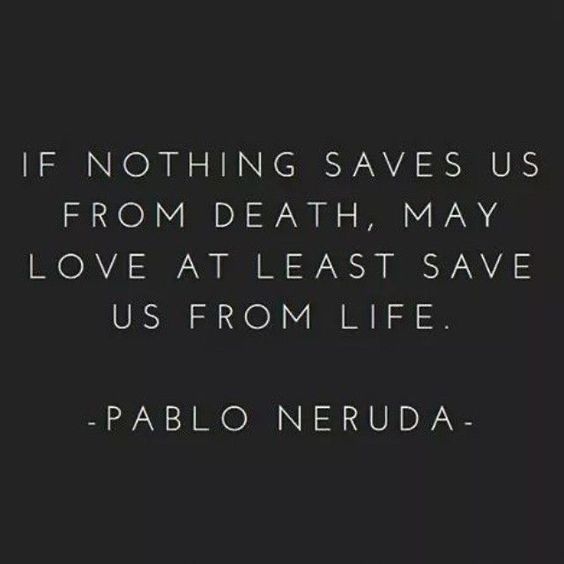
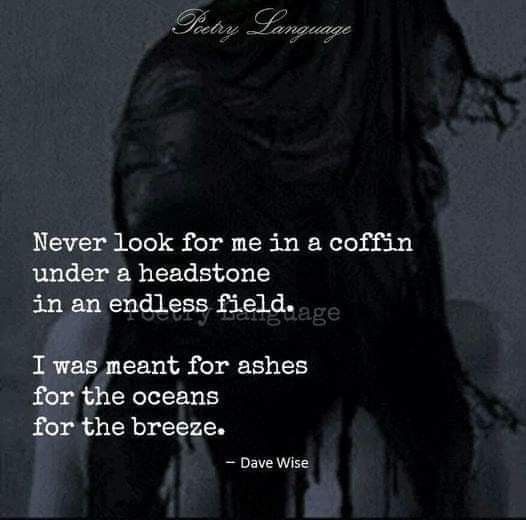
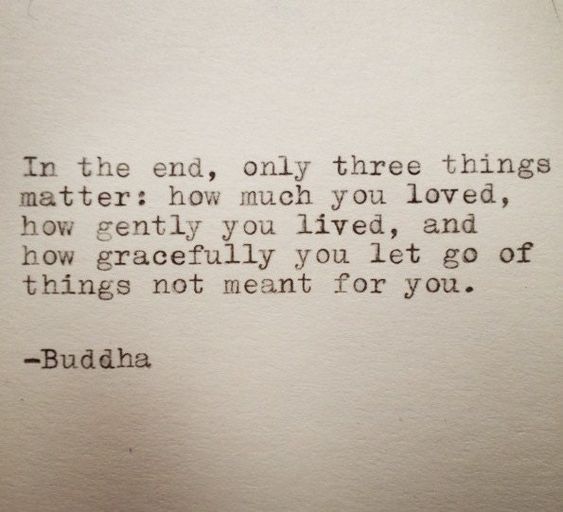
“I just lost my wife of 60 years and it’s sort of devastating, but there was a Marcus Aurelius quote that really lifted me, which was that if you lose a loved one, honor her. In a sense, try to be more like her and then she’ll live on in your actions. My wife was very good—if someone was alone or sick or something, she’d call them up and be comforting to them. And I’m not like that, you know? So I started to do that. People that I know, some guys my age who have no grandchildren, I call them up and say, Hey, how are you? And they are so pleased and so kind. And that’s how I keep my wife in my life.”
Francis Ford Coppola
20 Heavy Michelle Zauner Quotes from Crying In H Mart on Cancer and Grief
Excerpt: An honest and raw collection of Michelle Zauner quotes from Crying in H Mart on grief and what it was like losing her mom and aunt to cancer.
Read More »20 Heavy Michelle Zauner Quotes from Crying In H Mart on Cancer and Grief
“I loved that she did not fear god. I loved that she believed in reincarnation, the idea that after all this she could start anew. When I asked her what she’d want to come back as, she always told me she’d like to return as a tree. It was a strange and comforting answer, that rather than something grand and heroic, my mother preferred to return to life as something humble and still.”
Michelle Zauner, Crying in H Mart (Page 135)
“Within five years, I lost both my aunt and my mother to cancer. So, when I go to H Mart, I’m not just on the hunt for cuttlefish and three bunches of scallions for a buck; I’m searching for memories. I’m collecting the evidence that the Korean half of my identity didn’t die when they did. H Mart is the bridge that guides me away from the memories that haunt me, of chemo head and skeletal bodies and logging milligrams of hydrocodone. It reminds me of who they were before, beautiful and full of life, wiggling Chang Gu honey-cracker rings on all ten of their fingers, showing me how to suck a Korean grape from its skin and spit out the seeds.”
Michelle Zauner, Crying in H Mart (Page 11)
“Sometimes my grief feels as though I’ve been left alone in a room with no doors. Every time I remember that my mother is dead, it feels like I’m colliding with a wall that won’t give. There’s no escape, just a hard surface that I keep ramming into over and over, a reminder of the immutable reality that I will never see her again.”
Michelle Zauner, Crying in H Mart (Page 6)
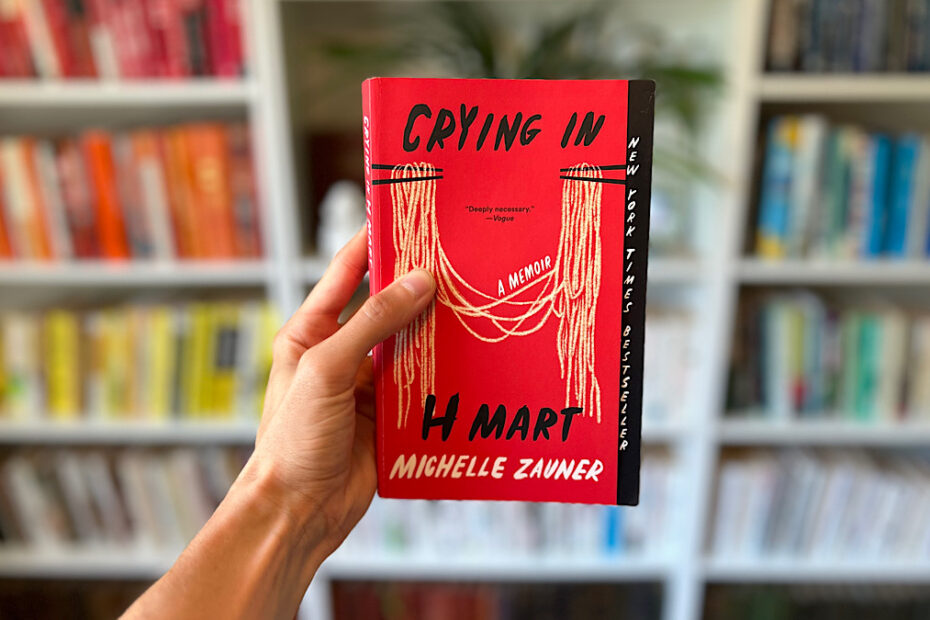
Crying In H Mart [Book]
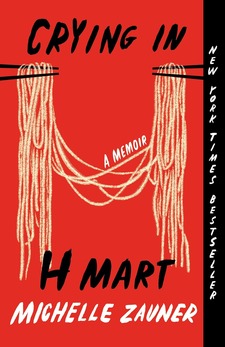
Book Overview: In this exquisite story of family, food, grief, and endurance, Michelle Zauner proves herself far more than a dazzling singer, songwriter, and guitarist. With humor and heart, she tells of growing up one of the few Asian American kids at her school in Eugene, Oregon; of struggling with her mother’s particular, high expectations of her; of a painful adolescence; of treasured months spent in her grandmother’s tiny apartment in Seoul, where she and her mother would bond, late at night, over heaping plates of food. Vivacious and plainspoken, lyrical and honest, Zauner’s voice is as radiantly alive on the page as it is onstage. Rich with intimate anecdotes that will resonate widely, and complete with family photos, Crying in H Mart is a book to cherish, share, and reread.
Post(s) Inspired by this Book: