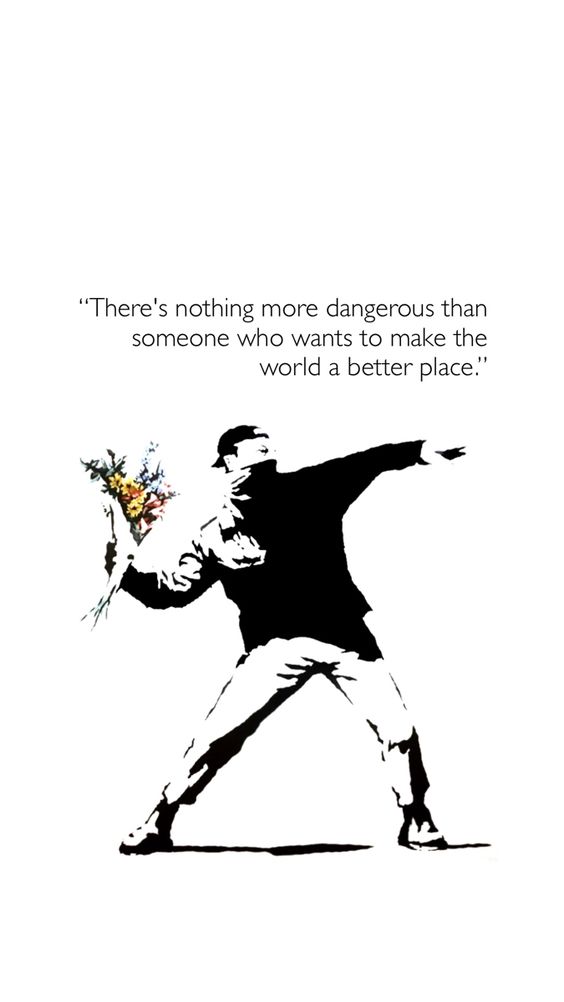
“As Peter Drucker has pointed out, in a world buffeted by change, faced daily with new threats to its safety, the only way to conserve is by innovating. The only stability possible is stability in motion.”
John W. Gardner, Self-Renewal (Page 7)
“The renewal of societies and organizations can go forward only if someone cares. Apathy and lowered motivation are the most widely noted characteristics of a civilization in decline. Apathetic men and women accomplish nothing. Those who believe in nothing change nothing for the better. They renew nothing and heal no one, least of all themselves.”
John W. Gardner, Self-Renewal (Page xxi)
“The future is shaped by men and women with a steady, even zestful, confidence that on balance their efforts will not have been in vain. They take failure and defeat not as reason to doubt themselves but as reason to strengthen resolve. Some combination of hope, vitality and indomitability makes them willing to bet their lives on ventures of unknown outcome. If our forebears had all looked before they leaped, we would still be crouched in caves sketching animal pictures on the wall.”
John W. Gardner, Self-Renewal (Page xiii)
“There’s something in us that fiercely resists change. And there’s something else in us that welcomes it, finds it bracing, even seeks it out. It’s the latter trait that keeps the species going.”
John W. Gardner, Self-Renewal (Page xi)
“A man who says, ‘I want to change, tell me how to’, seems very earnest, very serious, but he is not. He wants an authority whom he hopes will bring about order in himself. But can authority ever bring about inward order? Order imposed from without must always breed disorder.”
J. Krishnamurti, Freedom From The Known (Page 17)
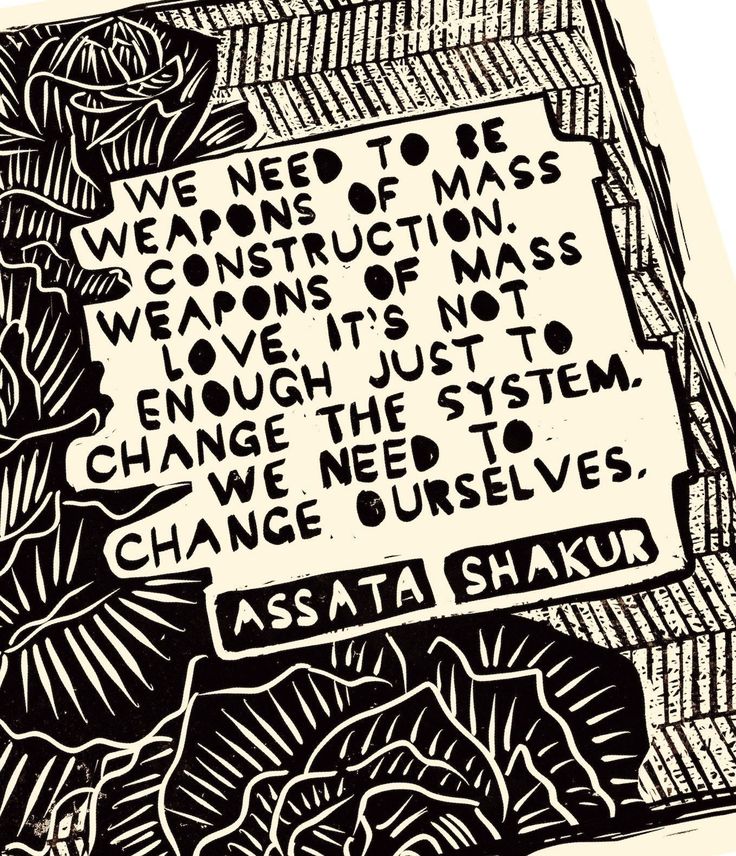
“Though the patient enters therapy insisting that he wants to change, more often than not, what he really wants is to remain the same and to get the therapist to make him feel better. His goal is to become a more effective neurotic, so that he may have what he wants without risking getting into anything new. He prefers the security of known misery to the misery of unfamiliar insecurity.”
Sheldon B. Kopp, If You Meet Buddha On The Road, Kill Him! (Page 4)
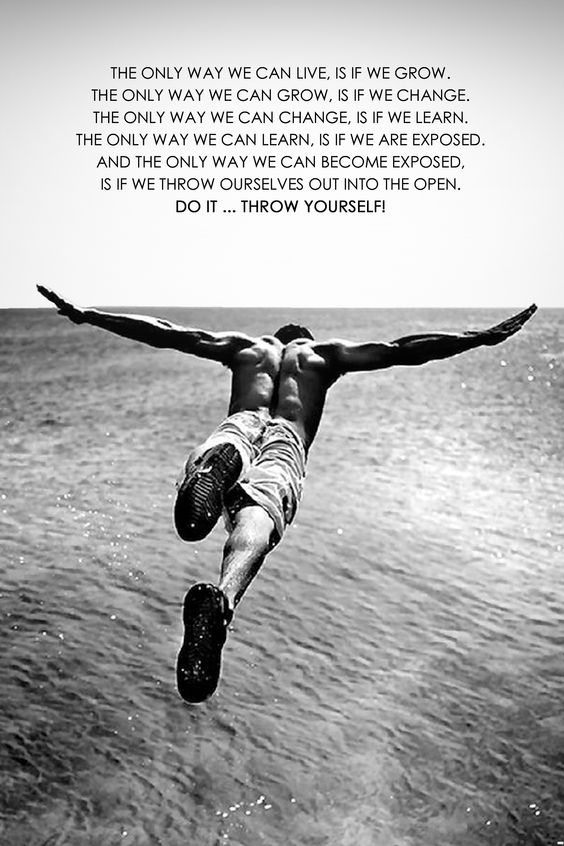
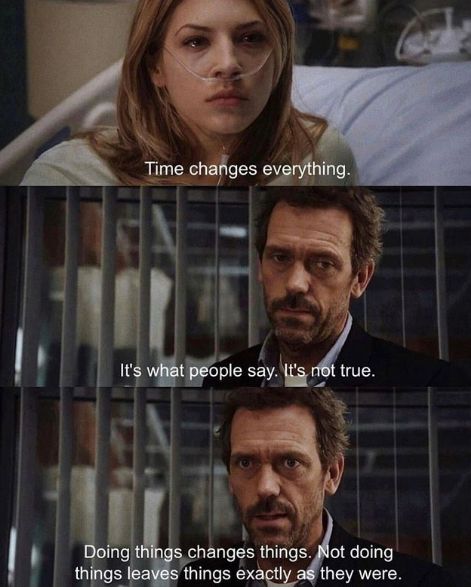
“If you make your bed every morning, you will have accomplished the first task of the day. It will give you a small sense of pride and it will encourage you to do another task and another and another. By the end of the day, that one task completed will have turned into many tasks completed. Making your bed will also reinforce the fact that little things in life matter. If you can’t do the little things right, you will never do the big things right. And, if you by chance have a miserable day, you will come home to a bed that is made—that you made—and a made bed gives you encouragement that tomorrow will be better.”
William A. McRaven, Make Your Bed (Page 111) | ★ Featured on this book list.
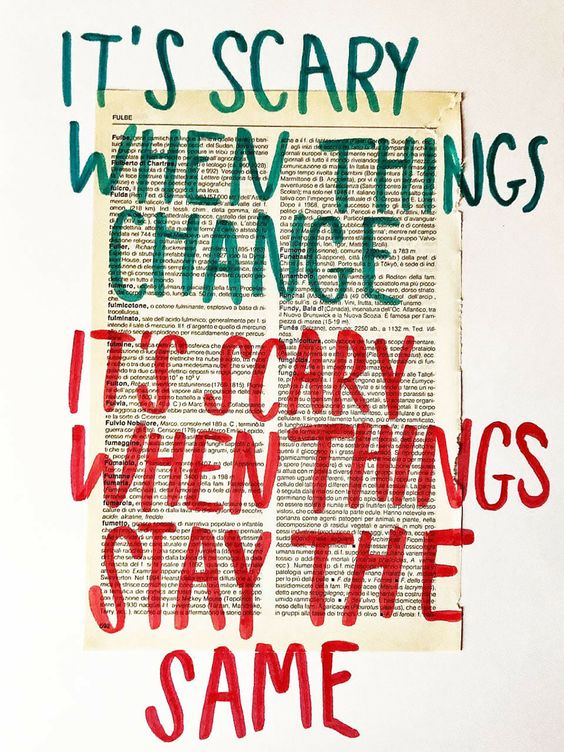
“Change can be scary, but it’s utterly unavoidable. In fact, impermanence is the only thing you can truly rely on. If you are unwilling or unable to pivot and adapt to the incessant, fluctuating tides of life, you will not enjoy being here. Sometimes, people try to play the cards that they wish they had, instead of playing the hand they’ve been dealt. The capacity to adjust and improvise is arguably the single most critical human ability.”
Will Smith, Will (Page 193)
“We all have to contend with the natural processes of destruction. Everything is impermanent—your body’s going to get old; your best friend is going to graduate and move to another city; that tree you used to climb in front of Stacey Brooks’s house is going to crash down in a storm. Your parents are going to die. Everything changes; it rises, and it falls. Nothing and no one is immune to the entropy of the universe. That is why self-destruction is such a terrible crime. It’s hard enough as it is.”
Will Smith, Will (Page 158)
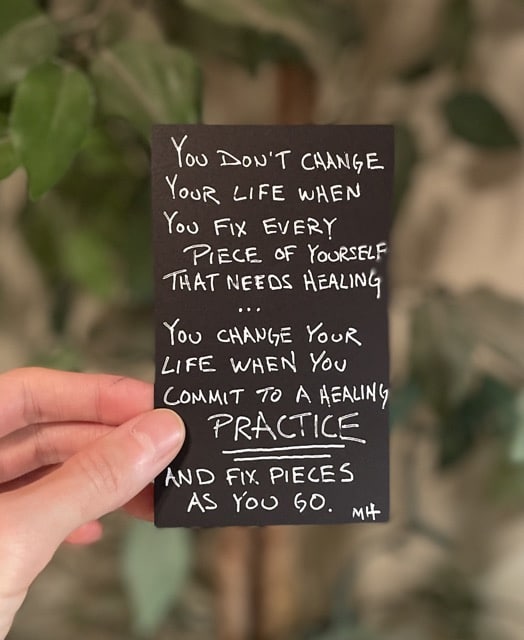
“The truth is that you do not change your life when you fix every piece and call that healing. You change your life when you become comfortable with being happy here, even if you want to go forward. You change your life when you can love yourself even though you don’t look exactly the way you want to. You change your life when you are principled about money and love and relationships, when you treat strangers as well as you do your CEO, and when you manage $1,000 the same way you would $10,000.”
Brianna Wiest, The Mountain Is You (Page 147)
“The truth about your psyche is this: Anything that is new, even if it is good, will feel uncomfortable until it is also familiar. Our brain works the opposite way, too, in that whatever is familiar is what we perceive to be good and comfortable, even if those behaviors, habits, or relationships are actually toxic or destructive.”
Brianna Wiest, The Mountain Is You (Page 116)
“Making big, sweeping changes is not difficult because we are flawed, incompetent beings. It’s difficult because we are not meant to live outside of our comfort zones. If you want to change your life, you need to make tiny, nearly undetectable decisions every hour of every day until those choices are habituated. Then you’ll just continue to do them.”
Brianna Wiest, The Mountain Is You (Page 112)
“If you’re stuck in life, it’s probably because you’re waiting for the big bang, the breakthrough moment in which all your fears dissolve and you’re overcome with clarity. The work that needs to happen happens effortlessly. Your personal transformation rips you from complacency, and you wake up to an entirely new existence. That moment will never come. Breakthroughs do not happen spontaneously. They are tipping points.”
Brianna Wiest, The Mountain Is You (Page 110)