“To love someone long-term is to attend a thousand funerals of the people they used to be. The people they’re too exhausted to be any longer. The people they don’t recognize inside themselves anymore. The people they grew out of, the people they never ended up growing into. We so badly want the people we love to get their spark back when it burns out; to become speedily found when they are lost. But it is not our job to hold anyone accountable to the people they used to be. It is our job to travel with them between each version and to honor what emerges along the way.”
Heidi Priebe, This Is Me Letting You Go
“The birth of our second child is one, maybe two weeks away. The coming event looms over us, the way a big wave looms over a little boat; and our days are dimmed by its shadow. The future can exert this force upon us, can totally suck the juice out of the present, turning it into something tense, dry, useless to memory. How can we enjoy or profit from usch a transitional state? The practical answer is ‘Don’t sit and wait; prepare.’ The subtler answer is that no period in life is more or less transitional than any other, had we only the power to understand each.”
Robert Grudin, Time And The Art Of Living (Page 41)
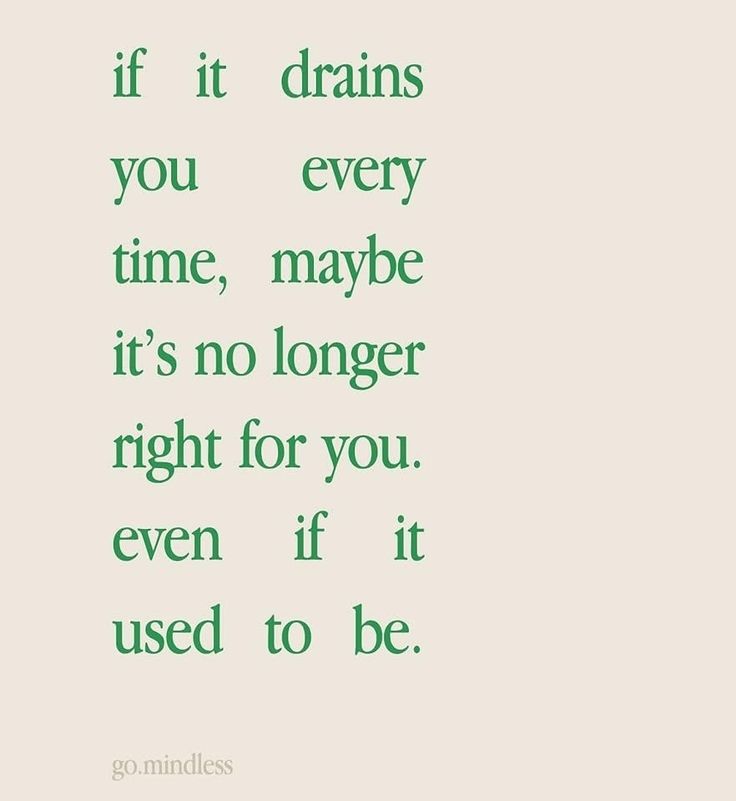
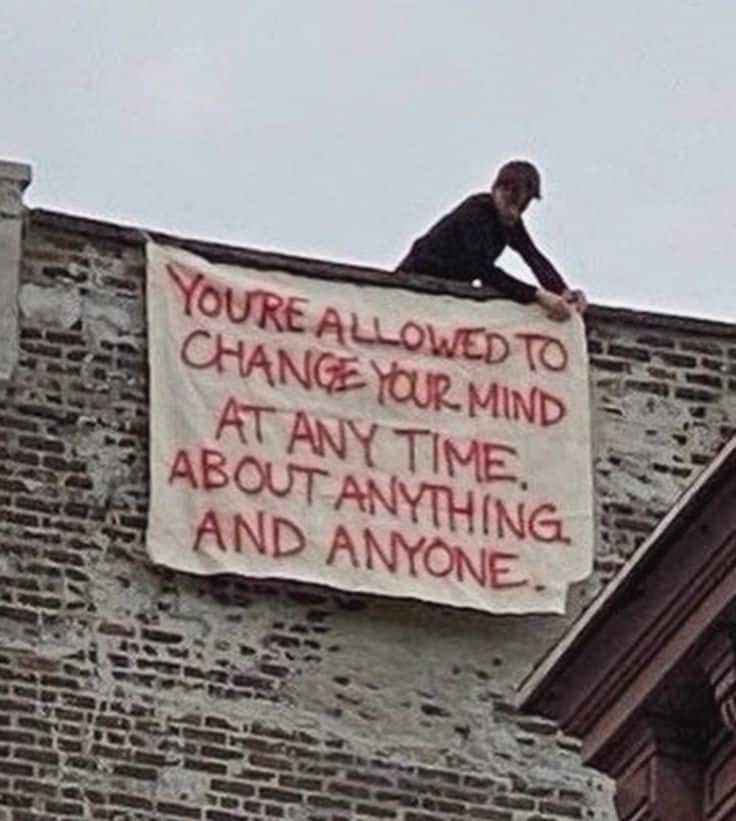
“If we want change, or good fortune, or solace, we have to create it for ourselves. And that’s what I learned in that shrine. I thought, wow, y’know, a cup of tea may not be the most important thing in the world—or a steam bath, or a pretty garden. They’re so superfluous in the grand scheme of things. But the people who did actually important work—building, feeding, teaching, healing—they all came to the shrine. It was the little nudge that helped important things get done.”
Becky Chambers, A Psalm For The Wild-Built (Page 135)
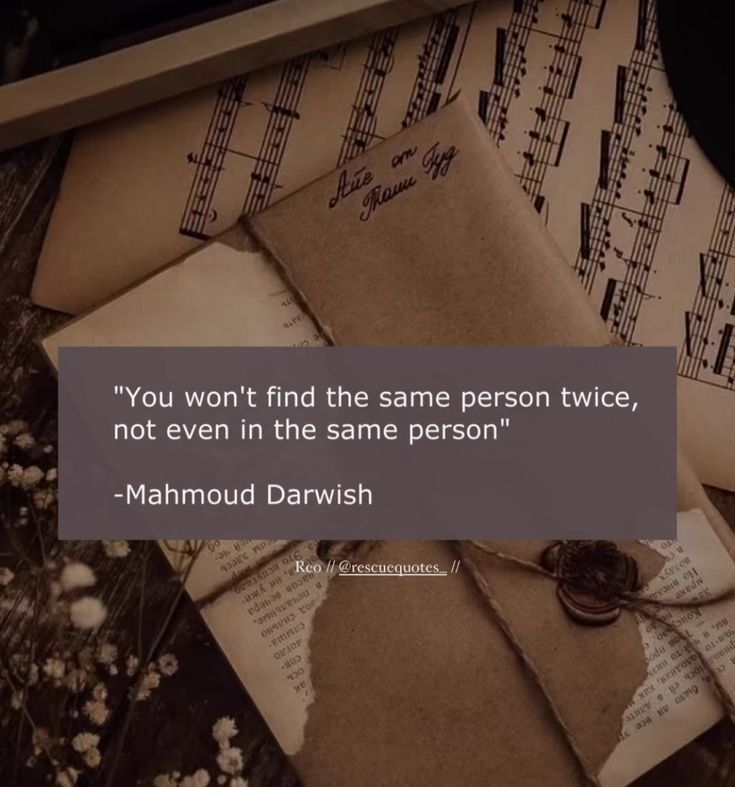
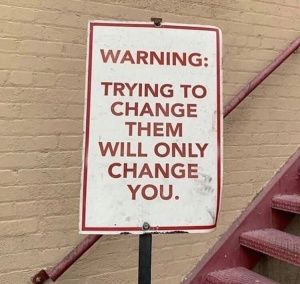
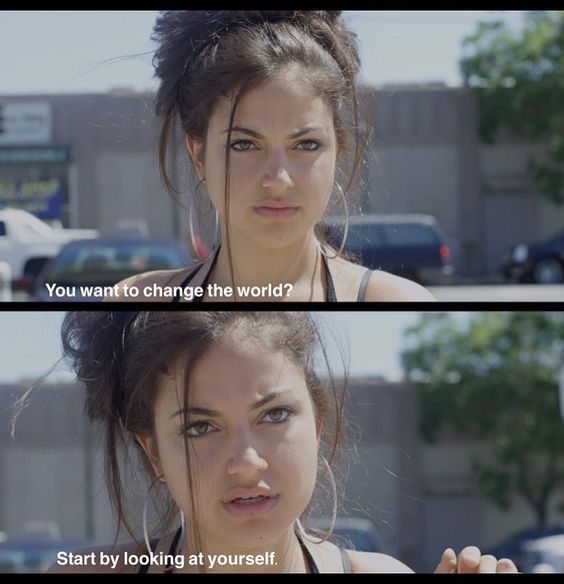
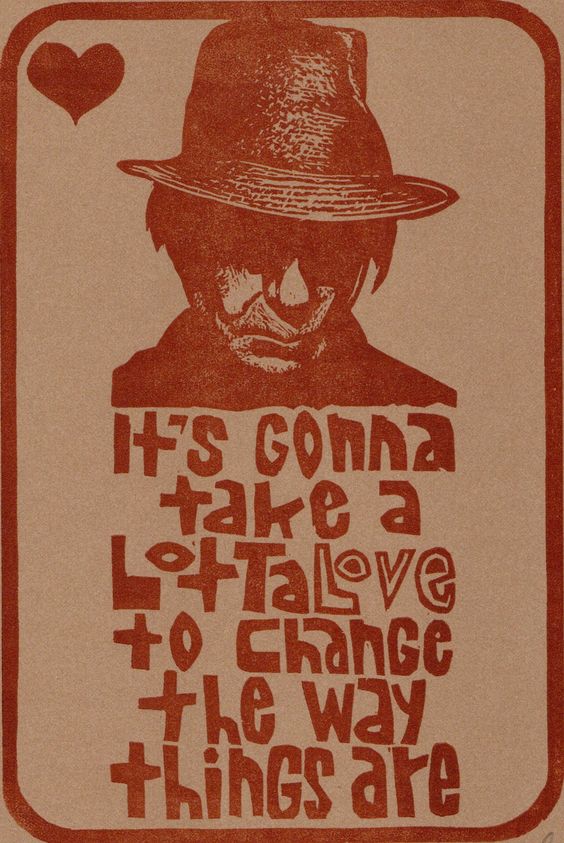
Most don’t even realize they are.
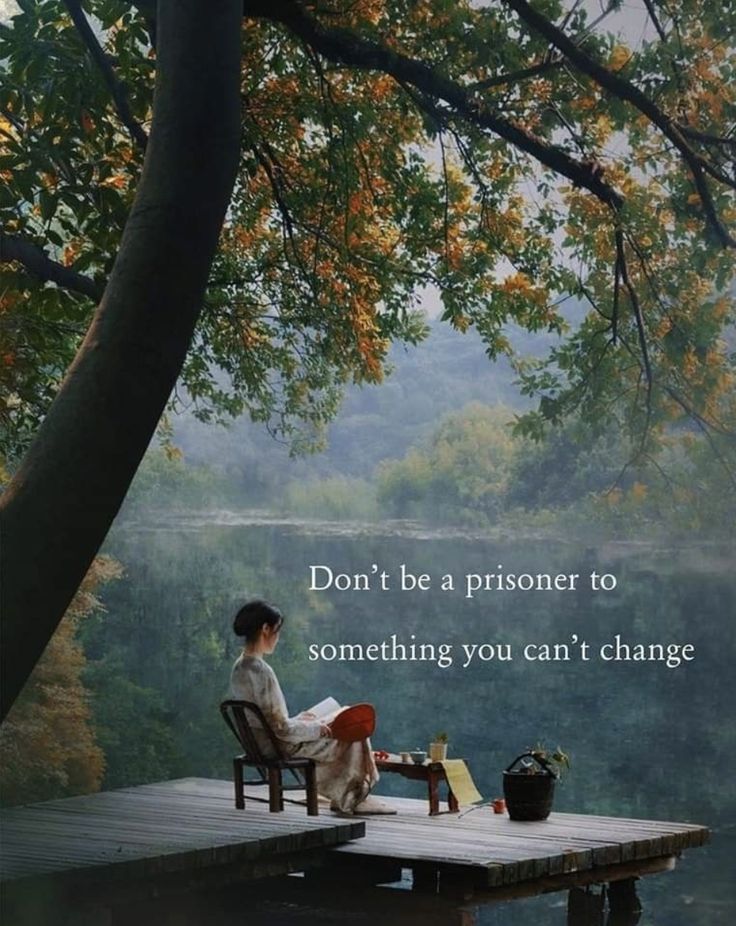
“Inner work helps us rise above our old conditioning so that we decrease the harm we recreate in our interactions. The outer work of collective action makes compassion structural — it helps us build a world where people can feel safe and have their material needs met without directly or indirectly harming one another. Self-awareness that becomes collective action is the medicine this earth needs.”
Yung Pueblo
“You may ask yourself: which comes first—inner work or working to make the world a better place? the answer is both can happen at the same time. We are all deeply imperfect and full of conditioning that clouds the mind. Inner work is a lifelong journey, and so we should not wait until we get to the ‘end’ of our healing to help others.”
Yung Pueblo
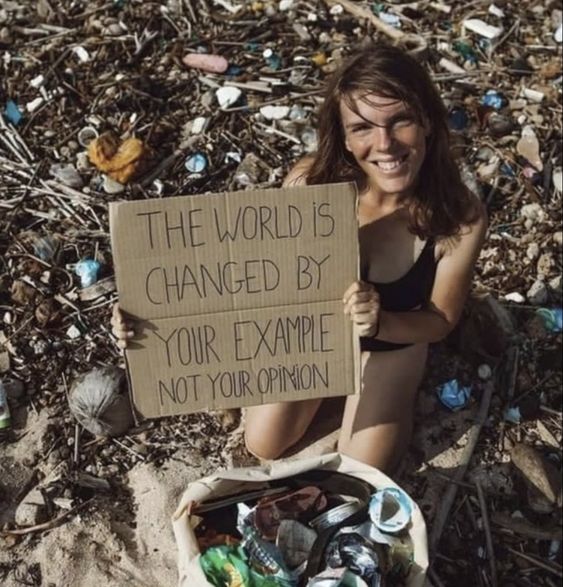
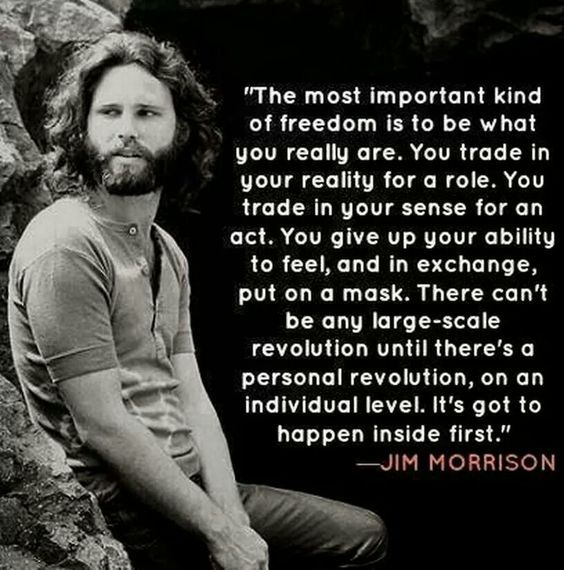
“Having a fluid sense of identity, where you allow yourself to change, leads to a happier life because you are moving with the natural flow of change as opposed to against it. You exist because of change. When you think about who you are at the ultimate level, you are essentially the coming together of physical and mental phenomena at incredibly fast speeds, from the cellular down to the subatomic, everything about you is in motion. This should inspire you to allow your preferences, likes, and dislikes to evolve over time. Don’t be attached to the old you, let the new you emerge.”
Yung Pueblo