“Be wary of liking or disregarding someone’s song simply because of who they are. Don’t allow prejudgments to close your mind. Keep your ears open and listen. Even liars can speak the truth, even friends can lead us astray. Hear the song, not the singer.”
Philip Toshio Sudo, Zen Guitar (Page 120)
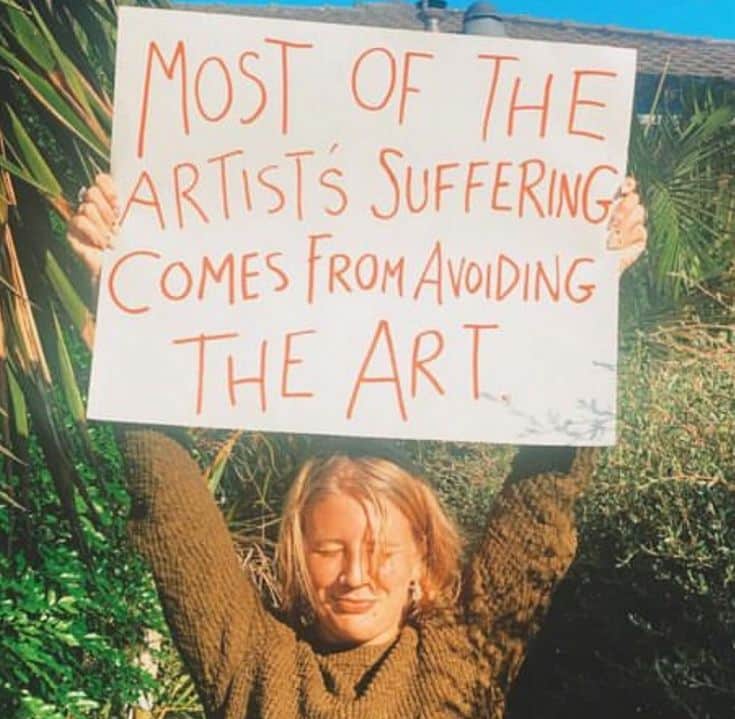
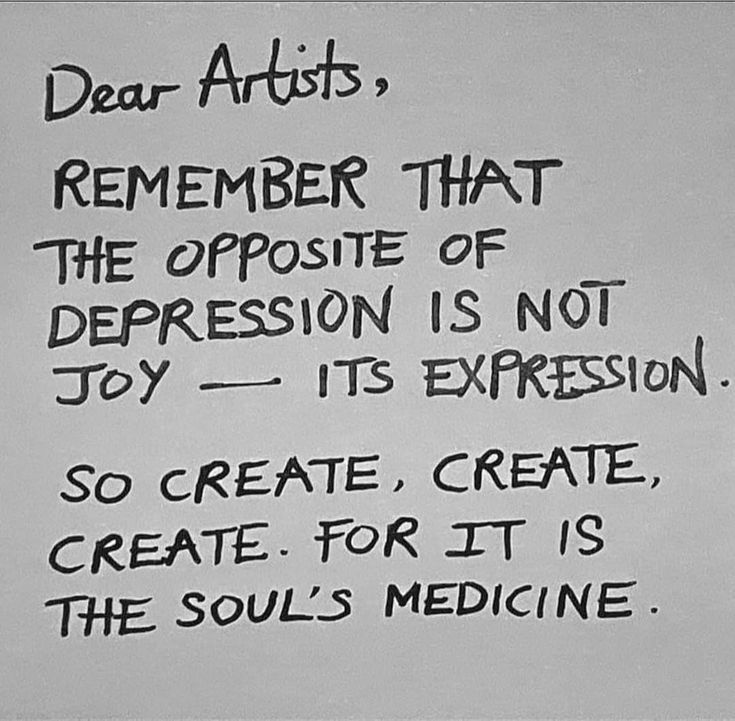
“When things fall apart, make art. Carry this spirit through to every area of your life.”
Philip Toshio Sudo, Zen Guitar (Page 54)
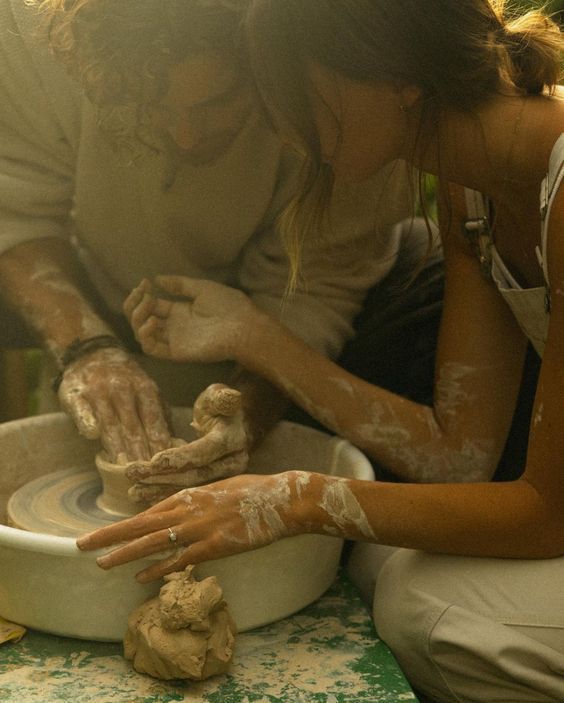
“Learn to identify quality and appreciate anything that’s well made, wherever you find it. Look deeply into the spirit that goes into making an item of quality—the care, the precision, the attention to detail. Incorporate that spirit into your work in this dojo. Anything you set out to make—music, love, a bookshelf, a meal—make as well as you can. To do otherwise is spiritless.”
Philip Toshio Sudo, Zen Guitar (Page 28)
“The great crime novelist Raymond Chandler set aside four hours each day where he had to be completely alone. During his solitude he gave himself permission not to write if he wasn’t feeling inspired. However, if he chose not to write, he had to sit in his writing chair and do nothing. Eventually, Chandler would become so goddamn bored doing nothing, he’d to write.”
Cole Schafer
“Achievements like the writing of books, the painting of pictures, and indeed all long and cumulative indivisual efforts, are greater than the individuals who produce them, if we view these individuals at any single point in time. For no one can in a single moment recall the multitude of shapes his mind took during the course of the work, or revive the various intensisties of passion and calm which injected themselves into its production, or glow with the incremental power built up by weeks or months of care. The work resembels not the partial man, alone within the minutes, but the whole man, incorporate in time.”
Robert Grudin, Time And The Art Of Living (Page 122)
“When I was writing, it was necessary for me to read after I had written. If you kept thinking about it, you would lose the thing that you were writing before you could go on with it the next day. It was necessary to get exercise, to be tired in the body, and it was very good to make love with whom you loved. That was better than anything. But afterwards, when you were empty, it was necessary to read in order not to think or worry about your work until you could do it again. I had learned already never to empty the well of my writing, in the deep part of the well, and let it refill at night from the springs that fed it.”
Ernest Hemingway, via A Moveable Feast


“Some days I show up and do the best writing of my life. Other days, many days, I show up and do writing that is underwhelmingly average (and reeking of a few typos). The lesson I hope you walk away with in watching me work is not that I am flawless, but that a deeply flawed individual can achieve something that transcends his lackluster abilities by simply showing up, again and again, over the course of a lifetime.”
Cole Schafer

“Develop your taste. Take a good, long look at anyone creating meaningful work. You will see that it wasn’t their skill that came first but their taste. With time, they became so inspired by their taste, that they wanted to create something themselves that could live up to it. In other words, they honed their skills to make something worthy of their taste. You shouldn’t be a snob about many things in life. Your taste, however, is an exception. Watch great films. Read gorgeous books. Spin brilliant records. Eat delicious food. Study extraordinary people. Consume. Consume. Consume. Develop your taste. Refine your palate. Your skills will follow.”
Cole Schafer

“The muses never bless the unfocused. And even if they did, how would they notice?”
Ryan Holiday, Discipline Is Destiny (Page 124)
“Be regular and orderly in your life, so that you may be violent and original in your work.”
Gustave Flaubert, via Discipline Is Destiny (Page 42) | Read Matt’s Blog on this quote ➜