
Archives

“Believe those who search for the truth; doubt those who have found it.”
André Gide, via Think Like A Monk (Page 196)
“When you ask for feedback, choose your advisors wisely. We commonly make one of two mistakes when we seek feedback: We either ask everyone for advice about one problem or we ask one person for advice about all of our problems. If you ask too broadly, you’ll get fifty-seven different options and will be overwhelmed, confused, and lost. On the other hand, if you drop all your dilemmas on one person, then they’ll be overwhelmed, unequipped, and at some point tired of carrying your baggage.”
Jay Shetty, via Think Like A Monk (Page 192)

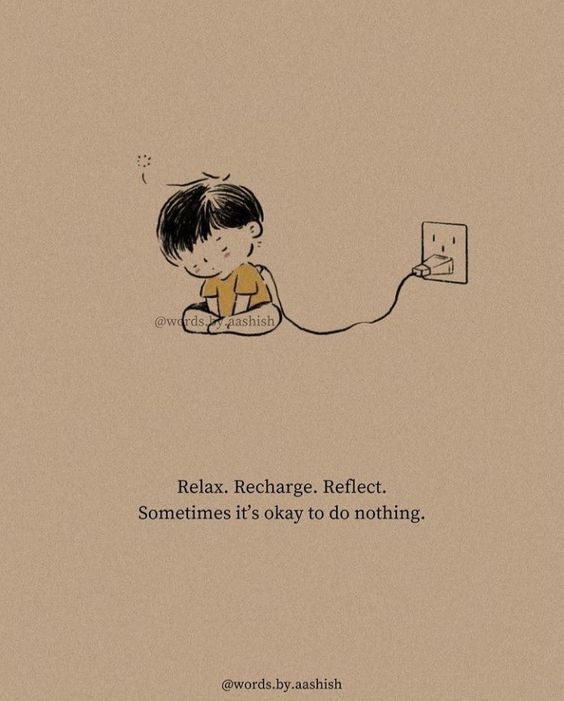

“Humility comes from accepting where you are without seeing it as a reflection of who you are. Then you can use your imagination to find success.”
Jay Shetty, via Think Like A Monk (Page 188)
“What belongs to you today, belonged to someone yesterday and will be someone else’s tomorrow.”
Unknown, via Think Like A Monk (Page 185)


“We only notice salt when there is too much of it in our food, or not enough. Nobody ever says, ‘Wow, this meal has the perfect amount of salt.’ When salt is used in the best way possible, it goes unrecognized. Salt is so humble that when something goes wrong, it takes the blame, and when everything goes right, it doesn’t take credit.”
Radhanath Swami, via Think Like A Monk (Page 185)
“At the ashram, the most straightforward path to humility was through simple work, menial tasks that didn’t place any participant at the center of attention. We washed huge pots with hoses, pulled weeds in the vegetable garden, and washed down the squat toilets—the worst! The point wasn’t just to complete the work that needed to be done. It was to keep us from getting big-headed. Some tasks build competence, and some build character.”
Jay Shetty, via Think Like A Monk (Page 178)
“People are very absolutist. They think in terms of absolutes: This is truth and whatever is against it is wrong. This attitude has crippled the whole earth—Hindus and Muslims and Christians are all fighting because everybody claims the absolute truth. But nobody has any claim on it. It is nobody’s monopoly. Truth is vast. Infinite are its facets and infinite are the ways to know it. Whatever we know is limited; it is just one part.”
Osho, Everyday Osho (Page 82)


“In the act of criticizing others for failing to live up to higher standards, we ourselves are failing to live up to the highest standards.”
Jay Shetty, via Think Like A Monk (Page 178)