
“Some restaurants keep a photo of the local reviewer in the kitchen. The thinking is that if someone notices she’s in the building, everyone can up their game. And some musicians wait eagerly for A&R person to be in the crowd. If they really kill it tonight, a record deal might ensue. The most resilient approach, of course, is to act as if. What if this is your most important post, or your last one? What if the email you’re sending is going to be forwarded to your boss? What if… We can’t know for sure. But we can act as if it’s going to happen.”
Seth Godin
Archives
“We figured that maybe if we were busy taking in a place neither of us had ever been, we could manage to forget, just for a moment, how much our lives had fallen apart.”
Michelle Zauner, Crying in H Mart (Page 171)
“It was comforting to hold her work in my hands, to envision my mother prior to pain and suffering, relaxing with a paintbrush in my hand, surrounded by close friends. I wondered if making art had been therapeutic for her, helped her navigate the existential dread that came with Eunmi’s death. I wondered if the late bloom of her creative interests had shed light on my own artistic impulses. If my own creativity had come from her in the first place. If in another life, if circumstances had been different, she might have been an artist, too.”
Michelle Zauner, Crying in H Mart (Page 168)
“False happiness [is] even worse than real sadness, because at least in that sadness there is a reality. If you are sad—but truly and sincerely sad—that sadness will enrich you. It gives you a depth, an insight. It makes you aware of life and its infinite possibilities and of the limits of the human mind, the smallness of human consciousness encountering the infinity all around, the fragile life always surrounded by death. When you are really sad you become aware of all these things. You become aware that life is not just life—it is death too.”
Osho, Everyday Osho (Page 217)



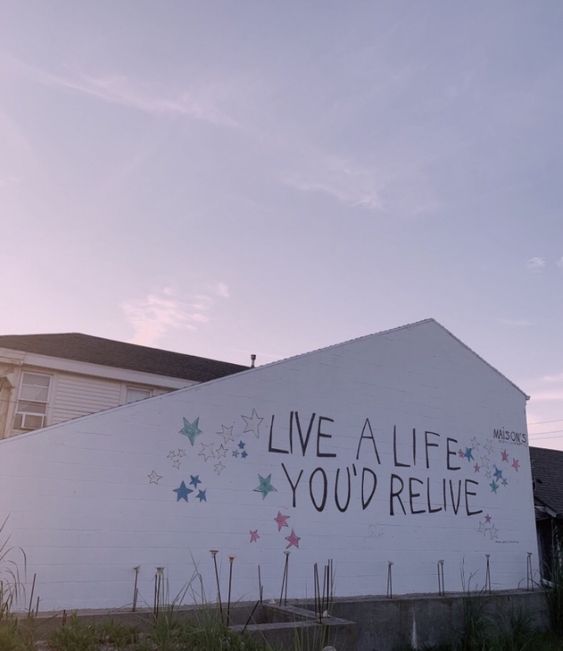
“When one person collapses [from grief], the other instinctively shoulders their weight.”
Michelle Zauner, Crying in H Mart (Page 153)
“It was difficult to write about someone I felt I knew so well. The words were unwieldy, engorged with pretension. I wanted to uncover something special about her that only I could reveal. That she was so much more than a housewife, than a mother. That she was her own spectacular individual. Perhaps I was still sanctimoniously belittling the two roles she was ultimately most proud of, unable to accept that the same degree of fulfillment may await those who wish to nurture and love as those who seek to earn and create. Her art was the love that beat on in her loved ones, a contribution to the world that could be just as monumental as a song or a book. There could not be one without the other. Maybe I was just terrified that I might be the closest thing she had to leaving a piece of herself behind.”
Michelle Zauner, Crying in H Mart (Page 159)
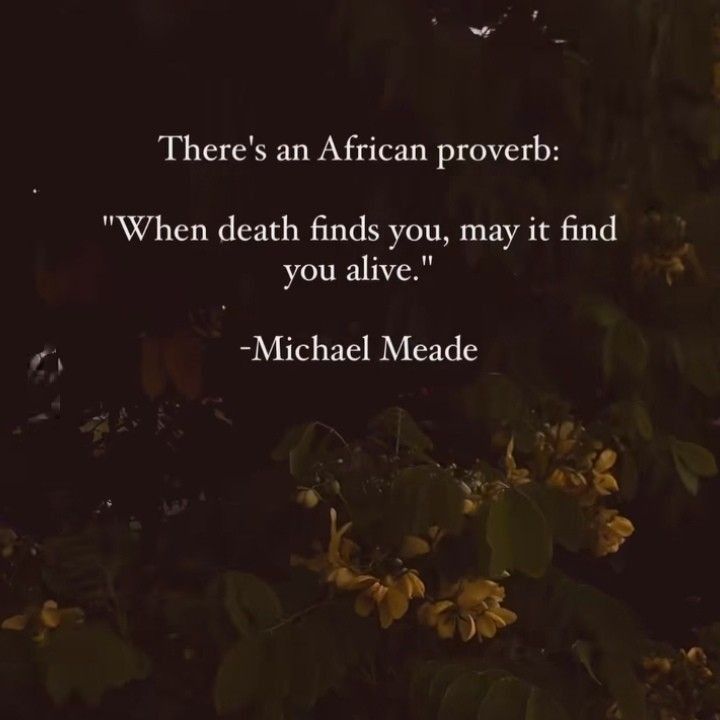
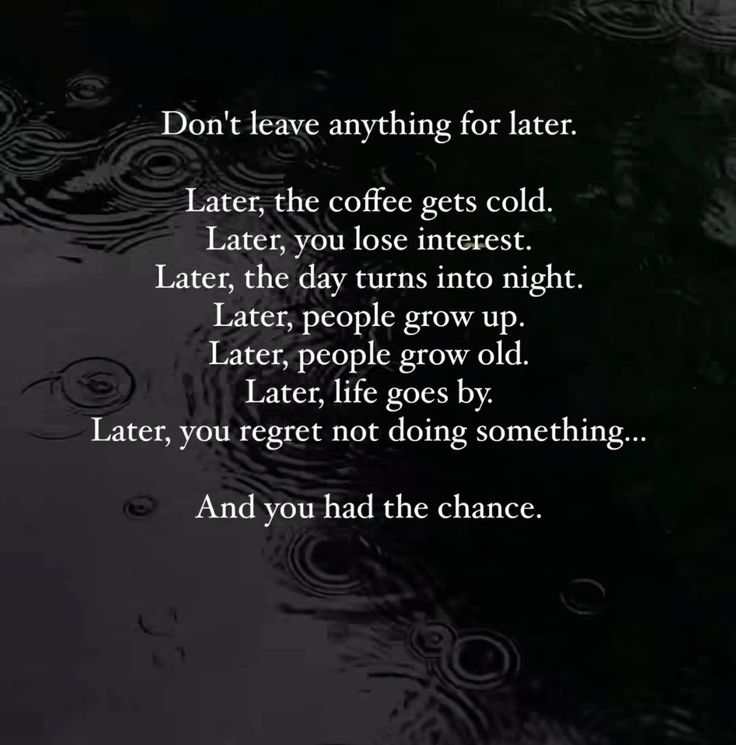
“Great song is possible, great richness is possible, but one has to start exploring. And the best way to explore the song of one’s life is to love; that is the very methodology. Just as logic is the methodology of science, love is the methodology of the spirit. Just as logic makes you capable of going deeper and deeper into matter, love makes you capable of going deeper and deeper into consciousness. And the deeper you go, the deeper songs are released. When one has reached the very core of one’s being, the whole of life becomes a celebration, an utter celebration.”
Osho, Everyday Osho (Page 215)
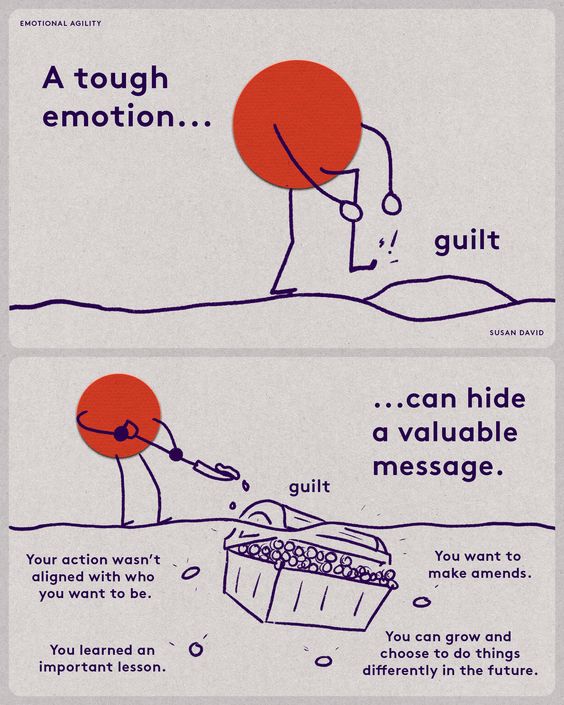

“If life is fair, and it will be, it will serve you immeasurable beauties, joys and pleasures—you will feel at times that you do not have the capacity to take them in. You will. Our hearts they are boundless. If life is fair, and it will be, it will bring you huge, merciless sorrows. Devastations of your boundless heart. I wish for you the grace to persevere and accept them across time, for that is the only way these kinds of things can be taken in. A wise and articulate student once told me that struggle is vital. For all of the mundane days in between joy and sorrow? Persevere.”
Dan Weiss | Read Matt’s Blog on this Quote ➜