
Archives
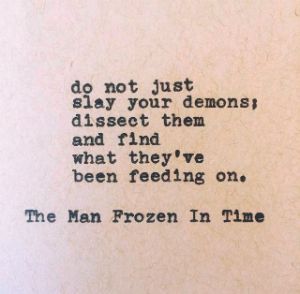
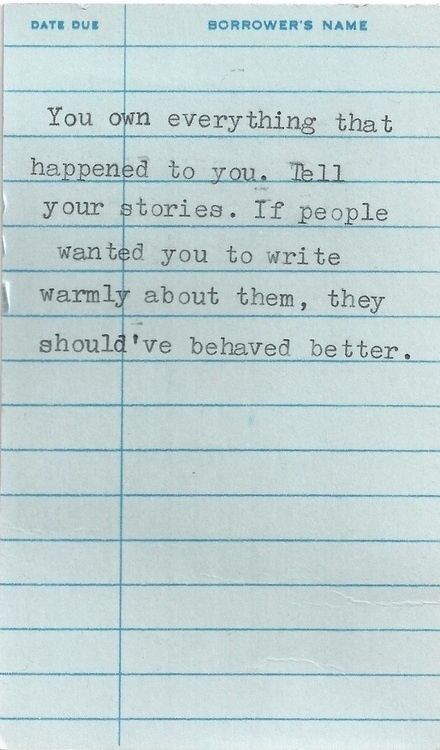
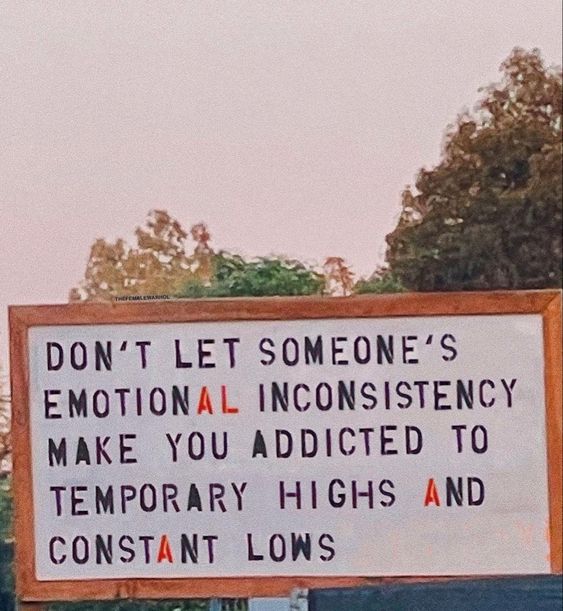
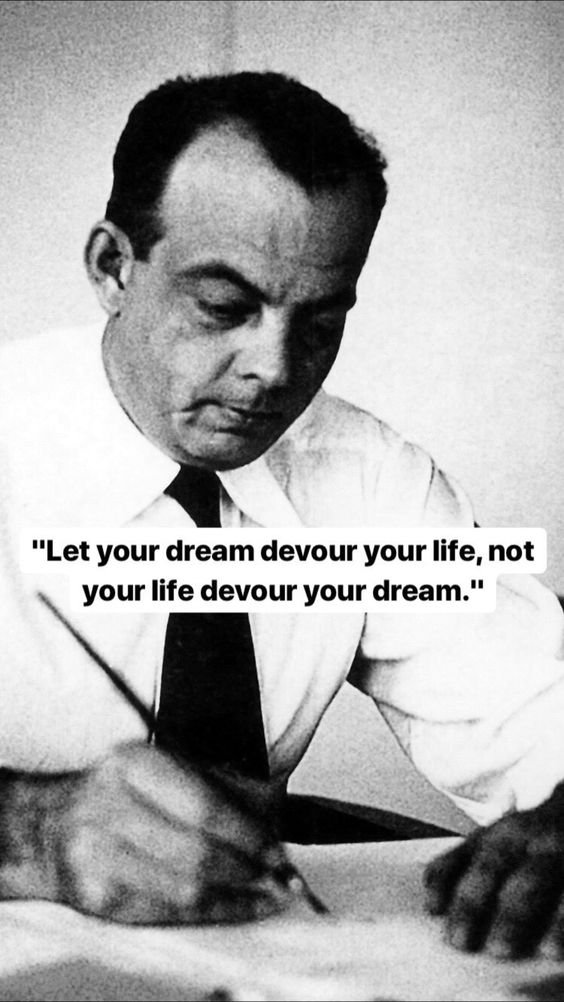
“Inner success is the ability to love yourself completely, to do the work to feel whole and at home within your being, and to decrease the tension in your mind that you have accumulated over the years. Inner success is a deep sense of inner peace and joy that emerges after you have unbound the layers of trauma and old hurt that get in the way of you feeling like the best version of yourself. Outer success is the ability to accomplish the goals that arise in your mind. Specifically, the goals that stand above simple desires, goals that have the power to move your life in a more positive direction. Usually, these goals are in reference to external things like your professional life, creating a good community for yourself, pursuing healthy relationships, and more. Outer success is when you deeply realize that all you can control are your own actions and you turn this into your superpower so you can design your life in the way that you think is ideal. “
Yung Pueblo

20 Heavy Michelle Zauner Quotes from Crying In H Mart on Cancer and Grief

Excerpt: An honest and raw collection of Michelle Zauner quotes from Crying in H Mart on grief and what it was like losing her mom and aunt to cancer.
Read More »20 Heavy Michelle Zauner Quotes from Crying In H Mart on Cancer and Grief
“It took me years to learn to finish a project. In other words, to develop killer instinct. Seth Godin prefers the verb ‘ship.’ He means if we’ve been designing the new iPhone for the past eight years and it’s finally ready… Ship it! That’s killer instinct. What, exactly, are we ‘killing’? We’re killing Resistance. We’re sinking our dagger into the insidious, pernicious, rotten, sneaky, evil force of our own self-sabotage. Our own hesitation. Our own fear of success (or failure). Killer instinct is not negative when we use it to finish off a book, a screenplay, or any creative project that is fighting us and resisting us to the bitter end.”
Steven Pressfield, Put Your Ass Where Your Heart Wants To Be (Page 121)
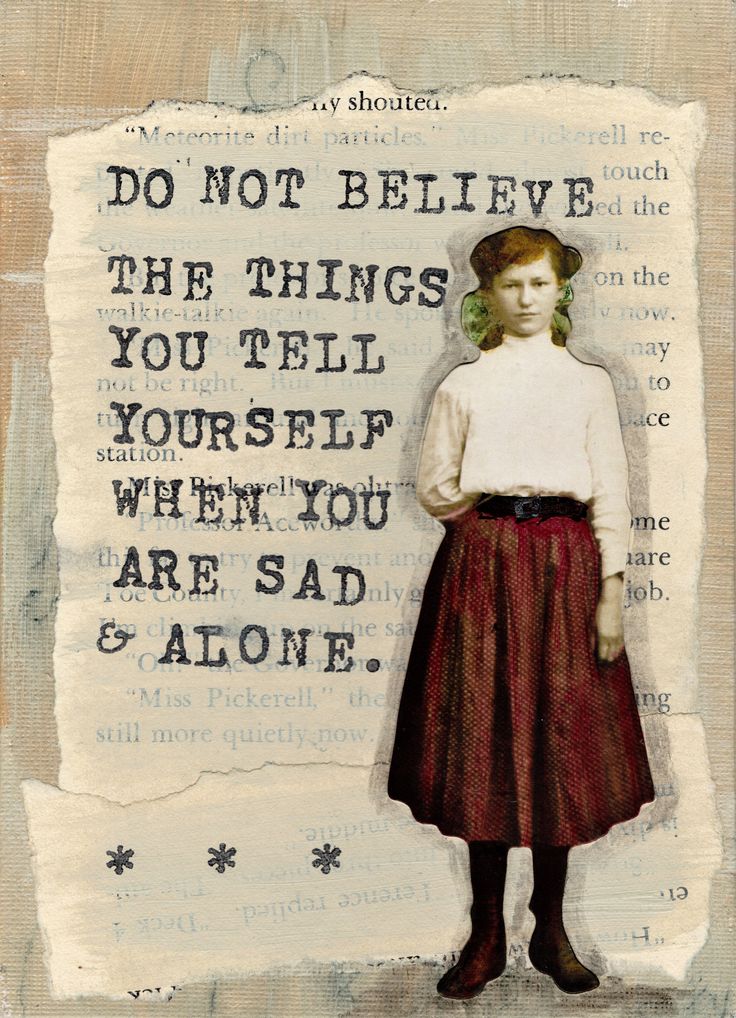
“To be loved and to love is almost spiritual breathing. The body cannot live without breath, and the spirit cannot live without love.”
Osho, Everyday Osho (Page 236)
“What fascinates me about the character of Alexander the Great is that he seemed to see the future with such clarity and such intensity as to make it virtually impossible that it would not come true—and that he would be the one to make it so. That’s you and me at the inception of any creative project. The book/ screenplay/ nonprofit/ start-up already exists in the Other World. Your job and mine is to bring it forth in this one.”
Steven Pressfield, Put Your Ass Where Your Heart Wants To Be (Page 104)
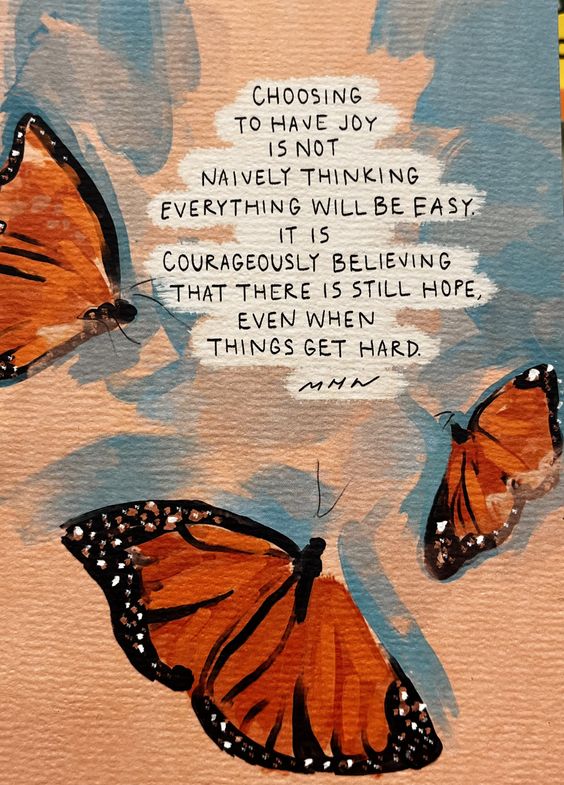
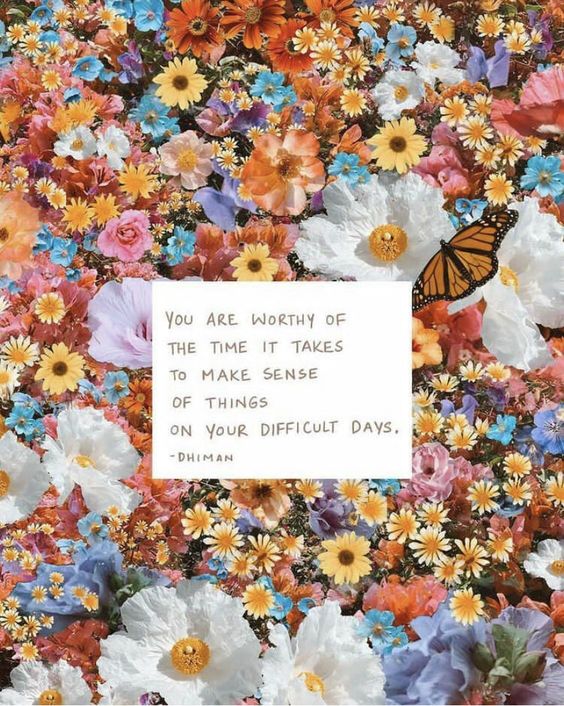
“For writers and artists, the ability to self-reinforce is more important than talent. What exactly is reinforcement? It’s when your coach or mentor tugs you aside and tells you how well you are doing, how proud of you they are, and how certain they are that ultimate success will be yours if you just stay who you are and keep doing what you’re doing. That’s reinforcement. Can you tell yourself that? Without a coach? Without a mentor? Can you be your own coach and mentor? That’s self-reinforcement. When we say, ‘Put your ass where your heart wants to be,’ we also mean keep it there. Self-reinforcement keeps us there. It keeps us committed over the long-haul.”
Steven Pressfield, Put Your Ass Where Your Heart Wants To Be (Page 95)
“When I finish the day’s work, I turn my mind off. The office is closed. The work has been handed off to the Unconscious, to the Muse. I respect her. I give her her time. If I see family or friends, I never talk about what I’m working on. I politely deflect any queries. But beyond not talking with others, I refuse to talk to myself. I don’t obsess. I don’t worry. I don’t second-guess. I let it rest. The office is closed.”
Steven Pressfield, Put Your Ass Where Your Heart Wants To Be (Page 79)
“Work is good, but it should not become an addiction. Many people have turned their work into a drug so that they can forget themselves in it—just like a drunkard forgetting himself in alcohol. One should be as capable of nondoing as of doing—then one is free. One should be capable of sitting, not doing anything, as perfectly and beautifully and blissfully as when one is working hard and doing many things; then one is flexible.
Osho, Everyday Osho (Page 235)