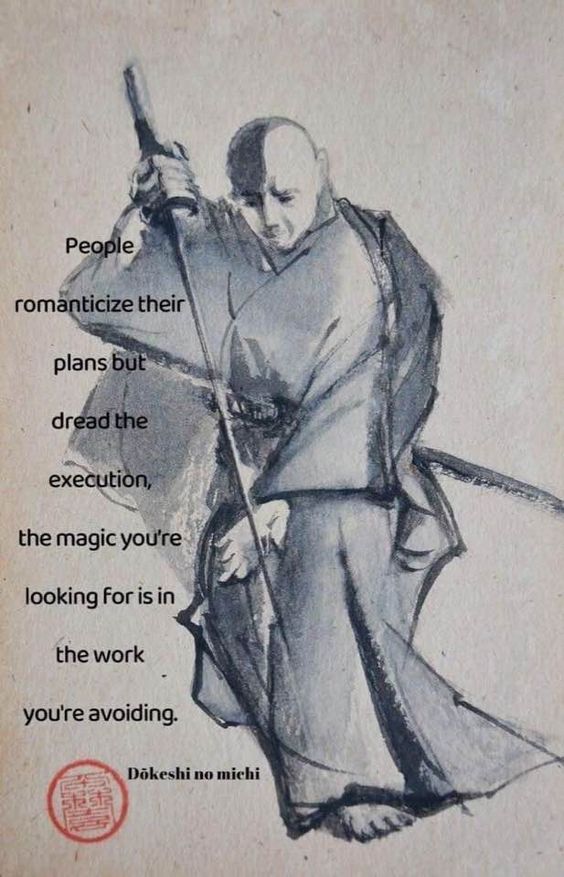
“The road to hell is paved with good intentions.”
Unknown, via No Excuses! (Page 2)
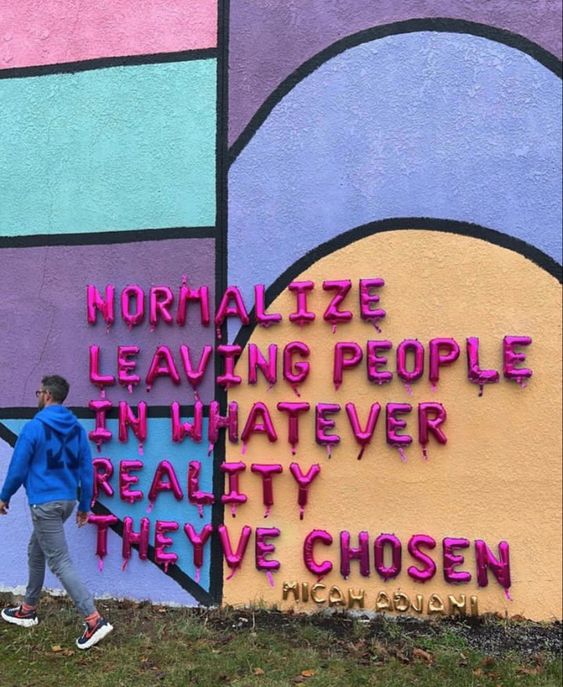
“Healing ourselves isn’t about constantly feeling bliss, being attached to bliss is a bondage of its own. Trying to force ourselves to be happy is counterproductive, because it suppresses the sometimes tough reality of the moment, pushing it back within the depths of our being, instead of allowing it to arise and release. Healing ourselves is the personal movement we embark on to let go of all the conditioning that limits our freedom; in this journey there will undoubtedly be moments of bliss and difficulty. Real happiness and wisdom grow from the reality we experience, not from the fleeting moments of bliss that we feel.”
Yung Pueblo
“Your inner doom & gloom thoughts and feelings have no power over you unless you give it away. It’s possible to make mistakes and still be accepted and valued for who you are. It’s also possible to not be at your best and still make an impact. Hopefully, knowing this activates a sense of freedom that allows you to enjoy yourself more in all you do.”
Nat Couropmitree

No Excuses [Book]
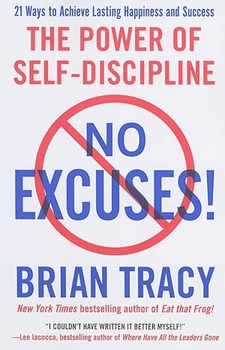
Book Overview: Most people think success comes from good luck or enormous talent, but many successful people achieve their accomplishments in a simpler way: through self-discipline. No Excuses! shows you how you can achieve success in all three major areas of your life, including your personal goals, business and money goals, and overall happiness. Each of the 21 chapters in this book shows you how to be more disciplined in one aspect of your life, with end-of-chapter exercises to help you apply the “no excuses” approach to your own life. With these guidelines, you can learn how to be more successful in everything you do –instead of wistfully envying others you think are just “luckier” than you. A little self-discipline goes a long way — so stop making excuses and read this book!
Post(s) Inspired by this Book:
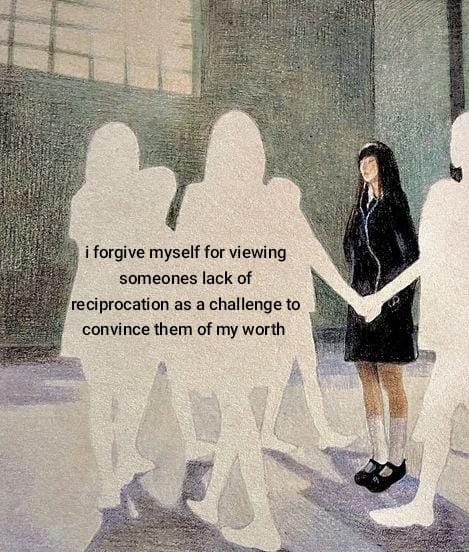
“We are often drawn to chaotic romantic partners because their chaos guarantees that we will always feel needed. In contrast, dating someone with their shit together is, in some ways, terrifying—they are so functional and self-sufficient and self-contained, how could we ever know that they need us? The answer is: they don’t need us. Yet they choose to spend their life with us anyway. And that is far more powerful.”
Mark Manson