“Denying negative emotions leads to experiencing deeper and more prolonged negative emotions and to emotional dysfunction. Constant positivity is a form of avoidance, not a valid solution to life’s problems—problems which, by the way, if you’re choosing the right values and metrics, should be invigorating you and motivating you.” ~ Mark Mason, The Subtle Art of Not Giving a F*ck


10 Eye-Opening David Deida Quotes from The Way of the Superior Man
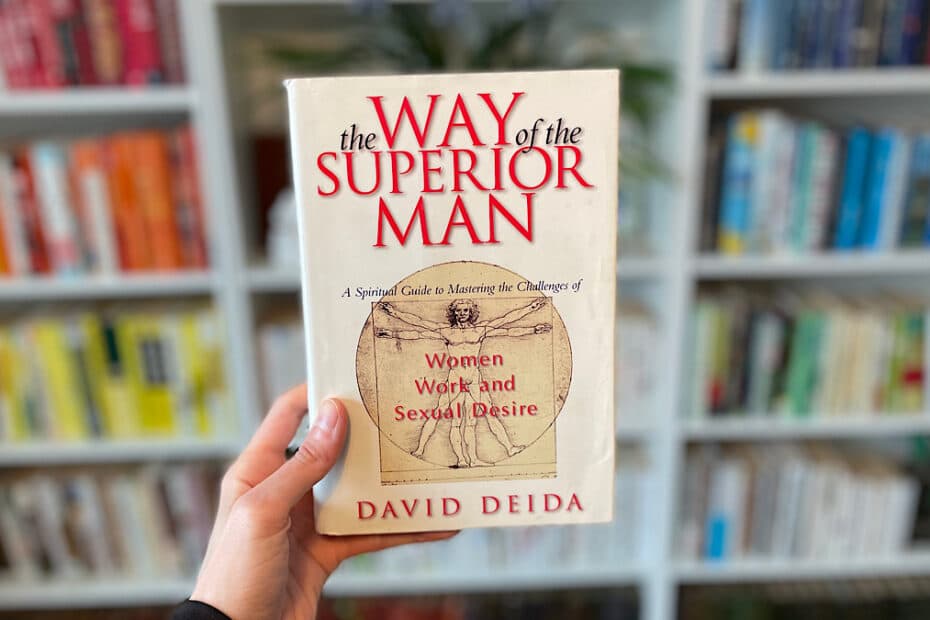
Excerpt: “It is time to evolve beyond the macho jerk ideal, all spine and no heart.” Go deeper and read our quotes from The Way of the Superior Man.
Read More »10 Eye-Opening David Deida Quotes from The Way of the Superior Man
“I have found that battling despair does not mean closing my eyes to the enormity of the tasks of effecting change, nor ignoring the strength and the barbarity of the forces aligned against us. It means teaching, surviving and fighting with the most important resource I have, myself, and taking joy in that battle. It means, for me, recognizing the enemy outside and the enemy within, and knowing that my work is part of our power, and knowing that this work did not begin with my birth nor will it end with my death. And it means knowing that within this continuum, my life and my love and my work has particular power and meaning relative to others. It means trout fishing on the Missisquoi River at dawn and tasting the green silence, and knowing that this beauty too is mine forever.” ~ Audre Lorde, The Cancer Journals

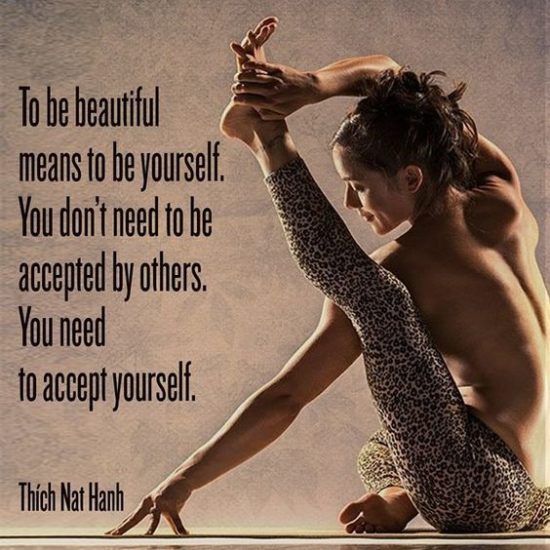


How to Handle Anger – A Mindfulness Exercise from Thich Nhat Hanh [Excerpt]
![How to Handle Anger - A Mindfulness Exercise from Thich Nhat Hanh [Excerpt]](https://movemequotes.com/wp-content/uploads/2017/01/IMG_0273-930x620.jpg)
Excerpt: Learning how to handle anger is a crucial skill for managing relationships with yourself and others. Thich Nhat Hanh can help…
Read More »How to Handle Anger – A Mindfulness Exercise from Thich Nhat Hanh [Excerpt]
“Research shows that once one is able to provide for basic physical needs (food, shelter, and so on), the correlation between happiness and worldly success quickly approaches zero. So if you’re starving and living on the street in the middle of India, an extra ten thousand dollars a year would affect your happiness a lot. But if you’re sitting pretty in the middle class in a developed country, an extra ten thousand dollars per year won’t affect anything much—meaning that you’re killing yourself working overtime and weekends for basically nothing.” ~ Mark Mason, The Subtle Art of Not Giving a F*ck
“Problems may be inevitable, but the meaning of each problem is not. We get to control what our problems mean based on how we choose to think about them, the standard by which we choose to measure them.” ~ Mark Mason, The Subtle Art of Not Giving a F*ck
“The rare people who do become truly exceptional at something do so not because they believe they’re exceptional. On the contrary, they become amazing because they’re obsessed with improvement. And that obsession with improvement stems from an unerring belief that they are, in fact, not that great at all. It’s anti-entitlement. People who become great at something become great because they understand that they’re not already great—they are mediocre, they are average—and they could be so much better.” ~ Mark Mason, The Subtle Art of Not Giving a F*ck
“The truth is that there’s no such thing as a personal problem. If you’ve got a problem, chances are millions of other people have had it in the past, have it now, and are going to have it in the future. Likely people you know too. That doesn’t minimize the problem or mean that it shouldn’t hurt. It doesn’t mean you aren’t legitimately a victim of some circumstances. It just means you’re not special. Often, it’s this realization—that you and your problems are actually not privileged in their severity or pain—that is the first and most important step toward solving them.” ~ Mark Mason, The Subtle Art of Not Giving a F*ck