“The difference between the neurotic and the creative is that the neurotic is precisely the one who cannot create. He cannot marshal a response. Both the artist and the neurotic are really sensitive. They both are overwhelmed by the world. They both take in the world and are wrestling with the world. But, the artist takes that in and reworks it into an active work project—there is kind of a feedback loop, a circularity. There’s a response that says, ‘I am here. I felt this. And it matters.’ And it is in the ability to respond to that experience that solicits a kind of exorcism that frees you from your demons. The neurotic cannot do that. So he chokes on his introversions.”
Jason Silva, via Aubrey Marcus Podcast
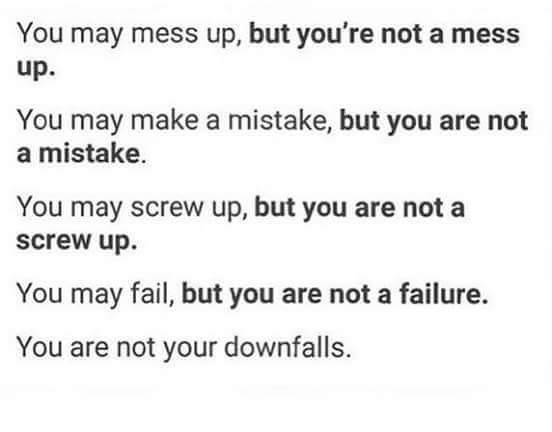
“On every trip to Kya’s, Tate took school or library books, especially on marsh creatures and biology. Her progress was startling. She could read anything now, he said, and once you can read anything you can learn everything. It was up to her. ‘Nobody’s come close to filling their brains,’ he said. ‘We’re all like giraffes not using their necks to reach the higher leaves.'”
Delia Owens, Where The Crawdads Sing (Page 131)
“And just at that second, the wind picked up, and thousands upon thousands of yellow sycamore leaves broke from their life support and streamed across the sky. Autumn leaves don’t fall; they fly. They take their time and wander on this, their only chance to soar. Reflecting sunlight, they swirled and sailed and fluttered on the wind drafts.”
Delia Owens, Where The Crawdads Sing (Page 124)
“Just as she cast, a stick snapped behind her. She jerked her head around, searching. A footfall in brush. Not a bear, whose large paws squished in debris, but a solid clunk in the brambles. Then the crows cawed. Crows can’t keep secrets any better than mud; once they see something curious in the forest they have to tell everybody. Those who listen are rewarded: either warned of predators or alerted to food. Kya knew something was up.”
Delia Owens, Where The Crawdads Sing (Page 86)
“As we begin to make progress in our lives, we’ll encounter the limitations of the people around us. It’s like a diet. When everyone is eating unhealthy, there is a kind of natural alignment. But if one person starts eating healthy, suddenly there are opposing agendas. Now there’s an argument about where to go for dinner. Just as you must not abandon your new path simply because other people may have a problem with it, you must not abandon those other folks either. Don’t simply write them off or leave them in the dust. Don’t get mad or fight with them. After all, they’re at the same place you were not long ago.”
Ryan Holiday, The Daily Stoic (Page 214)
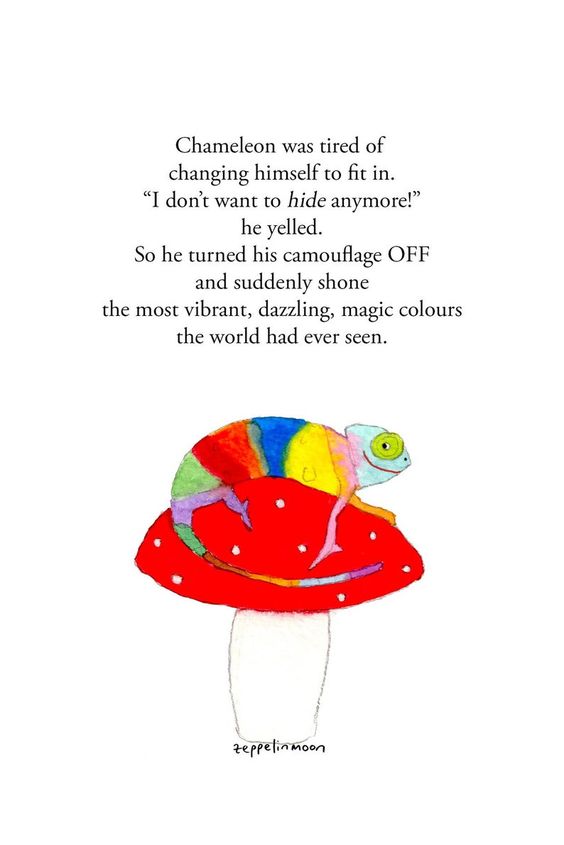
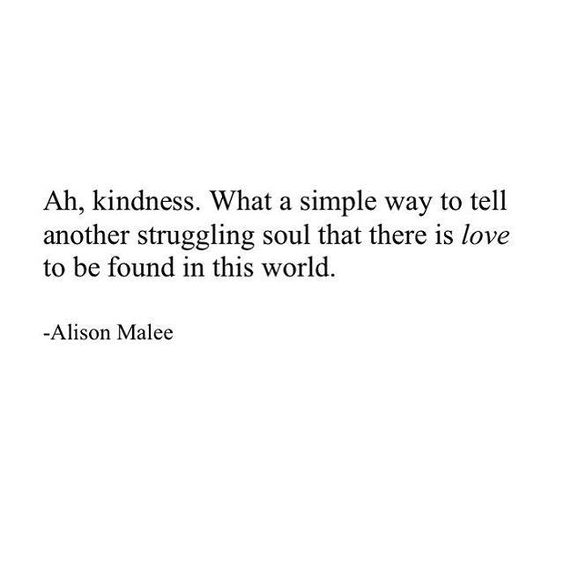
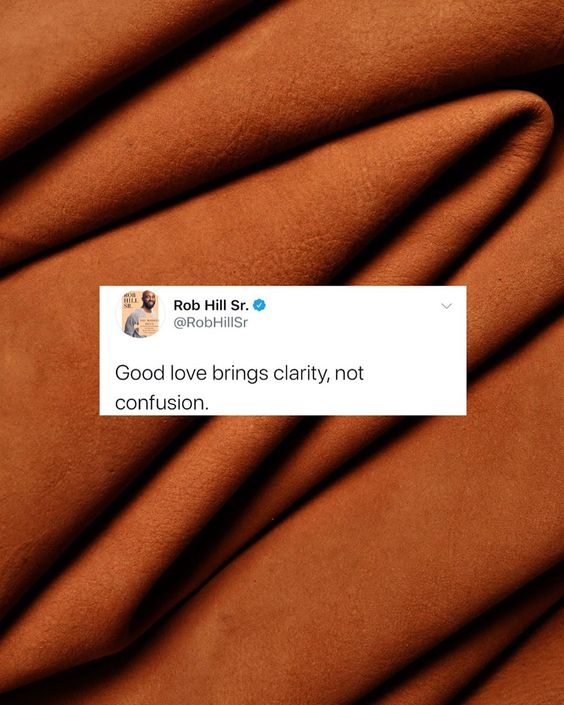
“Alone, she’d been scared, but that was already humming as excitement. There was something else, too. The calmness of the boy. She’d never known anybody to speak or move so steady. So sure and easy. Just being near him, and not even that close, had eased her tightness. For the first time since Ma and Jodie left, she breathed without pain; felt something other than the hurt.”
Delia Owens, Where The Crawdads Sing (Page 46)
“When in trouble, just let go. Go back to idle.”
Delia Owens, Where The Crawdads Sing (Page 41) | Read Matt’s Blog on this quote ➜
“When you’ve done well and another has benefited by it, why like a fool do you look for a third thing on top—credit for the good deed or a favor in return?”
Marcus Aurelius, Meditations, via The Daily Stoic (Page 212)
“Great teachers are usually hardest on their most promising students. When teachers see potential, they want it to be fully realized. But great teachers are also aware that natural ability and quick comprehension can be quite dangerous to the student if left alone. Early promise can lead to overconfidence and create bad habits. Those who pick things up quickly are notorious for skipping the basic lessons and ignoring the fundamentals. Don’t get carried away. Take it slow. Train with humility.”
Ryan Holiday, The Daily Stoic (Page 211)