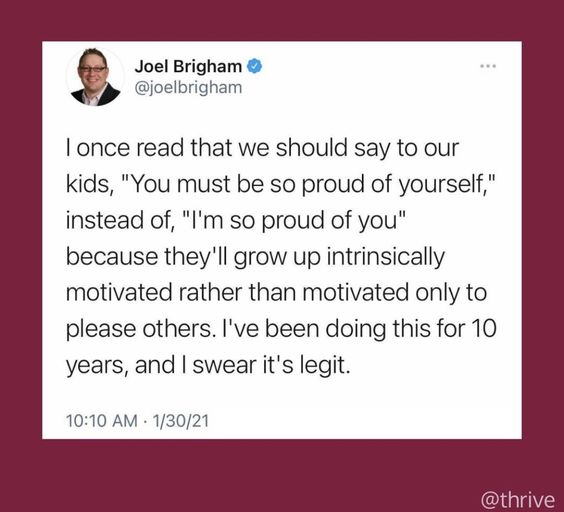
“We begin life with the world presenting itself to us as it is. Someone—our parents, teachers, analysts—hypnotizes us to ‘see’ the world and construe it in the ‘right’ way. These others label the world, attach names and give voices to the beings and events in it, so that thereafter, we cannot read the world in any other language or hear it saying other things to us. The task is to break the hypnotic spell, so that we become undeaf, unblind, and multilingual, thereby letting the world speak to us in new voices and write all its possible meaning in the new book of our existence. Be careful in your choice of hypnotists.”
Sidney Jourard, via Sunbeams (Page 120)

“She knew the years of isolation had altered her behavior until she was different from others, but it wasn’t her fault she’d been alone. Most of what she knew, she’d learned from the wild. Nature had nurtured, tutored, and protected her when no one else would. If consequences resulted from her behaving differently, then they too were functions of life’s fundamental core.”
Delia Owens, Where The Crawdads Sing (Page 363)
“Some people are sharp and others dull; some are raised in a better environment, others in worse, the latter, having inferior habits and nurture, will require more by way of proof and careful instruction to master these teachings and to be formed by them—in the same way that bodies in a bad state must be given a great deal of care when perfect health is sought.”
Musonius Rufus, via The Daily Stoic (Page 225)
“It’s easy to imagine that over there, just a few steps ahead, our problems will disappear. Pessimists, of course, are sure that instead of disappearing, tomorrow will make things worse. The truth is pretty simple: All we do, all we ever do, is trade one set of problems for another. Problems are a feature. They’re the opportunity to see how we can productively move forward. Not to a world with no problems at all, but to a situation with different problems, ones that are worth dancing with.”
Seth Godin, Blog
“Tate remembered his dad’s definition of a man: one who can cry freely, feel poetry and opera in his heart, and do whatever it takes to defend a woman.”
Delia Owens, Where The Crawdads Sing (Page 356)
“She knew his favorite lagoons and paths through difficult quagmires; always following him at a safe distance. Sneaking about, stealing love. Never sharing it. You can’t get hurt when you love someone from the other side of an estuary.”
Delia Owens, Where The Crawdads Sing (Page 354)
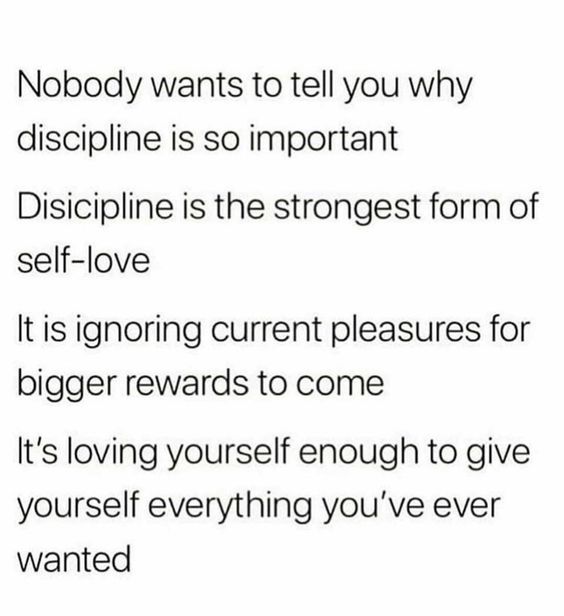
“[Real virtue] is its own reward. Virtue is the one good that reveals itself to be more than we expect and something that one cannot have in degrees. We simply have it or we don’t. And that is why virtue—made up as it is of justice, honesty, discipline, and courage—is the only thing worth striving for.”
Ryan Holiday, The Daily Stoic (Page 224)
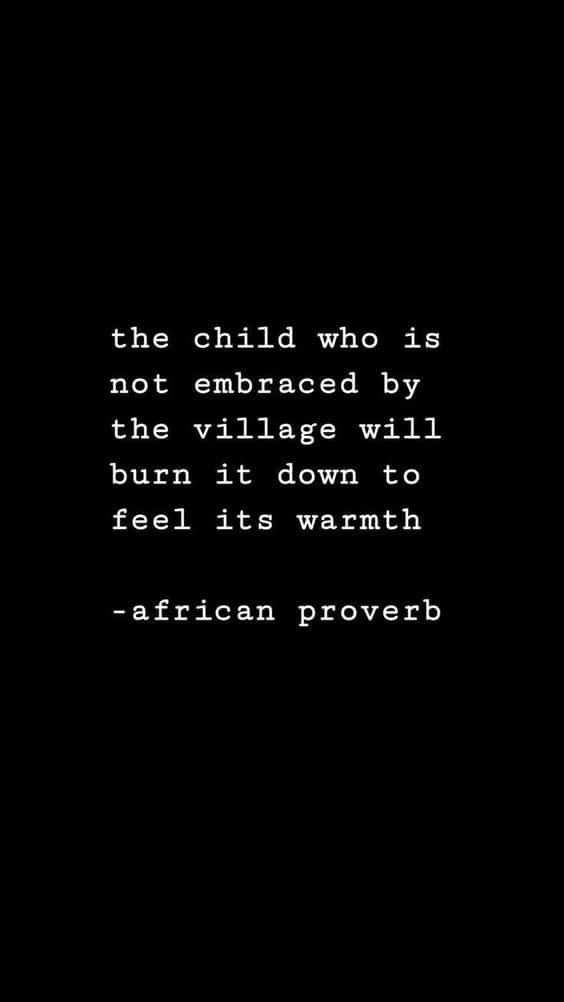
“Did we exclude Miss Clark because she was different, or was she different because we excluded her? If we had taken her in as one of our own I think that is what she would be today. If we had fed, clothed, and loved her, invited her into our churches and homes, we wouldn’t be prejudiced against her.”
Delia Owens, Where The Crawdads Sing (Page 340)