“Someone told me once that every person has an element of good and an element of bad within him, and that either the good or the bad can be manifested according to the person’s mood. We possess within us two different ways of understanding this world. One is the feeling of being divided, distanced, and alienated from each other; in this state, all things seem gloomy to us. We feel nothing except jealousy, indifference, and hatred. I would like to call the opposite way of understanding the understanding of universal unification. In this state, all people seem very close to us, and all are equal among themselves. This state, therefore, arouses compassion and love in us.”
Arthur Schopenhauer, A Calendar of Wisdom (Page 241)
“I think when a couple marry, they either go into heaven or live in hell. They may live a fairy-tale-like life, or they may suffer a lot. I am a fortunate man. I am fortunate not because my films have broken box-office records in various parts of the world, but because I have a good wife, Linda. She is unsurpassed. Why do I say this? First, I believe a couple should develop a kind of friendship. Linda and I have this kind of friendship. We understand each other, like a pair of good friends. We thus can spend our time together happily. My wife is the luckiest thing that ever happened to me—not The Big Boss.”
Bruce Lee, Striking Thoughts (Page 66)
“All other arguments against meat eating, no matter how strong they are are meaningless in relation to the fact that animals have the same life spirit that exists in us. We should feel that by taking an animal life we commit something close to suicide. No other argument against meat eating is necessary for those who have this inner feeling.”
Leo Tolstoy, A Calendar of Wisdom (Page 240)

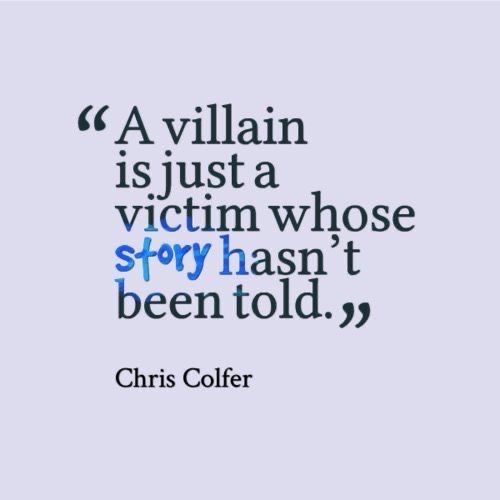
“Successful people say no to almost everything.”
Dru Riley, Blog
“Not wanting something is as good as having it.”
Dru Riley, Blog