
“The will to win is wasted if it is directed towards trivial affairs.”
James Clear, Blog
Archives
“If you’re sticking with a job, even though it’s making you miserable, because you think that grit is the same thing as character and that it is weak-willed to walk away from something—the problem is you forget that you’ll be walking towards something. And the thing that you would be walking towards could actually be a lot better. And so sticking has the associative cost of not just the misery you’re currently feeling in that horrible job but also all the happiness you could be gaining from the other things you could be doing.”
Annie Duke
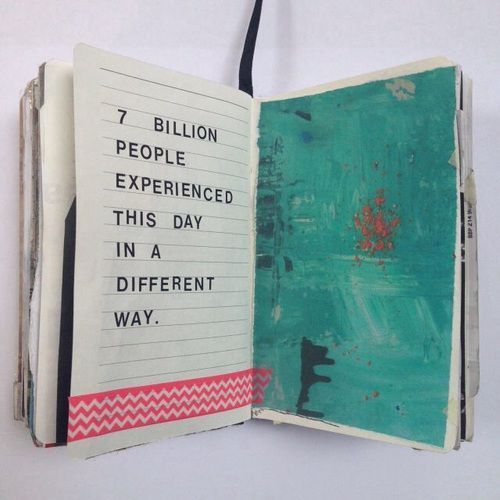
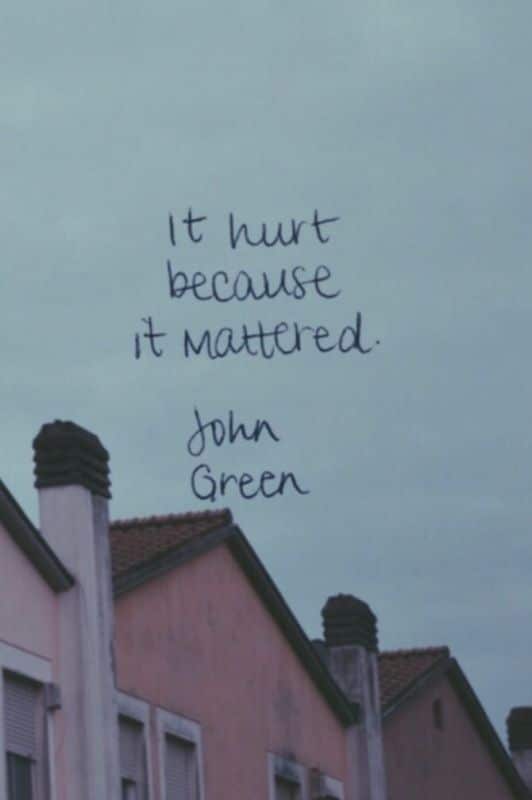
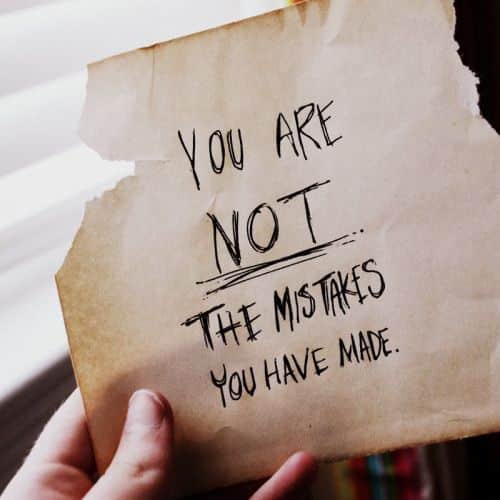
“Without altering the facts of the situation I am facing and without ignoring the reality of what must be done, what is the most useful and empowering story I can tell myself about what is happening and what I need to do next?”
James Clear, Blog
“One of the great gifts of sports is learning how to fail in public. People never go to the gym because they’re scared of looking stupid, never share their writing because they’re scared of judgment, never open their heart because they’re scared of rejection. Sports train you to face your fear.”
James Clear, Blog

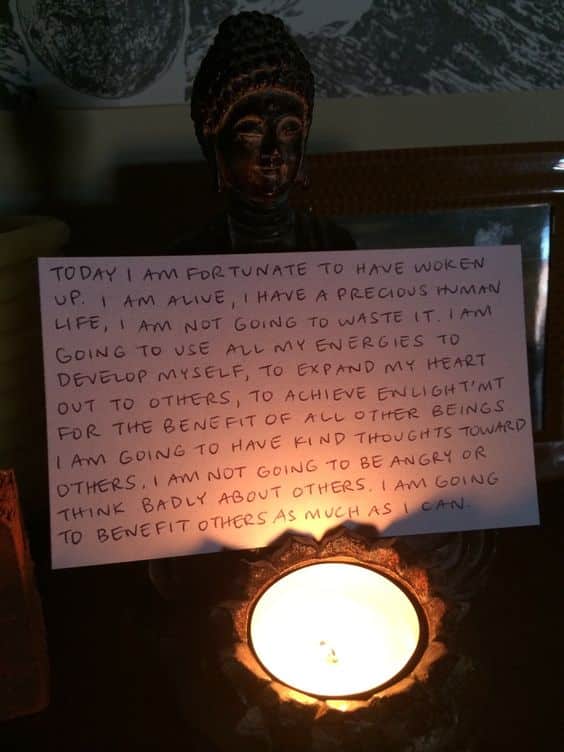

“Complete outer calmness is impossible. But when there are some calm periods, we should appreciate them and make them last longer. This is the time when useful thoughts appear; they become stronger and guide us in life.”
Leo Tolstoy, A Calendar of Wisdom (Page 307)



“If you come across any special trait of meanness or stupidity… you must be careful not to let it annoy or distress you, but to look upon it merely as an addition to your knowledge—a new fact to be considered in studying the character of humanity. Your attitude towards it will be that of the mineralogist who stumbles upon a very characteristic specimen of a mineral.”
Arthur Schopenhauer, via The Daily Laws (Page 368)
“Even the longest biography is only 66 hours on audio. This means that the author has to leave out almost everything. We write our own autobiography each day by deciding what to focus on, what to rehash, and what to worry about. The same life story can be told in many ways, and the way we tell it changes who we are and who we become. Who is editing your version?”
Seth Godin, Blog
“Life throws stuff at us. We have to figure out how to catch it and throw it back. That’s what Epictetus meant when he said we don’t control what happens, we control how we respond. But he also liked that throwing metaphor–and clearly was more than a casual fan of sports. Epictetus admired the way that skilled athletes caught the ball that was thrown to them and whipped the ball right back. They didn’t complain. They didn’t demand certain conditions be met before they dove for it. He admired their concentration, their coolness under pressure, their grace, their creativity.”
Ryan Holiday, Daily Stoic Blog