
Archives

“Your productivity is not the problem. Many of us have absorbed the message of productivity culture that says success requires a superhuman work ethic. When exhaustion and overwork are normalized, it’s easy to drive yourself into the ground and think it’s your fault you haven’t yet created the optimal morning routine or applied enough time hacks to tame your to-do list. But your productivity is not the problem; the problem is thinking you need to personally do every iota of work that lands on your plate.”
Aytekin Tank, Automate Your Busywork (Page 5)
“Turning repetitive tasks into automated digital processes frees your brain for the essential, creative work. And you don’t need to hire a team or spend money on expensive new products. Automation is accessible to anyone who wants to take advantage of it. With a little effort, anyone can automate.”
Aytekin Tank, Automate Your Busywork (Page 1)


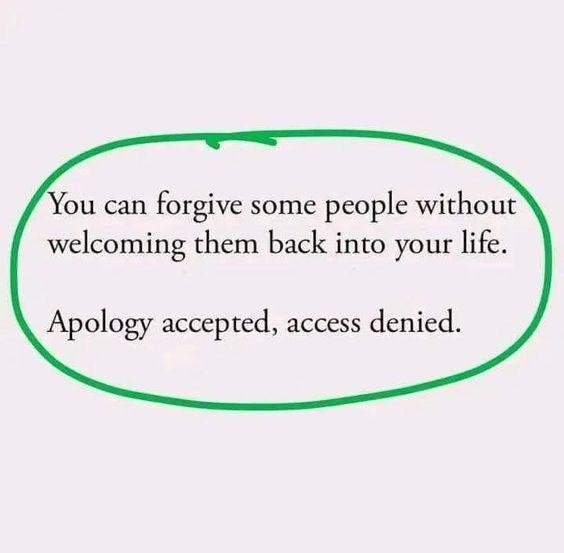
“Brains sabotage the most beautiful ideas. So, when you ask me: how can I do work I love—while also maybe traveling more and enjoying my life and learning the bagpipes and doing the kinds of creative projects I dream about? I’ll tell you what the first question is: Can you do what is necessary? Can you silence your brain long enough to actually attempt something great?“
Ash Ambirge

“There are three strands, present for most everyone: Power (sometimes seen as status, or the appearance of status); Safety (survival and peace of mind); Meaning (hope and the path forward). The changes in our media structure, public health and economy have pushed some people to overdo one or the other and perhaps ignore a third. When a social network finds your button and presses it over and over, it’s hard to resist. New cultural forces catch on because they hit on one or more of these. And politics is understood through this lens as well. See the braid and it’s a lot easier to figure out why we might be stressed.”
Seth Godin
“Time assets vs. Time debts. Time assets are choices that save you time in the future. Think: saying no to a meeting, automating a task, working on something that persists and compounds. Time debts are choices that must be repaid and cost you time in the future. Think: saying yes to a meeting, doing sloppy work that will need to be revised, etc. Time assets are an investment. Time debts are an expense.”
James Clear, Blog

“We can never watch the same show twice. We can never listen to the same song twice. We can never get the same piece of advice twice. Because our experiences, our tastes, our understanding of the world has changed. But, those second and third and fourth encounters–those re-introspectings–are actually where the real insights and breakthroughs can come from. That’s when we can really get it. That’s when we might really come to get ourselves in the process.”
Ryan Holiday
“Your picture-perfect postcard beach doesn’t move me. What I want is to come alive when I see you. I want to feel like I am seventeen again, and I am swinging on a rope swing under an old elm, and you are teasing me about my dress, and the light is hitting your hair, and you smile back at me like maybe I could be the one, and I manage to say something witty, and you laugh—and oh, your laugh is the closest I’ve ever been to god—and every good sense I have is lost in this moment, in this tiny razor-thin sliver of time, when you and I are human poetry, and dandelion cotton balls blow across the wind, and the sun starts to set, and we both look at one another and think things that neither of us will ever say, but will feel for the rest of our lives, every time we pass the park on Church Street, and remember how it felt, to be free. This is why you travel.”
Ash Ambirge